
Imagine waking up feeling like you’ve been hit by a truck. Your skin has darkened in strange patches, your blood pressure is dangerously low, and no amount of sleep fixes the exhaustion. For thousands of people, this isn’t just a bad week-it’s Addison’s disease, also known as primary adrenal insufficiency. It’s a rare but serious condition where your body stops making vital hormones.
If you or someone you love is dealing with fatigue that doesn’t make sense, this guide breaks down what’s happening inside your body, how doctors spot it, and exactly how steroid replacement therapy keeps you alive and well. We’ll skip the medical jargon and focus on what you need to know to manage daily life safely.
What Is Addison’s Disease?
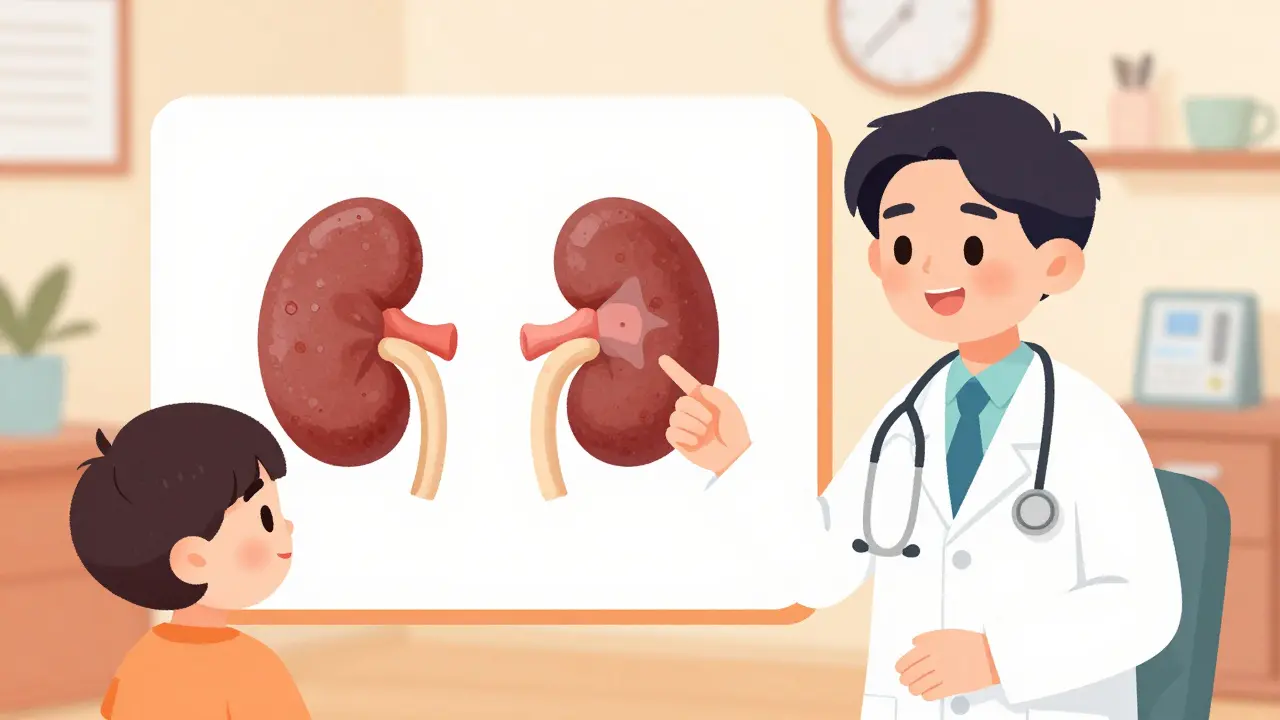
To understand Addison’s, you first need to look at your adrenal glands. These tiny, triangle-shaped organs sit right on top of your kidneys. They are your body’s emergency response team.
Normally, these glands pump out two critical hormones:
- Cortisol: Often called the "stress hormone," it helps control blood sugar, reduce inflammation, and keep your heart beating steadily during tough times.
- Aldosterone: This one manages salt and water balance. It tells your kidneys to hold onto sodium and get rid of potassium, which keeps your blood pressure stable.
In Addison’s disease, the outer layer of these glands (the cortex) gets damaged. In about 80-90% of cases in developed countries, your own immune system mistakenly attacks the adrenal tissue. Think of it like a friendly fire incident. Once 90% of the gland is destroyed, your body can’t make enough cortisol or aldosterone. Without them, your body literally cannot handle stress, illness, or even normal daily activities.
Spotting the Signs: Symptoms You Can’t Ignore
Addison’s disease is tricky because its early symptoms mimic other common issues like depression, chronic fatigue syndrome, or stomach bugs. Many patients wait years for a correct diagnosis. Here is what to look for:
The most distinct sign is hyperpigmentation. Because the pituitary gland screams at the adrenals to work harder (releasing ACTH), this excess hormone stimulates melanin production. You might notice darker skin folds, new freckles, or darkening of gums and scars. If you don’t have hyperpigmentation, you might have secondary adrenal insufficiency, which is different from Addison’s.
Other red flags include:
- Persistent fatigue that rest doesn’t fix
- Unexplained weight loss and loss of appetite
- Muscle weakness and joint pain
- Low blood pressure, especially when standing up (dizziness)
- Salt cravings (your body is desperate for sodium)
- Nausea, vomiting, or diarrhea
If you feel faint, confused, or have severe abdominal pain alongside these symptoms, seek emergency care immediately. This could be an adrenal crisis, a life-threatening drop in blood pressure and electrolyte imbalance.
How Doctors Diagnose Adrenal Insufficiency
You can’t guess your way out of Addison’s. Diagnosis requires specific blood tests. Your doctor will likely start with morning blood work to check your cortisol levels. A level below 5 mcg/dL in the morning is a strong warning sign.
However, the gold standard test is the ACTH stimulation test (also called the cosyntropin test).
- The doctor injects synthetic ACTH into your arm.
- Your healthy adrenals should respond by pumping out cortisol within 30 to 60 minutes.
- If your cortisol stays low (below 18 mcg/dL), your adrenals aren’t working. This confirms adrenal insufficiency.
To figure out if it’s primary (Addison’s) or secondary (pituitary issue), they check your electrolytes. Low sodium and high potassium point to primary Addison’s because aldosterone is missing. Secondary cases usually have normal electrolytes since aldosterone production remains intact.
They may also test for 21-hydroxylase antibodies. If these are present, it confirms an autoimmune cause. About half of Addison’s patients develop other autoimmune conditions, so your doctor will screen for thyroid disease, type 1 diabetes, and vitiligo too.
Steroid Replacement Therapy: The Lifeline
Since there is no cure for Addison’s, treatment focuses on replacing the missing hormones. This is a lifelong commitment, but it allows most people to live normal lives. You’ll typically take two types of medication:
| Hormone Type | Common Medication | Function | Typical Dosing |
|---|---|---|---|
| Glucocorticoid | Hydrocortisone (Cortef) | Replaces cortisol; manages stress and energy | 15-25 mg/day in divided doses |
| Mineralocorticoid | Fludrocortisone (Florinef) | Replaces aldosterone; controls salt/water balance | 50-300 mcg once daily |
Hydrocortisone mimics natural cortisol. Most people take it two or three times a day to match their body’s natural rhythm (higher in the morning, lower at night). Recently, modified-release versions like Chronocort have been approved, offering smoother coverage with fewer fluctuations.
Fludrocortisone handles the salt balance. You only need a tiny dose once a day. If you’re on fludrocortisone, you generally don’t need to restrict salt intake-in fact, you might need extra salt during hot weather or intense exercise.
Getting the dose right is a balancing act. Too little increases the risk of crisis; too much can lead to weight gain, osteoporosis, and heart problems. Regular check-ups with an endocrinologist are non-negotiable.
Mastering Sick Day Rules
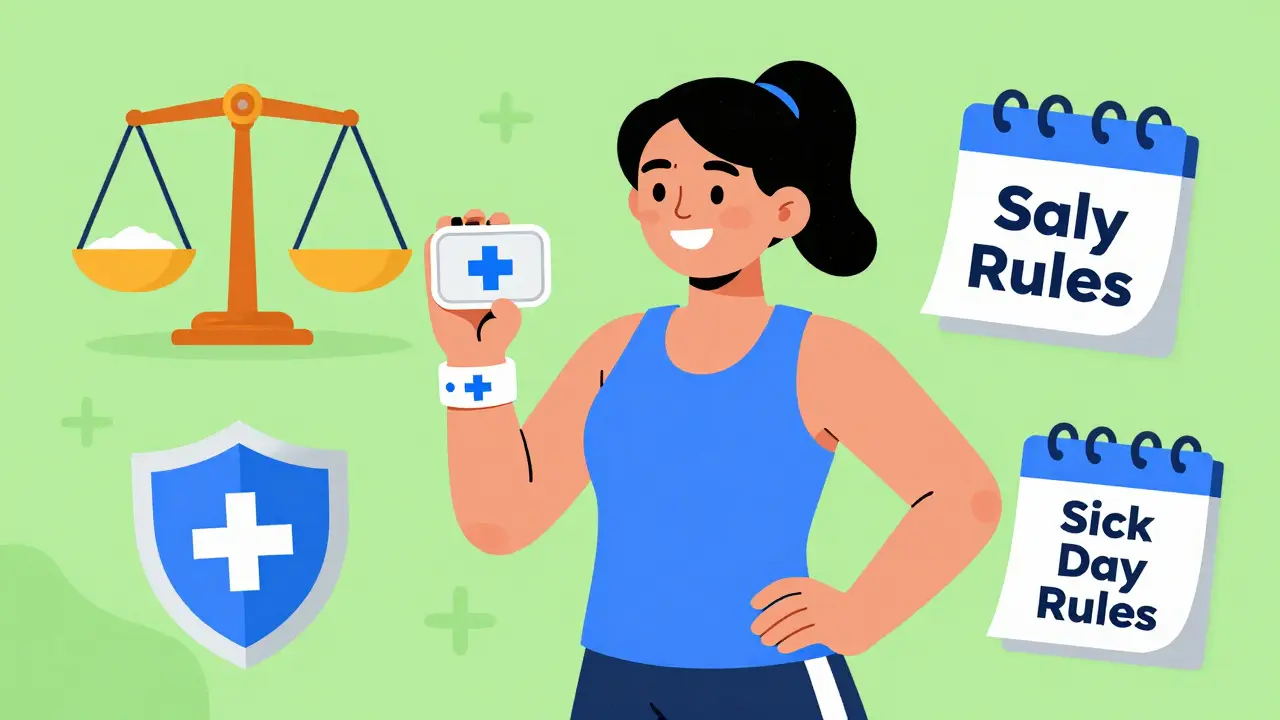
This is the most critical skill for managing Addison’s. When you’re sick, injured, or under stress, your body needs more cortisol than usual. Since your adrenals can’t provide it, you must increase your dose manually. This is known as "stress dosing" or "sick day rules."
- Minor Illness (Fever, Cold): Double or triple your oral hydrocortisone dose until you recover.
- Vomiting/Diarrhea: If you can’t keep pills down, you need an injection. Carry an emergency kit with injectable hydrocortisone (Solu-Cortef) at all times. Inject 100mg IM/IV and go to the ER.
- Dental Work/Surgery: Inform your dentist or surgeon. You’ll likely need IV steroids before the procedure.
Never stop taking your meds abruptly, even if you feel fine. And always wear a medical alert bracelet. In an emergency, paramedics need to know you have adrenal insufficiency before they treat you for low blood pressure.
Living Well with Addison’s
Life with Addison’s requires vigilance, but it doesn’t mean giving up your dreams. Many athletes, professionals, and parents thrive with proper management. The key is preparation.
Keep a log of your symptoms and doses. Track how your body reacts to different stresses. Join support groups like the Addison’s Disease Self Help Group (ADSHG) to share tips on finding knowledgeable doctors and navigating insurance costs. Remember, you are not alone-awareness is growing, and treatments are improving every year.
Is Addison’s disease fatal if untreated?
Yes. Without steroid replacement, an adrenal crisis can occur, leading to shock, coma, and death. However, with consistent medication and proper sick-day management, life expectancy is near normal.
Can I eat normally with Addison’s disease?
Most people can eat a balanced diet. Unlike some kidney diseases, you usually do not need to restrict salt. In fact, maintaining adequate sodium intake is crucial, especially in hot weather or during physical exertion.
What triggers an adrenal crisis?
Common triggers include infections (like flu or gastroenteritis), surgery, severe injury, dehydration, and stopping steroid medication suddenly. Stressful life events can also precipitate a crisis if doses aren't adjusted.
Do I need to see an endocrinologist regularly?
Yes. Regular monitoring of blood pressure, electrolytes, and hormone levels is essential to adjust doses correctly and prevent long-term side effects like bone density loss or cardiovascular issues.
Is Addison’s disease genetic?
While autoimmune Addison’s itself isn't directly inherited, having a family history of autoimmune disorders (like thyroid disease or type 1 diabetes) increases your risk. Rare forms caused by enzyme deficiencies are genetic.