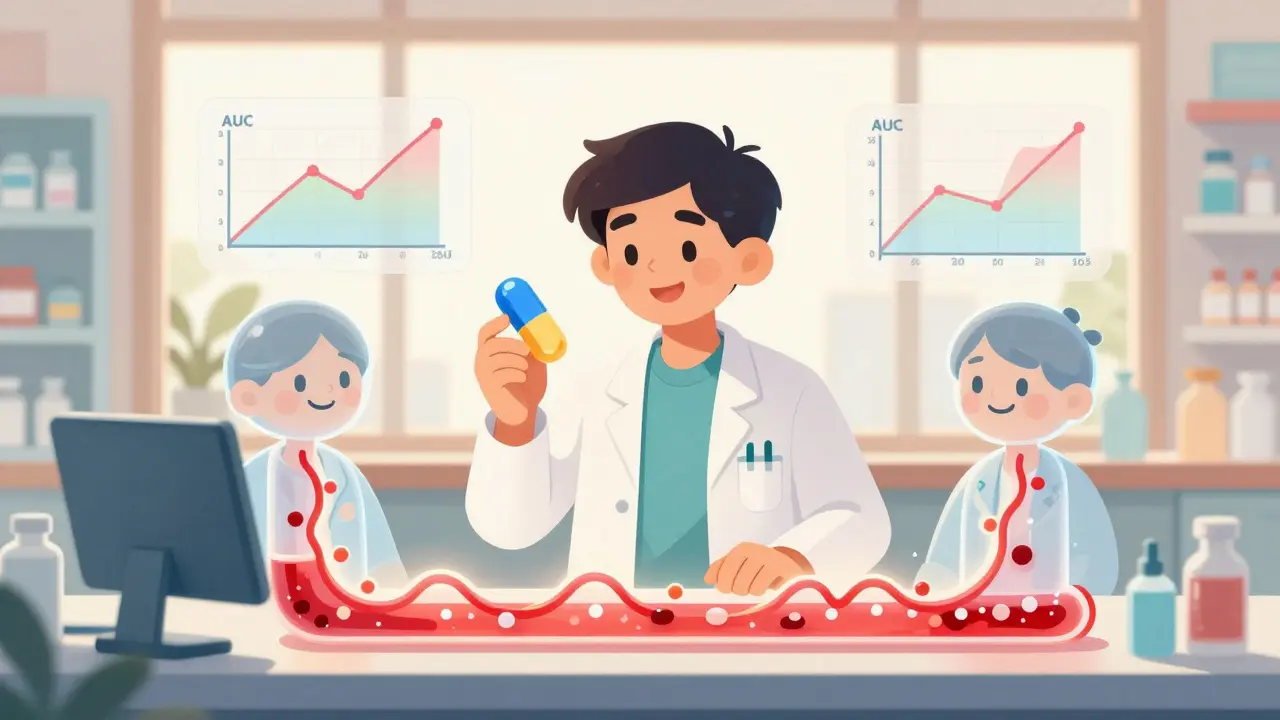
When you pick up a generic pill at the pharmacy, you expect it to work just like the brand-name version. But how does the FDA make sure that’s true? The answer lies in bioequivalence studies - the critical tests that generic drug makers must pass before their products hit the shelves.
Why Bioequivalence Matters
Generic drugs save patients and the healthcare system billions every year. In 2023, 90% of all prescriptions filled in the U.S. were for generics, yet they made up only 23% of total drug spending. That’s huge. But if a generic drug doesn’t deliver the same effect as the brand-name version, it’s not just a cost issue - it’s a safety risk. The FDA doesn’t just accept claims. It demands proof. That proof comes from bioequivalence studies, which compare how quickly and how much of the active drug enters the bloodstream from the generic version versus the original. This isn’t about looking the same or tasting the same. It’s about whether the body absorbs and uses the drug the same way.The Core Requirement: 80% to 125%
The FDA’s standard for bioequivalence is simple in theory but strict in practice. For most drugs, the 90% confidence interval of the ratio between the generic and brand-name drug’s key measurements - AUC (area under the curve) and Cmax (peak concentration) - must fall between 80% and 125%. This is known as the 80/125 rule. AUC tells you how much of the drug the body is exposed to over time. Cmax shows how fast it reaches its highest level in the blood. If both values for the generic drug stay within that range compared to the brand-name drug, the FDA considers them bioequivalent. This rule has been in place since 1992 and hasn’t changed because it works. Studies show that if two drugs meet this standard, they’re virtually identical in how they work in the body.How the Studies Are Done
These aren’t lab tests on petri dishes. They’re real human trials. The FDA requires in vivo studies - meaning they’re done inside living people. Typically, 24 to 36 healthy volunteers participate. They fast overnight, then take either the generic or brand-name drug. Blood samples are taken over several hours to track how the drug moves through their system. The study design has to be tight. Each volunteer takes both versions, but in random order, with a washout period in between. This is called a crossover design. It cuts down on individual differences - one person might naturally absorb drugs faster than another, but if they take both versions, the comparison is fair. Sometimes, the FDA also requires fed studies. If a drug is meant to be taken with food, the generic must prove it works just as well when swallowed after a meal. Some drugs, like certain antibiotics or cholesterol meds, behave very differently in a full stomach. Skipping this step means rejection.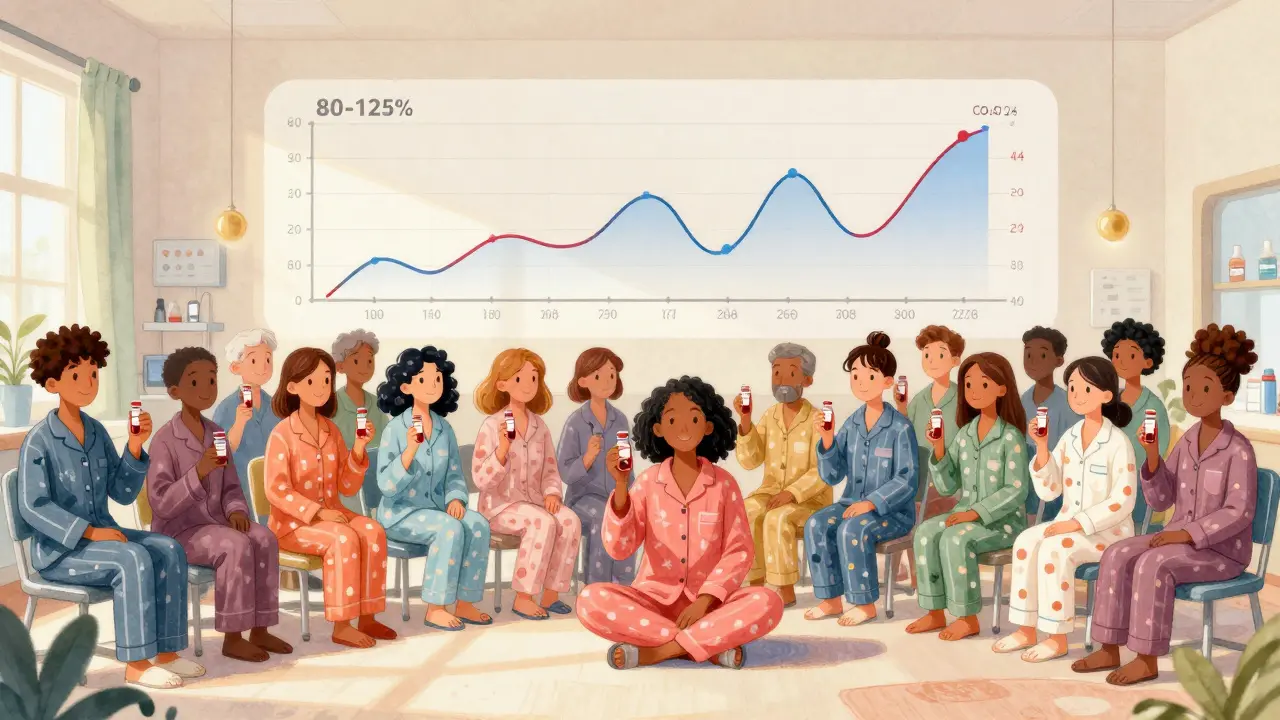
When Bioequivalence Studies Aren’t Needed
Not every generic drug needs a full human trial. The FDA allows biowaivers - shortcuts - for certain products where absorption is predictable and not affected by the body’s environment. For example, if a generic eye drop has the same active ingredient, concentration, and pH as the brand-name version, and it’s meant to work locally in the eye (not get absorbed into the bloodstream), the FDA may approve it without a bioequivalence study. The same goes for some topical creams and inhaled anesthetics. To qualify for a biowaiver, the generic must match the reference drug in three areas: Q1 (same active and inactive ingredients), Q2 (same dosage form and strength), and Q3 (same physicochemical properties like solubility and pH). There are over 1,200 product-specific guidances that spell out exactly which products qualify. Manufacturers who follow these rules can cut months off their approval timeline.Tougher Rules for High-Risk Drugs
Some drugs have such narrow safety margins that even tiny differences can cause harm. These are called narrow therapeutic index (NTID) drugs. Examples include warfarin (a blood thinner), levothyroxine (for thyroid disorders), and phenytoin (for seizures). For these, the 80/125 rule is too loose. The FDA tightened the acceptance range to 90% to 111% for NTIDs. That means the generic’s absorption must be almost identical to the brand-name version. One study showed that switching between different brands of levothyroxine caused measurable changes in thyroid hormone levels in patients - enough to trigger symptoms or require dose adjustments. The FDA also has special rules for highly variable drugs (HVDs), where even the same person’s absorption can swing widely from day to day. For these, the agency allows scaled average bioequivalence (SABE), which adjusts the acceptance range based on how variable the original drug is. This prevents good generics from being rejected just because the original drug itself is unpredictable.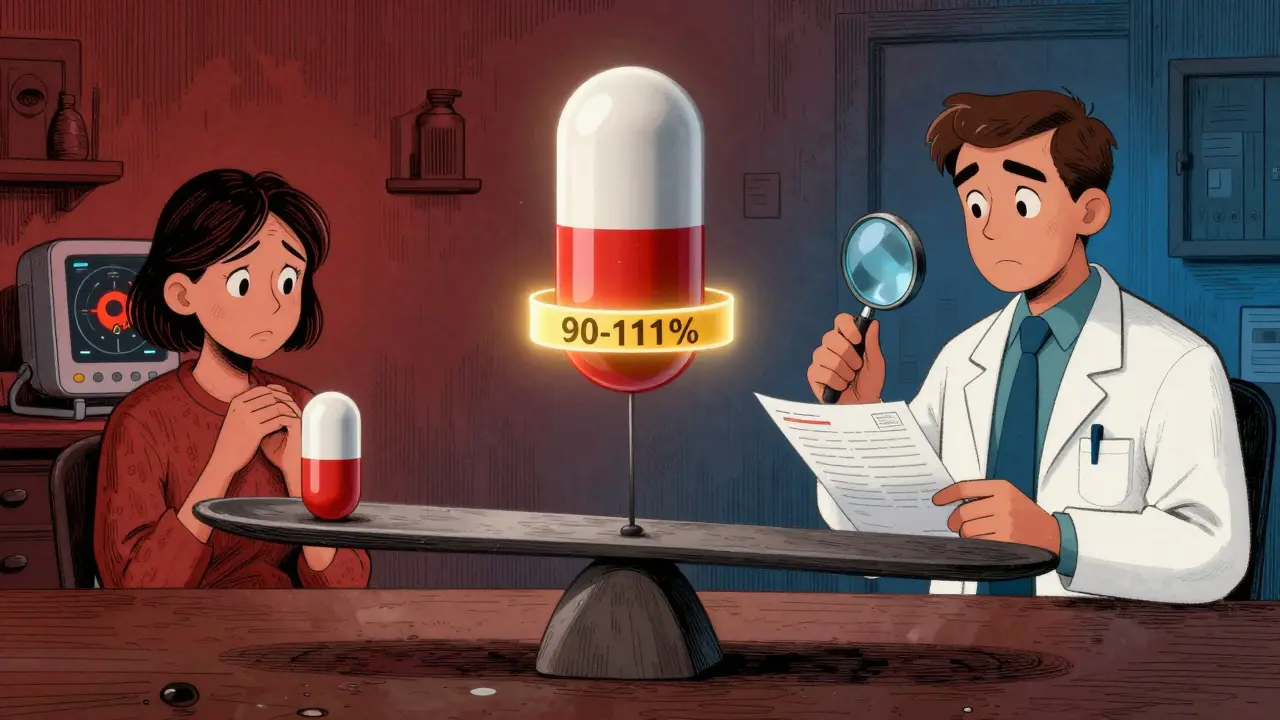
What Happens When Studies Fail
It’s not rare. In 2022, only 43% of ANDA applications passed on the first try. The most common reasons? Poor study design, too few participants, bad lab methods, or not following the product-specific guidance. A company might use a less sensitive assay to measure drug levels, or skip a fed condition study because they think it’s unnecessary. Or they might not properly document how samples were stored or handled - even small deviations can invalidate results. The FDA is strict about GLP (Good Laboratory Practice) rules. If the lab didn’t follow them, the whole study is thrown out. Companies that stick to the FDA’s product-specific guidances have a 68% first-time approval rate. Those that don’t? Only 29%. That’s a huge gap. Following the guidance isn’t optional - it’s the only way to avoid delays.Costs and Challenges for Manufacturers
Running a single bioequivalence study costs between $500,000 and $2 million. That’s a major barrier for smaller companies. The FDA’s Domestic Generic Drug Manufacturing Pilot Program tries to help by speeding up reviews for drugs made in the U.S. with U.S.-sourced active ingredients. But even with faster review times, the process still takes 14 to 18 months from submission to approval. And it’s getting harder. The FDA is now scrutinizing complex products like inhalers, topical creams, and drug-device combos more closely. In 2022, 78% of complete response letters for topical generics cited bioequivalence issues. These aren’t simple pills - they’re hard to replicate. The FDA is working on new tools like physiologically based pharmacokinetic (PBPK) modeling to help predict absorption without always needing human trials. But for now, most generics still rely on the old-school blood test method.The Bigger Picture
Bioequivalence studies are the backbone of the generic drug system. Without them, the savings wouldn’t be safe. The FDA’s approach balances speed and safety. It allows biowaivers where possible, tightens standards where risk is high, and uses science - not guesswork - to make decisions. The system isn’t perfect. Some experts argue the 80/125 rule is too broad. Others say the process is too slow. But the data speaks: millions of patients use generics every day without issue. The FDA’s requirements work because they’re grounded in real pharmacokinetic evidence, not assumptions. As new drug types emerge - like biosimilars and complex delivery systems - the FDA will keep updating its rules. But the core principle won’t change: if a drug is supposed to do the same thing, it must be proven to do the same thing. No shortcuts. No exceptions. Just science.What is the 80/125 rule in bioequivalence studies?
The 80/125 rule means that for a generic drug to be considered bioequivalent to the brand-name version, the 90% confidence interval of the ratio of its key pharmacokinetic values - AUC and Cmax - must fall between 80% and 125% of the brand-name drug’s values. This ensures the body absorbs and uses the generic drug at a rate and extent similar to the original.
Do all generic drugs need human bioequivalence studies?
No. Some products qualify for biowaivers, meaning they don’t need human trials. These include eye drops, ear drops, and topical solutions where the drug acts locally and isn’t absorbed into the bloodstream. The generic must match the brand in active ingredients, concentration, and physicochemical properties (Q1-Q2-Q3 criteria).
Why are bioequivalence studies more strict for drugs like warfarin?
Drugs like warfarin and levothyroxine have a narrow therapeutic index - meaning the difference between an effective dose and a harmful one is very small. Even minor differences in absorption can lead to dangerous side effects. So the FDA requires a tighter acceptance range of 90% to 111% instead of the standard 80% to 125%.
What happens if a bioequivalence study fails FDA review?
If the study doesn’t meet FDA standards, the application gets a complete response letter listing deficiencies. Common reasons include poor study design, insufficient sample size, inaccurate lab methods, or failure to follow product-specific guidances. The manufacturer must fix the issues and resubmit, which can add months or even years to the approval timeline.
How long does it take to get a generic drug approved after submitting bioequivalence data?
The entire ANDA approval process, including bioequivalence studies, typically takes 14 to 18 months from submission to approval. Studies themselves can take 6 to 12 months to design, run, and analyze. Companies that follow FDA product-specific guidances get approved about 3 months faster on average than those that don’t.
Ansley Mayson
February 2, 2026 AT 01:34The FDA’s 80/125 rule is a joke. If you’re letting generics slide with 20% variability in absorption, you’re gambling with lives. I’ve seen patients crash after switching brands. No wonder the system’s broken.
Dan Pearson
February 3, 2026 AT 05:58LMAO at the ‘bioequivalence’ myth. You think a pill made in China that looks like the real thing actually works the same? My cousin took a generic omeprazole and ended up in the ER. The FDA’s just protecting Big Pharma’s profits by pretending this stuff is safe.
Bob Hynes
February 3, 2026 AT 19:09Man I love how the FDA actually cares enough to test this stuff. Down here in Canada we’ve got generics flying off shelves but no one’s checking if they’re even close. You guys got standards. Respect. 🇺🇸
Eli Kiseop
February 4, 2026 AT 16:30so like… if the drug is absorbed differently but still within 80-125%… does that mean some people just get less effect? like… is that why sometimes generics feel weaker?
Ellie Norris
February 4, 2026 AT 17:22Just a quick note-did you know that for NTIDs like warfarin, some pharmacies still swap brands without telling patients? That’s a huge risk. Even if the FDA sets tighter limits, enforcement is patchy.
Marc Durocher
February 4, 2026 AT 22:06Let’s be real-the 80/125 rule isn’t science, it’s a compromise. The FDA knows it’s not perfect but it’s the least bad option. Still, I’ve seen people switch generics and get headaches, nausea, even seizures. It’s not just ‘some variability’-it’s human.
larry keenan
February 6, 2026 AT 06:50It is noteworthy that the implementation of scaled average bioequivalence for highly variable drugs represents a statistically sophisticated adaptation to inter-individual pharmacokinetic heterogeneity. The regulatory framework remains empirically grounded despite operational complexities.
Nick Flake
February 7, 2026 AT 07:33Science is the only thing keeping us from turning medicine into a crapshoot 🙏💊
Thank you FDA for not taking shortcuts. Even if it takes 18 months, at least we know the pill won’t kill us. 🇺🇸
Akhona Myeki
February 9, 2026 AT 03:09It is imperative to emphasize that the bioequivalence standards are not negotiable, nor are they subject to cultural relativism. The United States maintains the most rigorous pharmacokinetic protocols in the world. Any deviation constitutes a public health liability.
Chinmoy Kumar
February 9, 2026 AT 11:57cool that the FDA allows biowaivers for eye drops and stuff. makes sense if it’s not going into blood. but i wonder if people know that not all generics are tested the same way. maybe more education needed?