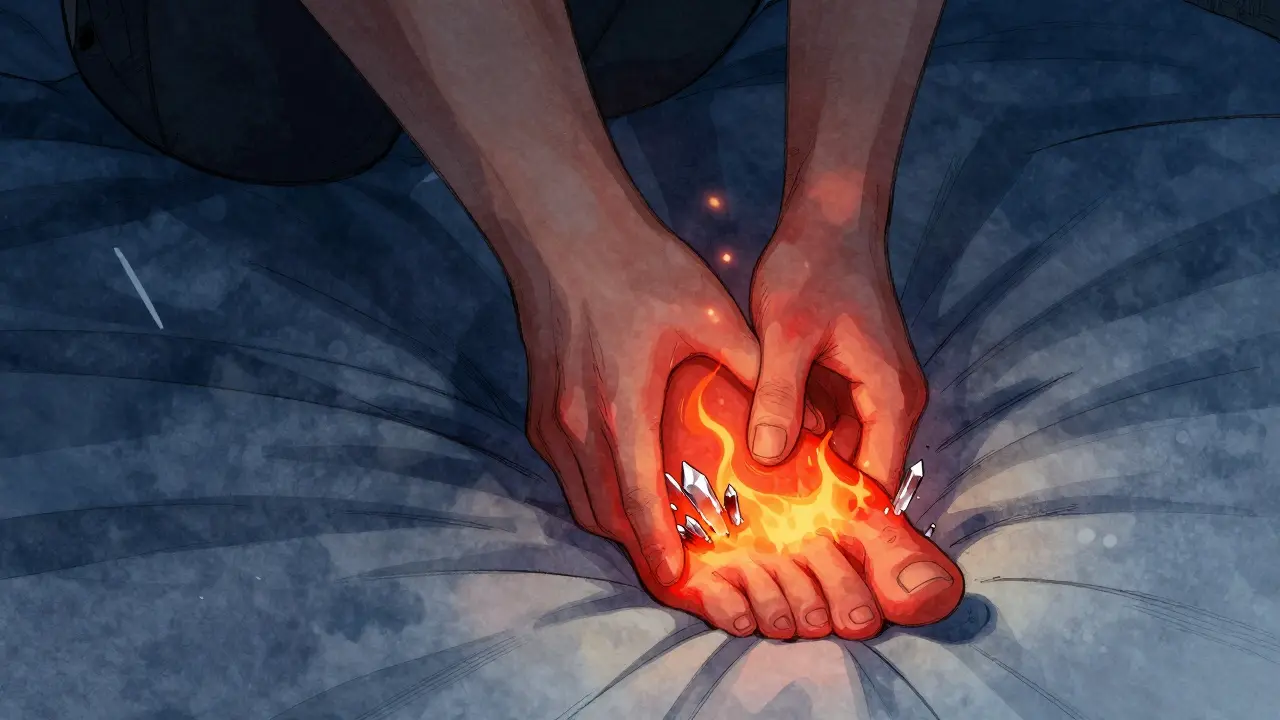
Waking up in the middle of the night with a toe that feels like it’s on fire is not just bad luck. It is a specific biological event known as a gout attack, which occurs when sharp, needle-like crystals of monosodium urate deposit in your joints, triggering intense inflammation. This condition affects millions of people worldwide, yet many still treat it as a simple dietary mistake rather than a chronic metabolic disorder. The pain is real, the swelling is visible, and without the right strategy, it will return. Understanding why this happens-and how to stop it permanently-requires looking beyond temporary pain relief to the root cause: your body’s relationship with uric acid.
The Science Behind the Pain: Why Crystals Form
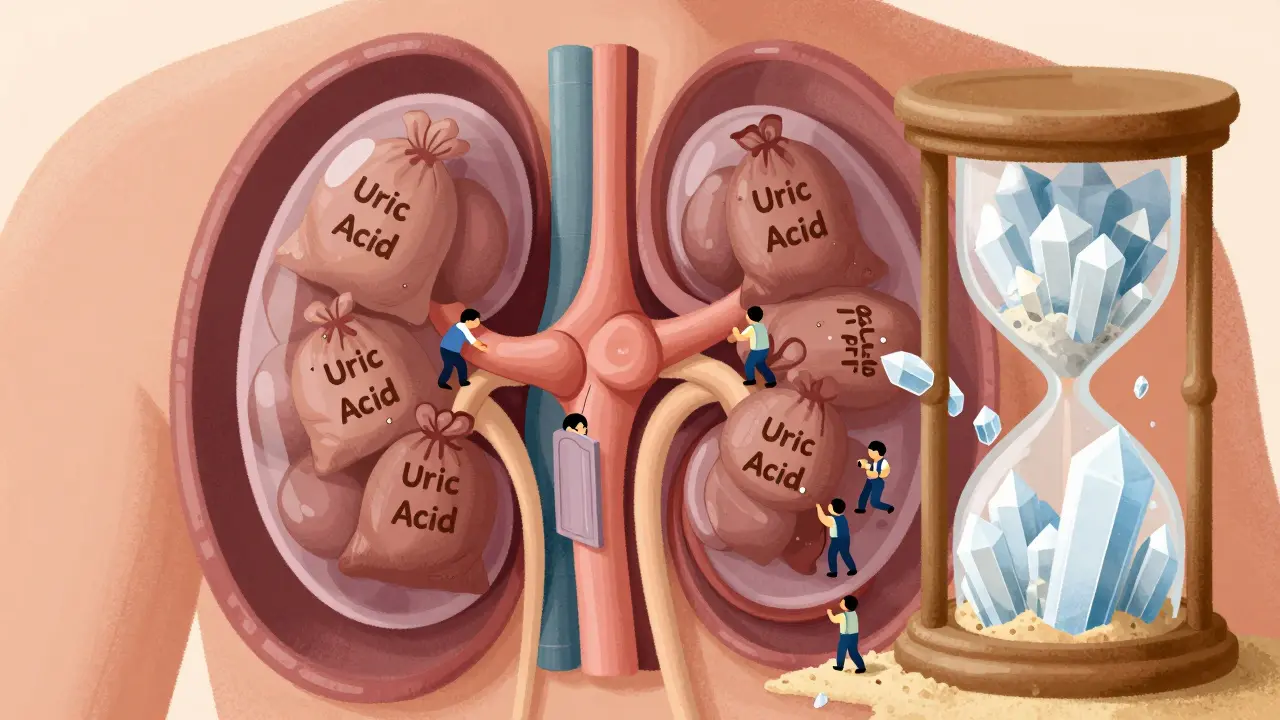
To understand gout, you first need to understand uric acid, which is a waste product created when your body breaks down purines, substances found naturally in your cells and in certain foods. In most mammals, an enzyme called uricase converts uric acid into allantoin, a substance that dissolves easily in water and exits the body through urine. Humans and great apes lost this enzyme during evolution. As a result, we rely entirely on our kidneys to filter uric acid from the blood. When your kidneys cannot keep up, or when you produce too much uric acid, the concentration in your blood rises. This state is called hyperuricemia.
There is a specific tipping point for this process. Research shows that at physiological pH and temperature, uric acid saturates human serum at approximately 6.8 mg/dL. Once your levels exceed this threshold, the excess uric acid precipitates out of the blood and forms monosodium urate (MSU) crystals, which are microscopic, sharp structures that settle in joints, cartilage, and surrounding tissues. These crystals do not just sit there quietly. Your immune system recognizes them as foreign invaders. Specifically, macrophages in your joint tissue activate a protein complex called the NLRP3 inflammasome. This triggers a cascade of inflammatory signals, releasing interleukin-1β, which causes the redness, heat, swelling, and excruciating pain associated with an acute flare. This is why gout is classified as inflammatory arthritis, not just a joint ache.
Who Gets Gout? Genetics vs. Lifestyle
A common misconception is that gout is solely caused by eating rich foods or drinking too much beer. While diet plays a role, it is rarely the only factor. Approximately 90% of gout cases stem from underexcretion of uric acid by the kidneys, meaning your body produces normal amounts but fails to eliminate them efficiently. Only about 10% of cases are due to overproduction of uric acid. Genetic factors contribute to roughly 60% of the variability in uric acid levels among individuals. Genes such as SLC2A9, SLC22A12, and ABCG2 control the transporters in your kidneys that handle uric acid reabsorption and secretion. If you have inherited variants that reduce excretion efficiency, you are predisposed to higher baseline levels regardless of what you eat.
This genetic reality explains why some people can drink heavily and eat organ meats without issue, while others develop gout after minor dietary indiscretions. However, genetics load the gun; lifestyle pulls the trigger. Secondary causes of impaired excretion include medications like thiazide diuretics (which increase risk by 30-50%) and low-dose aspirin. Chronic alcohol consumption, particularly beer, adds a dual burden: it contains high levels of purines and impairs kidney function simultaneously. Renal impairment itself is a major risk factor, as a glomerular filtration rate below 60 mL/min significantly reduces the body’s ability to clear uric acid.
Identifying and Avoiding Common Triggers
If you are prone to gout, identifying triggers is essential for prevention. A gout attack often begins with a rapid change in uric acid concentration or physical disruption of existing crystal deposits. Here are the most potent triggers backed by clinical data:
- Purine-Rich Foods: Organ meats (liver, kidney) contain 300-500 mg of purines per 3-ounce serving. Red meat and certain seafoods like shellfish and anchovies are also high-risk. Consuming these regularly keeps uric acid production elevated.
- Alcohol: Beer is the worst offender, containing 5-10 grams of purines per liter. Dr. Hyon Choi’s research at Harvard demonstrated that daily consumption of a 12-ounce beer increases gout risk by 49%, compared to only 15% for spirits. Wine appears to have a neutral or slightly protective effect in moderation.
- Fructose-Sweetened Beverages: Sugary sodas and fruit juices high in fructose increase uric acid production by 20-30%. Fructose metabolism depletes ATP (adenosine triphosphate), leading to increased breakdown of purines into uric acid.
- Dehydration: Urine output below 1.5 liters per day concentrates uric acid in the blood. Maintaining hydration above 2 liters of water daily helps kidneys flush out excess urate.
- Rapid Uric Acid Fluctuations: Starting or stopping medication abruptly can cause crystals to mobilize. Even lowering uric acid too quickly can trigger a flare because dissolving crystals release particles that irritate the joint lining.
Interestingly, dairy consumption has been shown to reduce gout risk by 43% per daily serving. Low-fat milk and yogurt contain proteins like casein and lactalbumin, which may enhance uric acid excretion. Incorporating these into your diet is a simple, evidence-based preventive measure.
Treating Acute Attacks: Stopping the Fire
When a flare strikes, the goal is immediate inflammation control. You cannot dissolve crystals overnight, so you must suppress the immune response. The American College of Rheumatology (ACR) guidelines recommend three primary options for acute management, ideally started within 24 hours of symptom onset:
- NSAIDs (Nonsteroidal Anti-Inflammatory Drugs): Indomethacin 50 mg three times daily for 3-5 days is a standard protocol. Ibuprofen or naproxen can be effective if taken at high anti-inflammatory doses, provided you do not have kidney disease or stomach ulcers.
- Colchicine: This ancient alkaloid works by inhibiting microtubule polymerization, preventing white blood cells from migrating to the inflamed joint. The modern dose is 0.6 mg twice daily for the first day, then once or twice daily for subsequent days. High doses often cause diarrhea, so sticking to the lower regimen improves tolerability.
- Corticosteroids: For patients who cannot take NSAIDs or colchicine, prednisone 30-40 mg daily for 5 days with a taper is highly effective. Intra-articular steroid injections are also an option for single-joint flares.
It is crucial to note that starting urate-lowering therapy (like allopurinol) during an acute attack does not worsen the flare if you are already taking it. However, initiating new urate-lowering drugs during a flare is generally discouraged unless accompanied by prophylactic anti-inflammatory coverage, as shifting uric acid levels can prolong inflammation.
Long-Term Management: Urate-Lowering Therapy (ULT)
Treating acute attacks is firefighting; long-term management is building a fireproof house. The cornerstone of this approach is urate-lowering therapy (ULT), which aims to reduce serum uric acid levels below the saturation point to prevent crystal formation and dissolve existing deposits. The target level is less than 6 mg/dL. For patients with severe gout, including those with tophi (visible lumps of crystals under the skin), the target is often lower, around 5 mg/dL.
The first-line medication for ULT is allopurinol, which is a xanthine oxidase inhibitor that blocks the enzyme responsible for producing uric acid. Treatment typically starts at 100 mg daily and is titrated upward by 100 mg every month until the target uric acid level is reached. Doses can go as high as 800 mg daily, though most patients respond well between 300-600 mg. Allopurinol achieves target levels in 40-60% of patients. For those who cannot tolerate allopurinol, febuxostat, which is a non-purine selective xanthine oxidase inhibitor, serves as an alternative, usually dosed at 40-80 mg daily. Another option is probenecid, a uricosuric agent that helps kidneys excrete more uric acid, but it is only effective if kidney function is normal (GFR >50 mL/min).

The Critical Role of Prophylaxis
One of the biggest mistakes patients make is stopping their medication when they feel better or continuing it without protection during the initial months of treatment. When you start ULT, your uric acid levels drop. This causes existing crystals in your joints to begin dissolving. As they break apart, they shed small fragments that trigger the immune system, leading to flares. Studies show that 30-40% of patients experience flares in the first six months of starting ULT.
To prevent this, guidelines mandate prophylactic anti-inflammatory therapy for at least the first six months. Low-dose colchicine (0.6 mg once or twice daily) reduces flare frequency by 50-75% compared to placebo, as proven in the CONFIRMS trial. Alternatively, low-dose NSAIDs or corticosteroids can be used. This prophylaxis allows you to stay on your urate-lowering medication continuously. Consistency is key. Discontinuing allopurinol causes serum uric acid to rebound to pre-treatment levels within 2-4 weeks, inviting another attack. Gout is a chronic condition requiring lifelong management, not a cure.
| Medication Type | Primary Use | Mechanism of Action | Key Considerations |
|---|---|---|---|
| NSAIDs (e.g., Indomethacin) | Acute Attack | Inhibits prostaglandin synthesis to reduce inflammation | Avoid in kidney disease or GI ulcers |
| Colchicine | Acute Attack & Prophylaxis | Inhibits neutrophil migration and inflammasome activation | Low dose preferred to avoid diarrhea |
| Allopurinol | Long-Term Prevention | Blocks xanthine oxidase to reduce uric acid production | Start low, go slow; monitor for hypersensitivity |
| Febuxostat | Long-Term Prevention | Non-purine xanthine oxidase inhibitor | Alternative for allopurinol intolerance; cardiac monitoring advised |
| Probenecid | Long-Term Prevention | Increases renal excretion of uric acid | Requires good kidney function (GFR >50) |
Monitoring and Adjusting Your Plan
Effective gout management requires regular monitoring. You should check your serum uric acid levels every 2-5 weeks during the initial titration phase of allopurinol or febuxostat. Once you reach the target level (<6 mg/dL), testing can shift to every 6 months. This data-driven approach ensures you are taking the minimum effective dose. Do not guess. If your levels remain above 6.8 mg/dL, crystals will continue to form, and tophi may grow. Achieving and maintaining levels below 5 mg/dL for 12 months leads to complete resolution of tophi in 70% of patients with chronic tophaceous gout, according to recent ACR meeting data.
Be aware of potential side effects. Allopurinol hypersensitivity syndrome occurs in 0.1-0.4% of patients and can be severe. Symptoms include rash, fever, and liver/kidney dysfunction. If you experience a rash, seek medical attention immediately. Colchicine toxicity, primarily diarrhea, affects 10-20% of patients at standard acute doses, reinforcing the need for lower prophylactic doses.
Future Directions in Gout Care
Research is evolving rapidly. Phase III trials of NLRP3 inhibitors, such as dapansutrile, show promise in reducing flare duration by 40% by directly targeting the inflammatory pathway rather than just masking symptoms. Additionally, studies on gut microbiome modulation suggest that certain probiotics may reduce serum uric acid by 10-15% through enhanced purine breakdown. While these are not yet standard treatments, they highlight a shift toward more personalized, mechanism-specific therapies. For now, the combination of strict uric acid control, appropriate prophylaxis, and lifestyle adjustments remains the gold standard for reclaiming your life from gout.
How long does a typical gout attack last?
An untreated gout attack typically lasts between 3 to 10 days. With prompt treatment using NSAIDs, colchicine, or steroids, symptoms often improve within 24 to 48 hours. However, residual stiffness may persist for a few days longer. Early intervention is critical to minimizing pain and duration.
Can I eat bananas if I have gout?
Yes, bananas are safe and beneficial for gout sufferers. They are low in purines and rich in potassium, which may help the kidneys excrete uric acid more effectively. Unlike high-fructose fruits, bananas do not significantly spike uric acid levels and can be part of a healthy, gout-friendly diet.
Why does my doctor want me to take colchicine even when I don't have pain?
This is called prophylaxis. When you start urate-lowering therapy like allopurinol, dissolving crystals can trigger new flares. Taking low-dose colchicine daily for the first 6 months prevents these "mobilization flares," allowing you to stay on your long-term medication without interruption. Skipping this step often leads to treatment failure.
Is coffee good or bad for gout?
Coffee appears to be protective against gout. Regular consumption of both caffeinated and decaffeinated coffee is associated with lower serum uric acid levels. Compounds in coffee may inhibit xanthine oxidase or improve insulin sensitivity, indirectly aiding uric acid excretion. Most experts consider moderate coffee intake safe and potentially beneficial.
What is the difference between gout and pseudogout?
Gout is caused by monosodium urate crystals, while pseudogout is caused by calcium pyrophosphate dihydrate (CPPD) crystals. Both cause sudden joint pain and swelling, but gout commonly affects the big toe, whereas pseudogout often targets the knee or wrist. Diagnosis requires fluid analysis from the joint, as treatments differ slightly, though both respond to anti-inflammatories.
Gareth Tyler
May 30, 2026 AT 09:43hey guys just started taking allopurinol yesterday and my toe is already throbbing so i guess the crystals are dissolving fast lol thanks for the info on prophylaxis
Anthony Padilla
June 1, 2026 AT 00:22bro you gotta take that colchicine with it or you gonna suffer man i learned that the hard way when i skipped the prophy meds and ended up in bed for three days straight dont do it trust me
Ryan Jones
June 1, 2026 AT 16:55its all a scam really they want you to buy pills forever because then who makes money from the cures? i bet the big pharma companies are hiding the real cure which is probably just drinking distilled water at specific times of the moon cycle but nobody talks about that because its too simple for their greedy little minds to handle
Lisa Russo
June 2, 2026 AT 02:48actually you are wrong because the science says otherwise and you should read more books before posting nonsense like this
Jonhnnie john13
June 3, 2026 AT 22:25the correlation between fructose consumption and hyperuricemia is statistically significant yet often ignored by laypeople who prefer simplistic dietary narratives over biochemical reality. the metabolic pathway involving ATP depletion is well documented in peer reviewed literature.
Elizabeth Fandry
June 5, 2026 AT 04:40One must consider the existential burden of chronic pain 🧠✨ It is not merely a biological malfunction but a profound commentary on the fragility of the human vessel. The crystals are metaphors for our unprocessed traumas manifesting physically 💎🩸 We must embrace the dissolution process as a form of spiritual purification rather than mere medical intervention 🙏🌿
Sharon O’Mahonh
June 7, 2026 AT 03:07i totally get where you are coming from regarding the emotional toll it takes on your mental state and how the inflammation can feel like an external attack on your sense of self worth which is why integrating mindfulness practices alongside the pharmacological interventions can create a holistic synergy that empowers the individual to reclaim agency over their bodily autonomy and foster a deeper connection with their inner healer while navigating the complex landscape of chronic illness management strategies
Madeline Petes
June 8, 2026 AT 01:18wait so if i drink beer every day i am basically asking for trouble right? i mean i love my brews but my doctor said my uric acid was high last month and i thought it was just stress but maybe it is the alcohol? i need to know because i have a wedding to go to next week and i dont want my toe exploding in front of everyone please help me figure this out
Ramanath Rao
June 9, 2026 AT 15:09You are foolish to ignore the warnings! In India, we understand that discipline is key to health. You consume poison and expect wellness? The liver cannot process the toxins from beer and purines simultaneously. Stop making excuses and follow the protocol strictly or suffer the consequences of your own negligence!
irine sabrina
June 11, 2026 AT 14:37I understand your concern completely and it is very important to prioritize your health during special occasions. Please consult with your healthcare provider immediately to discuss safe alternatives for the wedding day as hydration and avoiding triggers can significantly reduce the risk of a flare up allowing you to enjoy the celebration without discomfort