Pediatric Excipient Safety Checker
Disclaimer: This tool is for educational purposes only and does not replace professional medical advice. Always consult a pediatrician or pharmacist regarding specific medications.
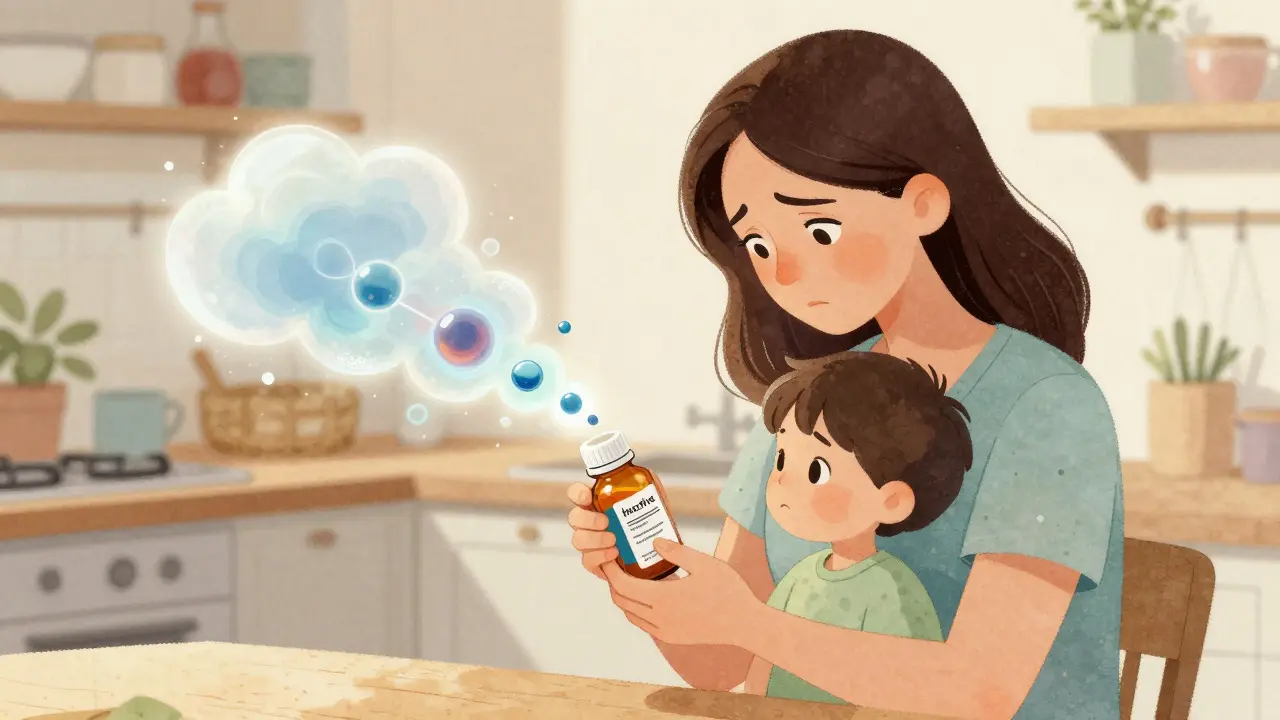
When you hand your child a spoonful of cough syrup or apply a cream to their rash, you’re thinking about the active ingredient. You want the fever down or the itch gone. But what if the vehicle carrying that medicine is just as dangerous as the illness itself? For decades, we’ve treated excipients-the inactive ingredients like alcohols, sweeteners, and preservatives-as harmless fillers. In adults, they usually are. In children, especially neonates and infants, this assumption can be deadly.
The reality is stark: a 2015 study published in the Journal of Pediatric and Neonatal Individualized Medicine found that systemic exposure to these "inert" substances is common in neonates. With immature liver and kidney functions, young bodies process chemicals differently than adults. What looks like a safe dose on a label might overwhelm a child’s metabolic pathways, leading to seizures, organ failure, or worse. This article breaks down the specific risks associated with three major culprits: alcohol-based solvents, sugar alcohols like sorbitol, and benzyl alcohol.
The Silent Threat of Propylene Glycol and Ethanol
Alcohol isn’t just something you drink; it’s a common solvent in liquid medications. Propylene glycol is particularly prevalent because it helps dissolve drugs that don’t mix well with water. It’s found in high concentrations in critical care medications like esmolol (25%), lorazepam (80%), and phenobarbital (40-70%). While effective for delivery, propylene glycol is metabolized into lactate and pyruvate. In healthy adults, the body handles this easily. In infants, whose metabolic systems are still developing, it can accumulate rapidly.
A 2020 review in Contemporary Pediatrics highlighted severe consequences of this accumulation. High levels of propylene glycol can cause central nervous system depression, seizures, cardiac arrhythmias, and acute kidney injury. The risk spikes when multiple medications containing propylene glycol are given simultaneously-a common scenario in hospital settings for critically ill children. Continuous infusions pose the greatest danger, as the drug builds up faster than the kidneys can clear it.
Ethanol, another common alcohol excipient, presents similar challenges. Neonates have underdeveloped alcohol dehydrogenase enzymes, meaning they break down ethanol much slower than older children or adults. Even small amounts in oral suspensions can lead to stupor, respiratory depression, and hypoglycemic seizures. If your child has renal impairment or known metabolic issues, ask your pharmacist specifically about alcohol content in every prescription.
Sorbitol and Sugar Alcohols: More Than Just Sweetness
We often associate Sorbitol with sugar-free gum or diabetic-friendly snacks. In pediatric medicine, it serves as a sweetener and solvent. While generally recognized as safe in food, its impact on young digestive systems is different. Sorbitol is poorly absorbed in the small intestine, which draws water into the gut via osmosis. In large doses, this causes osmotic diarrhea.
For an infant, diarrhea isn’t just uncomfortable; it’s a rapid path to dehydration and electrolyte imbalance. A 2021 review noted that while lactose intolerance gets most of the attention, reactions to other sugar alcohols and sweeteners can trigger severe abdominal pain, bloating, and even systemic symptoms like eczema or joint pain in sensitive children. Prolonged reactions can lead to metabolic acidosis, a serious condition where the body’s fluids become too acidic.
Furthermore, some studies suggest potential long-term risks. While direct evidence linking sorbitol to cancer in children is limited, related compounds like saccharin have raised dermatological concerns. The key takeaway is dosage and frequency. Occasional use is likely fine, but daily administration of sorbitol-containing syrups over weeks can stress a young child’s gastrointestinal tract. Look for alternatives like sucrose or glucose polymers if your child experiences persistent loose stools after starting a new medication.
Benzyl Alcohol: The Historical Hazard
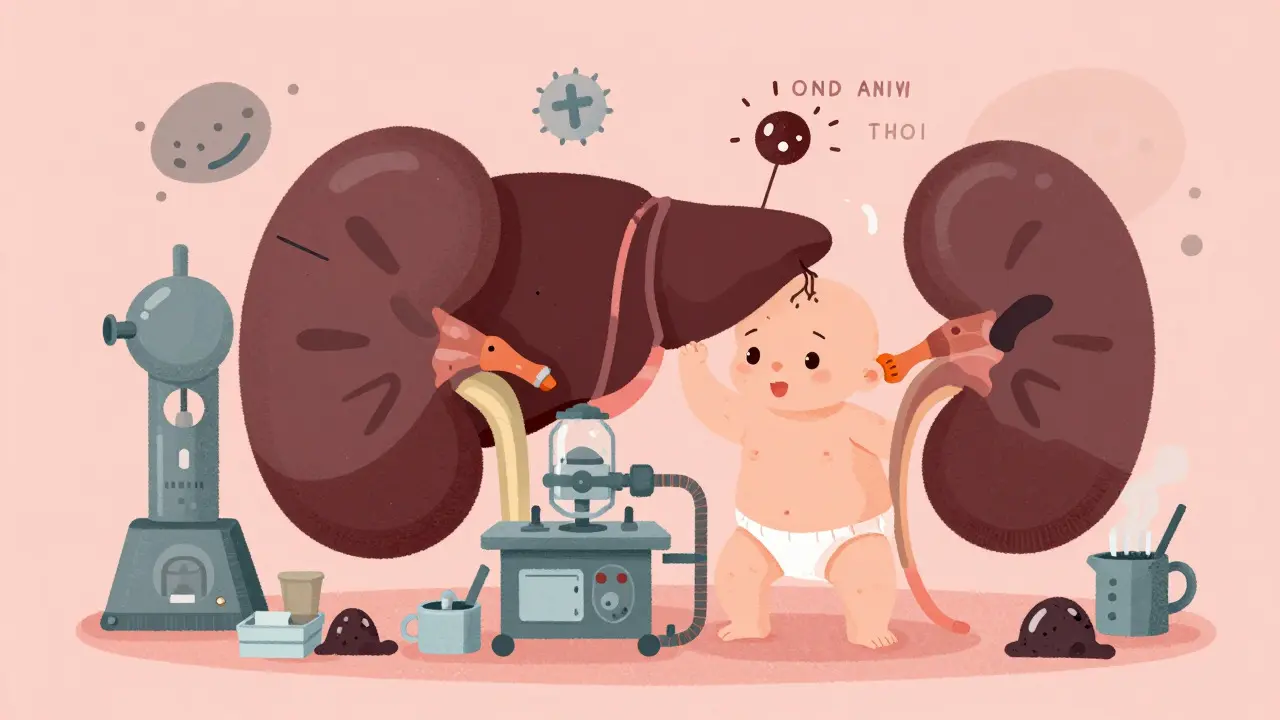
If there is one excipient that changed how regulators view pediatric safety, it is Benzyl alcohol. In the 1980s, a tragic series of events linked benzyl alcohol to "Gasping Syndrome" in premature infants. Babies born weighing less than 1,200 grams who received intravenous fluids preserved with benzyl alcohol developed metabolic acidosis, renal failure, and respiratory collapse. Many died.
Although intravenous use has been largely restricted, benzyl alcohol remains in topical products and oral solutions. The Pediatric Pharmacy Association's 2025 KIDs List explicitly warns against certain ester local anesthetics and products containing benzyl derivatives in very young children. For instance, topical benzocaine should be avoided in children under two years old due to the risk of methemoglobinemia, a condition where the blood’s ability to carry oxygen is severely reduced.
Beyond benzyl alcohol, chemically related preservatives like Benzalkonium chloride (BAC) are common in eye drops and nasal sprays. Research indicates BAC can damage nasal epithelia and cause ocular inflammation. If you’re using eye drops for a toddler, check the label. Preservative-free single-dose vials are often safer for frequent use, avoiding the cumulative toxicity of these chemical preservatives.
Why Children Are Uniquely Vulnerable
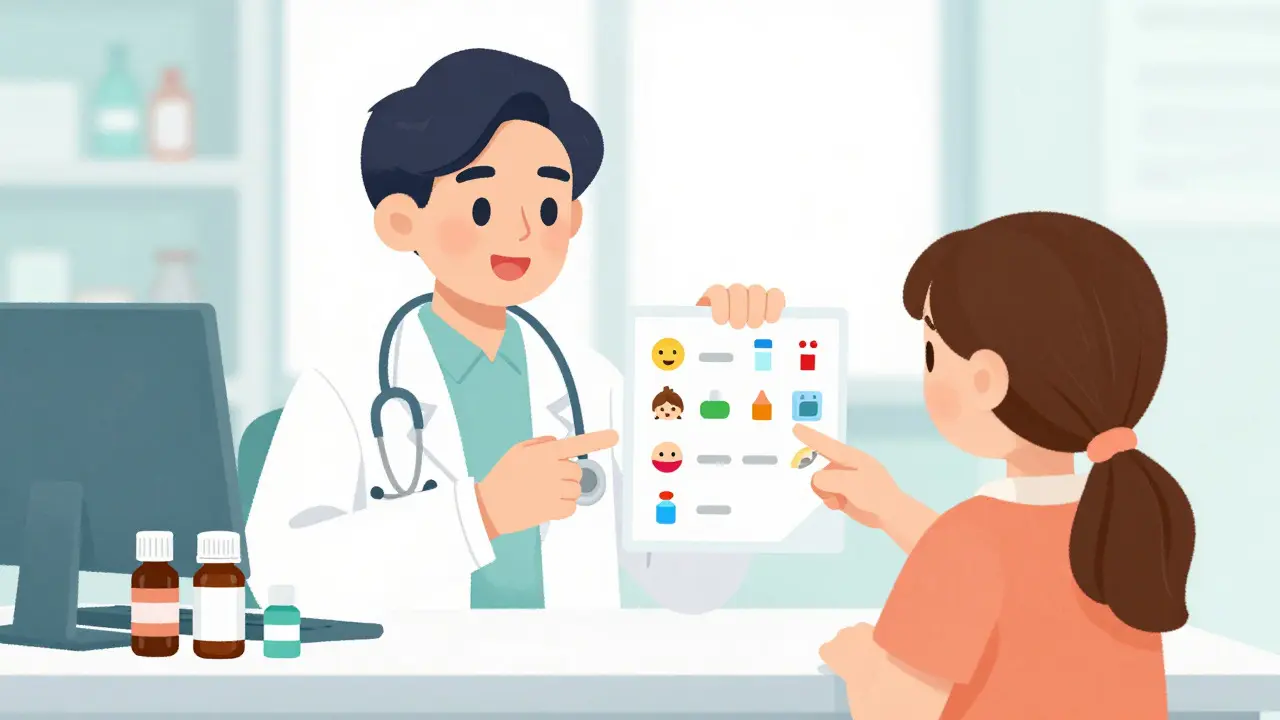
To understand why these side effects happen, you have to look at physiology. Dr. Sarah K. Hampton, a pediatric pharmacologist, notes that the ontogeny (development) of organ systems directly influences adverse events. Here is the breakdown:
- Immature Metabolism: Liver enzymes responsible for breaking down toxins are not fully active at birth. They mature over months or even years.
- Reduced Renal Clearance: Kidneys filter waste slowly in infants. Excipients that would be excreted quickly in an adult stay in a baby’s system longer.
- Higher Body Surface Area: Topical creams absorb more readily through infant skin, increasing systemic exposure to preservatives like parabens or benzyl alcohol.
- Low Body Weight: A standard dose of a medication contains a fixed amount of excipient. For a 3kg infant, that amount is massive compared to a 70kg adult.
This physiological reality means that "adult formulations divided in half" is a dangerous practice. Dr. Michael Cohen of the Institute for Safe Medication Practices testified that off-label use of adult drugs exposes children to excipient levels that would never be intentionally dosed. This is why regulatory bodies like the FDA and EMA have pushed for pediatric-specific research, yet gaps remain.
| Excipient | Common Use | Primary Risk in Children | Vulnerable Group |
|---|---|---|---|
| Propylene Glycol | Solvent in IV/oral meds | CNS depression, seizures, kidney injury | Neonates, ICU patients |
| Ethanol | Solvent/preservative | Hypoglycemia, respiratory depression | Infants <6 months |
| Sorbitol | Sweetener/solvent | Osmotic diarrhea, dehydration | All ages, esp. low weight |
| Benzyl Alcohol | Preservative | Metabolic acidosis, gasping syndrome | Preterm infants <1.2kg |
| Benzalkonium Chloride | Preservative in drops | Ocular/nasal tissue damage | Frequent users |
Navigating Safety: What Parents and Clinicians Can Do
You don’t need to stop giving your child medicine, but you do need to be informed. The landscape is improving. The European Paediatric Formulation Initiative (EuPFI) created the STEP database to track excipient safety, and the FDA has increased incentives for pediatric drug development. However, vigilance is still required.
Here are practical steps to minimize risk:
- Read the Inactive Ingredients: Don’t just look at the front label. Check the package insert or ask the pharmacist for the full list of inactive ingredients.
- Avoid Duplication: If your child is taking multiple medications, ensure they aren’t all loaded with the same excipient (e.g., two syrups both high in propylene glycol).
- Request Alternatives: If a child is having gastrointestinal distress from a sorbitol-based syrup, ask if a tablet or granule form exists. Sometimes compounding pharmacies can create custom formulations without harmful additives.
- Monitor for Symptoms: Watch for signs of toxicity. Unusual sleepiness, difficulty breathing, persistent diarrhea, or skin rashes after starting a new med warrant immediate medical attention.
- Use Age-Appropriate Forms: Never crush adult tablets or split capsules unless directed by a specialist. The excipient load in a single adult pill may exceed the safe limit for a child.
Regulatory changes are coming. The European Commission’s 2023 proposal requires comprehensive excipient safety dossiers for all age groups, aiming for implementation by 2026. Until then, the burden falls partly on caregivers. By understanding that "inactive" doesn't mean "harmless," you protect your child from hidden dangers lurking in plain sight.
Is propylene glycol safe for toddlers?
In small, occasional doses, propylene glycol is generally considered safe for toddlers. However, because it is metabolized slowly, continuous use or high doses (common in hospital settings or multiple concurrent medications) can lead to toxicity. Signs include lethargy and breathing difficulties. Always inform your doctor if your child is on multiple medications containing propylene glycol.
What are the signs of benzyl alcohol toxicity in infants?
Symptoms of benzyl alcohol toxicity, historically known as Gasping Syndrome, include rapid breathing followed by pauses (gasping), metabolic acidosis, low platelet counts, and kidney dysfunction. It is most dangerous in preterm infants weighing less than 1,200 grams. Modern IV fluids rarely contain benzyl alcohol, but it may still appear in topical creams or oral liquids.
Can sorbitol cause long-term damage in children?
Sorbitol primarily causes acute gastrointestinal issues like diarrhea and bloating. While rare, chronic excessive intake could potentially contribute to metabolic imbalances or nutritional deficiencies due to malabsorption. It is not typically associated with long-term organ damage, but persistent digestive issues should be evaluated by a pediatrician to rule out underlying intolerances.
How can I find excipient-free medications?
Truly "excipient-free" medications are rare because drugs need carriers. Instead, look for "preservative-free" options, such as single-dose vials for eye drops or injections. For oral meds, ask your pharmacist for formulations using simpler bases like sucrose or glucose. Compounding pharmacies can also customize medications to exclude specific allergens or irritants like propylene glycol or benzyl alcohol.
Are natural herbal remedies safer regarding excipients?
Not necessarily. Herbal supplements and natural remedies often use the same excipients-glycerin, alcohol, or sorbitol-to preserve shelf life and improve taste. Additionally, they are less strictly regulated than pharmaceutical drugs, meaning labeling accuracy can vary. Always check the "Other Ingredients" section on any supplement bottle before giving it to a child.