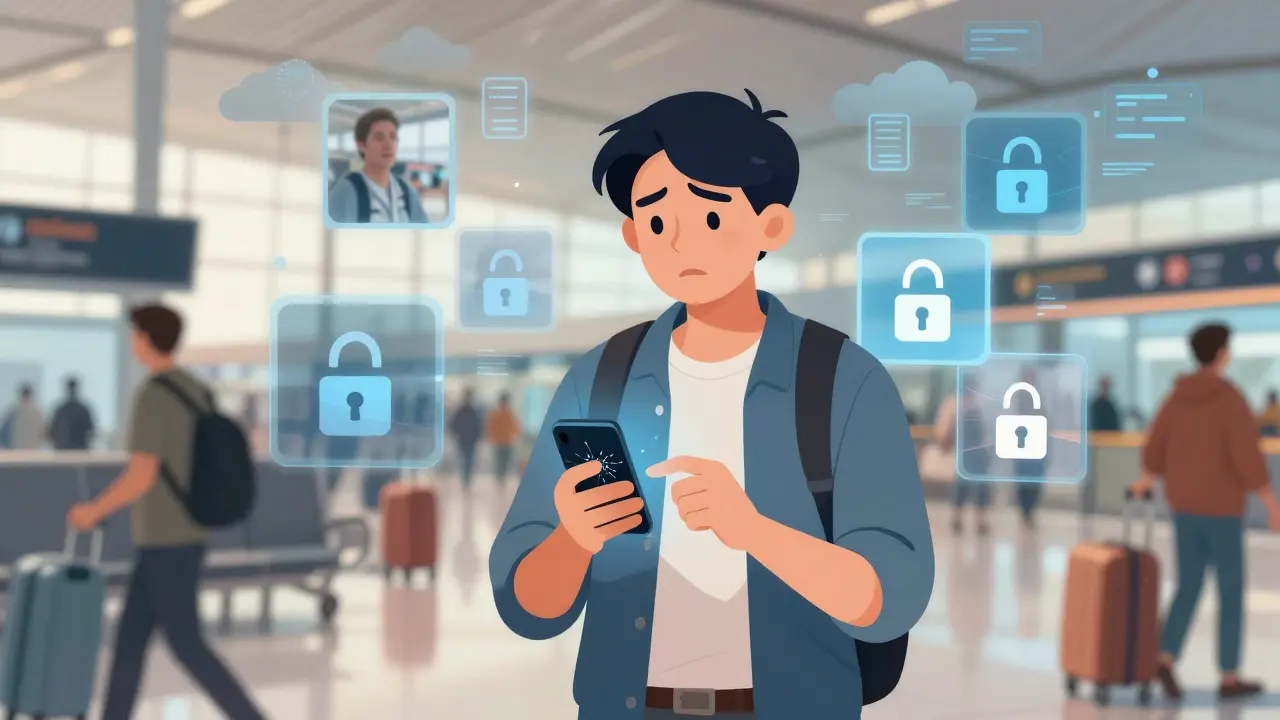
Imagine you are halfway through a trip, your luggage is delayed, and the pharmacy in your hotel’s lobby can’t find your refill. You pull out your phone to show them the prescription, but the image is blurry, or worse, your phone was stolen yesterday. This isn’t just an inconvenience; it’s a medical risk. Carrying backup prescriptions is a critical safety practice for travelers that ensures continuous access to essential medications while protecting sensitive personal health information from theft or misuse. Yet, most people do this wrong. They snap a quick photo, save it to their camera roll, and hope for the best.
The reality is harsh: consumer-grade storage methods lack the encryption standards required for sensitive health data. According to research by the Agency for Healthcare Research and Quality, nearly 70% of patients using non-integrated apps experienced medication discrepancies during care transitions. That means your backup might be outdated, incorrect, or easily accessible to someone who shouldn’t see it. So, how do you bridge the gap between having immediate access to your meds and keeping your private health data locked down? Let’s break down the safest, most practical ways to handle this.
Why Physical Copies Are Still Necessary (But Risky)
You might think technology solves everything, but when it comes to traveling with controlled substances or specialized medications, paper still has weight. Customs agents, border patrol officers, and remote clinics often require physical proof of a doctor’s order. However, carrying loose papers is dangerous. Dr. Jane Smith of the University of California, San Francisco, found that 23% of patients carrying physical copies experienced security incidents, including theft.
If you must carry a physical copy, treat it like cash or a passport. Do not leave it lying on a hotel desk. Here is how to do it safely:
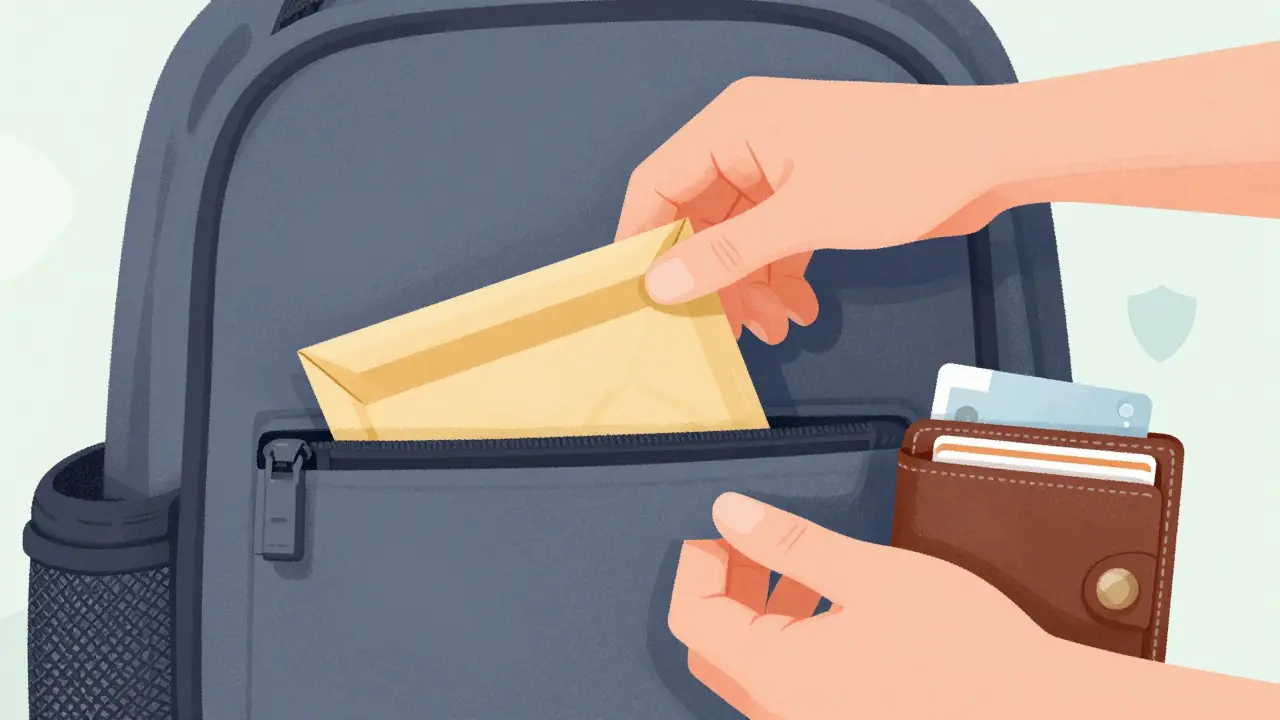
- Use a sealed envelope: Ask your pharmacist to print the prescription on official letterhead and seal it in a tamper-evident envelope. This proves the document hasn’t been altered.
- Keep it separate from your wallet: If your wallet is stolen, thieves get your ID and credit cards. If they also have your prescription, they have everything they need to impersonate you or sell your meds. Keep the prescription in a different pocket or bag.
- Limit what you carry: Only carry enough for your trip plus a few extra days. Don’t bring a year’s supply in your hand luggage unless absolutely necessary, as large quantities can raise suspicion at customs.
The goal here is balance. You need the paper for legal verification, but you need to minimize its exposure. Once you’ve secured the physical copy, let’s look at the digital side, where most people make costly mistakes.
The Problem with Standard Smartphone Photos
Most of us grab our phones, take a picture of the bottle or the script, and save it to our gallery. This feels convenient, but it’s a security nightmare. Standard photo storage on smartphones does not use end-to-end encryption for the images themselves in a way that prevents unauthorized access if the device is compromised. Furthermore, cloud backups (like iCloud or Google Photos) may sync these images to servers where they could potentially be accessed if your account credentials are leaked.
A study published in the Journal of Medical Internet Research revealed that only 3% of reviewed medication apps provided proper encryption for stored prescription images. Most users rely on basic password protection, which is easily bypassed. If your phone is lost, anyone who guesses your PIN can see your medical history, dosages, and doctor’s notes. This is why simply taking a photo is not a secure strategy.
Secure Digital Storage Solutions
To store digital copies securely, you need tools designed for sensitive data. Here are the three most effective methods, ranked by security level:
- Pharmacy Portal Apps (Highest Security): Major chains like CVS Health and Walgreens now offer encrypted prescription image storage within their mobile apps. CVS introduced this feature in early 2023, serving millions of users. These systems are HIPAA-compliant, meaning they meet strict federal security standards. Your data is encrypted both in transit and at rest. Always log out after use, and enable two-factor authentication (2FA) on your account.
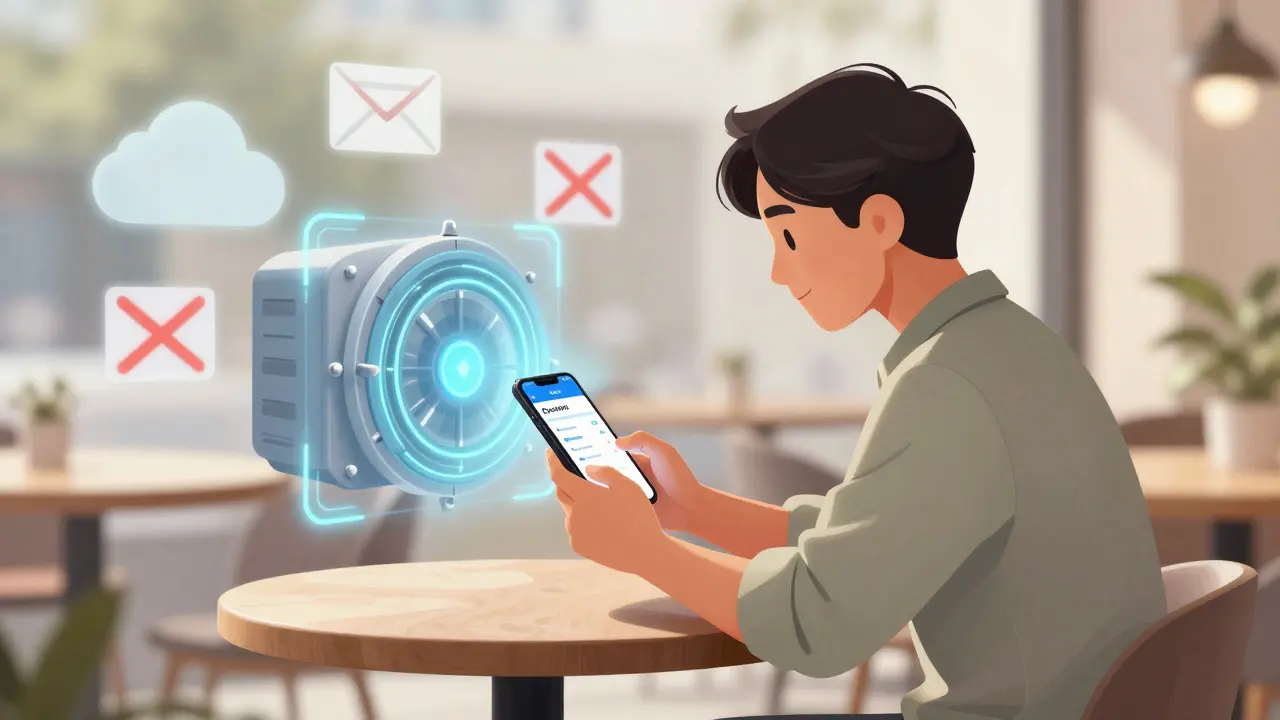
- Dedicated Password Managers: Apps like 1Password or Bitwarden allow you to store documents securely. Unlike your phone’s gallery, these files are encrypted before they ever leave your device. You can upload a clear scan of your prescription into a note or attachment field within the manager. Access requires your master password and biometric verification (fingerprint or face ID).
- Encrypted Cloud Folders: If you don’t use a password manager, use a dedicated encrypted folder service like Tresorit or Sync.com. These services offer zero-knowledge encryption, meaning even the company hosting your files cannot read them. Avoid standard Dropbox or Google Drive folders for this purpose unless you manually encrypt the file first.
Never send prescription photos via email or text message (SMS/iMessage). These channels are not secure, and screenshots can be taken by recipients without your knowledge. If you must share a copy with a travel companion, delete the message immediately after they confirm receipt.
Essential Information to Include in Your Backup
A blurry photo of a pill bottle is useless. To ensure your backup is actionable, it must contain specific details. When creating your digital or physical copy, verify it includes:
- Patient Name and Date of Birth: For identity verification.
- Prescribing Physician’s Name and Contact Info: In case the pharmacy needs to call for clarification.
- Medication Name (Brand and Generic): Especially important when traveling internationally, as brand names vary by country.
- Dosage and Frequency: Clear instructions on how much to take and when.
- NDC Number: The National Drug Code on the bottle helps pharmacists identify the exact formulation.
- Refill Status: How many refills remain?
Missing any of these can lead to delays. A pharmacist in a foreign country won’t have your medical history. They rely entirely on the clarity of your documentation. Take a moment to review your backup against this checklist before you pack.
Travel-Specific Risks and Mitigations
Traveling introduces unique vulnerabilities. Airport security scanners, hotel safes, and public Wi-Fi networks all pose risks. Here is how to navigate them:
Airport Security: Never put your medications in checked luggage. TSA guidelines recommend carrying them in your carry-on. If you have liquid medications, declare them at the checkpoint. Keep your backup prescription in the same bag, easily accessible. If your bag gets searched, you can quickly produce the documentation without digging through layers of clothing.
Public Wi-Fi: Avoid accessing your pharmacy portal or uploading new prescription scans over unsecured public Wi-Fi. Hackers can intercept data transmitted over open networks. Use your cellular data plan instead, or wait until you are connected to a trusted network. If you must use public Wi-Fi, use a reputable Virtual Private Network (VPN) to encrypt your connection.
International Travel: Laws regarding controlled substances vary wildly. In some countries, carrying certain antidepressants or ADHD medications without explicit prior approval can lead to arrest. Check the destination country’s embassy website for specific medication restrictions. Carry your prescription in the original language if possible, or provide a certified translation. The World Health Organization recommends carrying a letter from your doctor explaining the medical necessity of the medication.
Keeping Your Records Updated
A common pitfall is relying on an outdated backup. If your doctor changes your dosage or switches medications, your old digital copy becomes a liability. Using an incorrect dose based on stale information can cause serious health issues. The University of Michigan’s Medication Safety Program found that 38% of patient-managed security failures were due to outdated information.
To stay current, set a reminder to update your backups whenever you refill your prescription. Many pharmacy apps notify you when a refill is processed. Use this trigger to verify that your stored copy matches the new bottle. Delete old versions immediately to avoid confusion. Consistency is key. If you have multiple copies (physical and digital), ensure they are identical.
What to Do If Your Prescription Is Stolen
Despite your best efforts, theft can happen. If your physical prescription or phone containing digital copies is stolen, act quickly:
- Report the Loss: File a police report immediately. This creates a paper trail and may be required by insurance companies.
- Contact Your Pharmacist: Inform them of the theft. They can flag your account to prevent unauthorized refills and help you obtain emergency replacements.
- Notify Your Doctor: They may need to issue a new prescription or provide documentation to authorities.
- Change Passwords: If your phone was stolen, change passwords for your pharmacy portal, email, and any health apps associated with your account. Enable 2FA if it wasn’t already active.
Don’t panic, but do act fast. The sooner you mitigate the risk, the less likely someone will misuse your information. Having a plan in place reduces stress and ensures you can get back on track with your treatment.
Is it safe to take a photo of my prescription and save it to my phone?
It is not considered safe to save prescription photos directly to your standard photo gallery. These images are not encrypted and can be accessed if your phone is lost or stolen. Instead, use a pharmacy portal app, a password manager, or an encrypted cloud storage service to keep your digital copies secure.
Do I need a physical copy of my prescription when traveling?
Yes, especially when traveling internationally or carrying controlled substances. Customs officials and remote pharmacies often require physical proof. Keep the copy in a sealed envelope, separate from your wallet, to minimize the risk of theft or misuse.
Which pharmacy apps offer secure prescription storage?
Major chains like CVS Health and Walgreens offer encrypted prescription image storage within their mobile apps. These systems are HIPAA-compliant and provide a higher level of security than personal photo storage. Always enable two-factor authentication for added protection.
What should I do if my prescription is stolen while traveling?
File a police report, contact your pharmacist to flag your account, and notify your doctor. Change passwords for any related accounts immediately. Acting quickly helps prevent unauthorized refills and ensures you can obtain emergency replacements.
How often should I update my backup prescription copies?
Update your backups every time you refill your prescription or if your doctor changes your dosage. Outdated information is a major security risk and can lead to medication errors. Delete old versions to avoid confusion.