
After leaving the hospital, managing your medications correctly is crucial. Did you know that medication reconciliation is a process that catches 30-70% of medication discrepancies during hospital transitions? These errors cause nearly 20% of readmissions. But with a simple step-by-step approach, you can stay safe. This guide shows exactly how to coordinate your meds after discharge-no medical jargon, just clear actions you can take today.
What is Medication Reconciliation?
Medication reconciliation is a standardized process where healthcare providers compare your current home medications with those prescribed during your hospital stay. It’s not just about listing pills; it’s about ensuring every medication makes sense for your current health. For example, if you were on blood pressure medication before the hospital but stopped it during treatment, reconciliation checks if you need to restart it. The Centers for Medicare & Medicaid Services (CMS) calls this NQF 0097 a quality measure for medication safety during care transitions, and it’s required for hospitals receiving federal funding. Without this step, you might take too much of a drug, miss a critical dose, or take something that clashes with new treatments.
Step 1: Get Your Discharge Medication List Before Leaving
Don’t wait until you get home. Before discharge, ask your doctor or nurse for a written list of all medications you’re going home with. This list should include:
- Drug names (brand and generic)
- Dosage (e.g., "25 mg tablet")
- Frequency (e.g., "once daily")
- Reason for taking it
- Changes from your home meds (e.g., "stopped warfarin, started rivaroxaban")
Verify this list against your pre-hospital medications. If something looks off-like a new medication you don’t recognize-ask why it was added. For instance, if you were prescribed a new heart medication but never had heart issues, double-check. Hospitals like Mayo Clinic use standardized discharge checklists that reduce errors by 40%, so insist on getting this written record.
Step 2: Bring All Your Medications to Your Follow-Up Appointment
Don’t just rely on memory. Take every pill, liquid, inhaler, or cream you’re currently taking to your first post-discharge appointment. This includes over-the-counter drugs like ibuprofen, vitamins, and herbal supplements. Pharmacists call this "brown bagging," and it’s the best way to catch mistakes. For example, a patient once brought 12 bottles to their appointment-only to discover they were taking two blood thinners simultaneously, which could cause dangerous bleeding. Your doctor will compare your physical meds with the discharge list. If they don’t match, ask for clarification immediately.
Step 3: Talk to Your Doctor About Each Medication
Don’t assume your doctor knows everything. Go through each medication on your list and ask: "Why am I taking this?" and "Is this new or different from before?" For example, if you were on insulin before the hospital but your discharge list shows a lower dose, ask if this is permanent. The American Society of Health-System Pharmacists (ASHP) MATCH Toolkit emphasizes that specialists often focus only on their area of care, missing how new meds interact with your overall health. A 2023 study showed patients who asked these questions reduced medication errors by 35%. Write down answers in a notebook so you can reference them later.

Step 4: Consult Your Pharmacist for Verification
Pharmacists are medication experts trained specifically to catch discrepancies. Bring your discharge list and all physical medications to your pharmacist. They’ll check for:
- Duplicate prescriptions (e.g., two different doctors prescribing the same drug)
- Drug interactions (e.g., blood thinners mixing with herbal supplements)
- Correct dosing for your health condition
Research shows pharmacist-led reconciliation cuts medication errors by 32.7%. For instance, a patient discharged with heart medication might not realize their new prescription clashes with a cholesterol drug they’ve taken for years. Your pharmacist can flag this and contact your doctor. Many pharmacies now offer free discharge follow-ups-ask if yours does. In Halifax, Nova Scotia, community pharmacies like Shoppers Drug Mart have dedicated discharge counseling programs that reduce readmissions by 25%.
Step 5: Use a Medication Tracker App
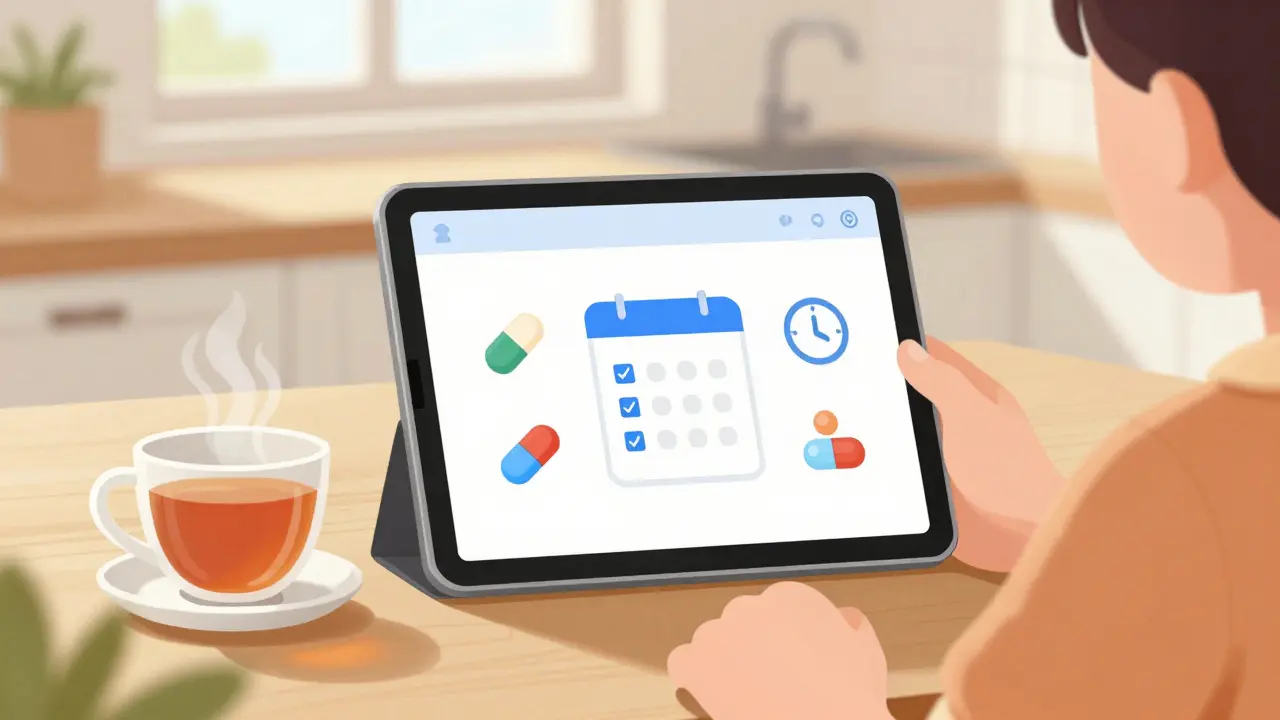
Apps like Medisafe or MyMedSchedule let you log doses, set reminders, and share your medication list with caregivers. These tools sync with your pharmacy’s records and alert you if doses are missed. For example, if you’re supposed to take a pill at 8 a.m. but forget, the app sends a push notification. More importantly, it creates a digital record your doctor can review. A 2024 study found patients using medication apps had 50% fewer missed doses and 30% fewer emergency visits. Set up your app before leaving the hospital. Enter all discharge medications, including exact times and instructions. Share the app with a family member so they can help monitor.
Step 6: Coordinate Between Specialists and Your Primary Care Doctor
It’s common for multiple doctors to manage your care after discharge. If you saw a cardiologist in the hospital but your primary care doctor handles your general health, ensure both have the same medication plan. Ask your discharge coordinator to send a summary to your primary doctor. If they don’t, follow up yourself. For example, if the cardiologist prescribed a new blood thinner but your primary doctor didn’t update your records, you might accidentally double-dose. The CPT code 99495 a billing code for transitions of care services exists for this purpose-it covers a dedicated visit where providers discuss your full medication plan. Don’t assume specialists communicate automatically; you’re the best advocate for your own care.
Common Mistakes to Avoid
Here’s what goes wrong-and how to fix it:
- Not checking for changes: Many patients assume their meds stay the same. Always verify. For example, if you were on aspirin daily before the hospital but the discharge list says "aspirin discontinued," ask why. Maybe it was stopped temporarily for surgery but needs restarting.
- Skipping pharmacist review: Doctors focus on diagnosis; pharmacists focus on drugs. Skipping this step misses 41% of discrepancies, according to PipelineRx data.
- Ignoring over-the-counter meds: Taking herbal supplements like St. John’s Wort with prescription drugs can cause dangerous interactions. Always list them during reconciliation.
Why Pharmacists Make the Difference
Pharmacists aren’t just pill dispensers-they’re medication safety experts. In hospitals like Johns Hopkins, pharmacists embedded in discharge teams reduce errors by 37%. They have specialized training in drug interactions, dosing, and adherence. For example, a pharmacist might notice a new medication conflicts with a chronic condition you forgot to mention. They also know how to access your full prescription history through systems like EHR electronic health records that track prescriptions across providers. If your hospital doesn’t have a pharmacist on the discharge team, ask for a referral to a community pharmacist for a post-discharge consult. In Canada, pharmacists can legally adjust prescriptions under certain conditions, making them even more valuable in coordination.
Tools and Resources
You don’t have to do this alone. Here’s what’s available:
- Medication reconciliation toolkits: The ASHP MATCH Toolkit a free resource from the American Society of Health-System Pharmacists for discharge planning provides step-by-step checklists for patients and providers.
- Telehealth options: Many clinics now offer virtual follow-ups specifically for medication review. This is covered under CPT code 1111F a code for non-visit medication reconciliation, meaning you don’t need to come to the office.
- Government programs: In Canada, provincial health plans often cover free medication reviews for seniors. Check with your local health authority.
Frequently Asked Questions
What if I don’t have a primary care doctor after discharge?
Contact your hospital’s social worker before discharge-they can help you find a primary care provider. In Canada, provincial health services often have referral programs for patients without a family doctor. Meanwhile, visit a walk-in clinic or community pharmacy for immediate medication review. Pharmacists can temporarily manage your meds until you get a doctor.
How long do I have to complete medication reconciliation?
CMS requires reconciliation within 30 days of discharge for billing purposes. But ideally, do it before you leave the hospital. Many hospitals now include it in discharge planning. If you miss the 30-day window, contact your doctor immediately-delays increase error risks. For example, missing a dose of warfarin for a week could lead to a stroke.
Can I skip taking a medication if I feel fine?
Never stop a medication without talking to your doctor. For example, blood pressure meds might make you feel fine, but stopping them suddenly can cause dangerous spikes. Similarly, antibiotics must be taken fully to avoid resistance. If side effects are bothersome, ask your pharmacist or doctor for alternatives-don’t quit on your own.
What if my discharge list doesn’t match my pharmacy records?
This is a red flag. Call your doctor’s office immediately to clarify. Discrepancies happen when doctors update prescriptions but forget to send the new list to the pharmacy. For example, a patient once received a new diabetes drug at discharge but the pharmacy had no record-leading to missed doses. Always verify with your doctor before filling prescriptions.
Does insurance cover post-discharge medication reviews?
Yes. In the U.S., Medicare Part D covers medication therapy management for eligible patients. In Canada, provincial plans typically cover pharmacist consultations. For example, Ontario’s OHIP covers annual medication reviews for seniors. Even if not fully covered, many community pharmacies offer free discharge follow-ups as part of their standard services-ask when picking up your first prescription.
Pamela Power
February 5, 2026 AT 12:10Medication reconciliation catches 30-70% of discrepancies during hospital transitions. Hospitals still use outdated protocols causing more harm than good. Anyone with medical training knows this is amateurish at best.
Bella Cullen
February 6, 2026 AT 11:19This guide is useless.
Cullen Bausman
February 7, 2026 AT 09:17American healthcare needs real solutions. This guide is terrible. Hospitals should do better. End of story
Arjun Paul
February 9, 2026 AT 00:39US healthcare system fails patients. Hospitals don't care. Medication reconciliation is a joke. You need better systems.
Andre Shaw
February 10, 2026 AT 20:26Pharmacists should handle medication reconciliation. Bringing all meds to appointments is pointless. This guide is outdated. Real solution is AI integration.
Dr. Sara Harowitz
February 11, 2026 AT 09:30Medicare Part D covers medication management. This guide is inadequate. Patients need to know their insurance coverage. This is irresponsible!
Lisa Scott
February 11, 2026 AT 15:57Big Pharma manipulates healthcare. The 'reconciliation' process is a scam. They want you to take unnecessary drugs. Trust me, I've done the research.
Elliot Alejo
February 12, 2026 AT 07:46Medication management after discharge is critical for patient safety. This guide provides clear, actionable steps that anyone can follow. I've personally used these methods after my own hospital stay and found them invaluable. The pharmacist review step is especially important; I always bring all my medications to the pharmacy for a check. It's amazing how many discrepancies they catch. For example, I once had two blood pressure medications that overlapped, which could have been dangerous. The app recommendation is also spot-on; using Medisafe helped me stay on track. It's crucial to coordinate between specialists and your primary care doctor. I've seen too many cases where a cardiologist prescribed something new without informing the primary doctor. The medication tracker app syncs with your pharmacy records and sends reminders. This reduces missed doses significantly. I also make sure to verify every medication with my doctor during follow-ups. Asking 'why am I taking this?' has saved me from unnecessary drugs. Over-the-counter meds and supplements are often overlooked, but they can interact dangerously. For instance, St. John's Wort can interfere with many prescriptions. Hospitals need better discharge protocols, but this guide is a solid starting point. I've shared it with my family and friends, and they've all found it helpful. It's a shame more people don't know about these simple steps.
Gregory Rodriguez
February 13, 2026 AT 07:34This guide actually helps. Wow, finally something useful. Though hospitals will ignore it. Seriously, keep it up.
Johanna Pan
February 15, 2026 AT 04:17Medications can be confusing after hospital. This is helpfull. I'll share with my grandma. She's been confused for years.
Diana Phe
February 16, 2026 AT 09:28Government schemes control healthcare. They don't care about health. You're being manipulated. Trust me.