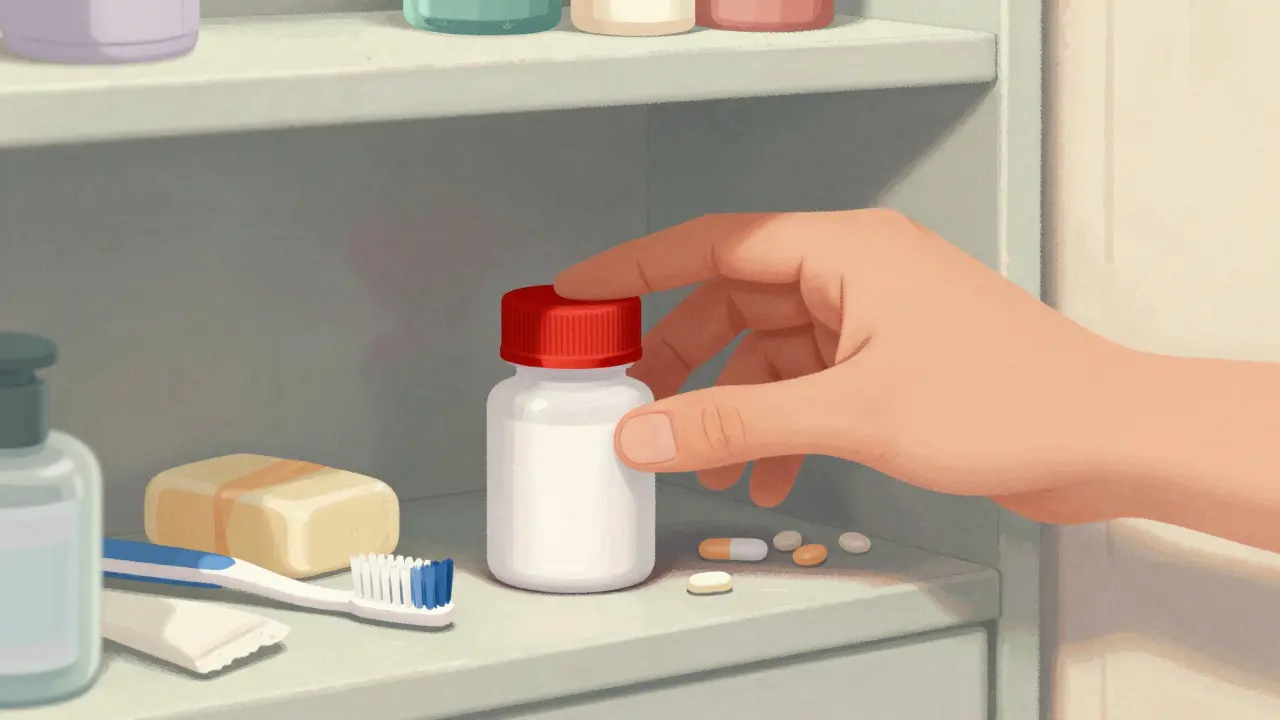
You have a bottle of leftover pills in your bathroom cabinet. Maybe it’s from surgery last year, or perhaps you just didn’t need the full prescription for pain management. It feels harmless to leave them there "just in case," but those unused opioids are powerful painkillers that carry a high risk of addiction, misuse, and fatal overdose if they fall into the wrong hands. In fact, research shows that about 70% of misused prescription opioids come from friends or family members' medicine cabinets. Leaving these drugs lying around is like leaving a loaded gun on the kitchen counter-it might not seem dangerous right now, but the risk is real.
The good news? You don’t have to guess how to get rid of them safely. There are proven, effective ways to dispose of unused medications that protect your household, your community, and the environment. Whether you live in a city with easy access to pharmacies or in a rural area where help is miles away, there is a method that works for you. Let’s break down exactly how to do it right.
Why Proper Disposal Matters More Than You Think
It’s easy to underestimate the danger of leftover painkillers. After all, they were prescribed by a doctor, right? But opioids are highly addictive substances. When left unsecured, they become accessible to teenagers experimenting with drugs, curious young children who mistake colorful pills for candy, or individuals struggling with substance use disorder. The Centers for Disease Control and Prevention (CDC) reported over 107,000 drug overdose deaths in 2021 alone, many involving prescription opioids.
Proper disposal isn't just about cleaning out your cabinet; it's a critical public health intervention. By removing unused drugs from your home, you cut off a major supply chain for misuse. Studies indicate that safe disposal can reduce youth initiation of opioid use by up to 40%. It also prevents accidental pediatric exposures, which account for thousands of emergency room visits every year. If you’re worried about privacy or judgment, rest assured that most disposal methods are designed to be anonymous and non-judgmental.
The Gold Standard: Drug Take-Back Programs
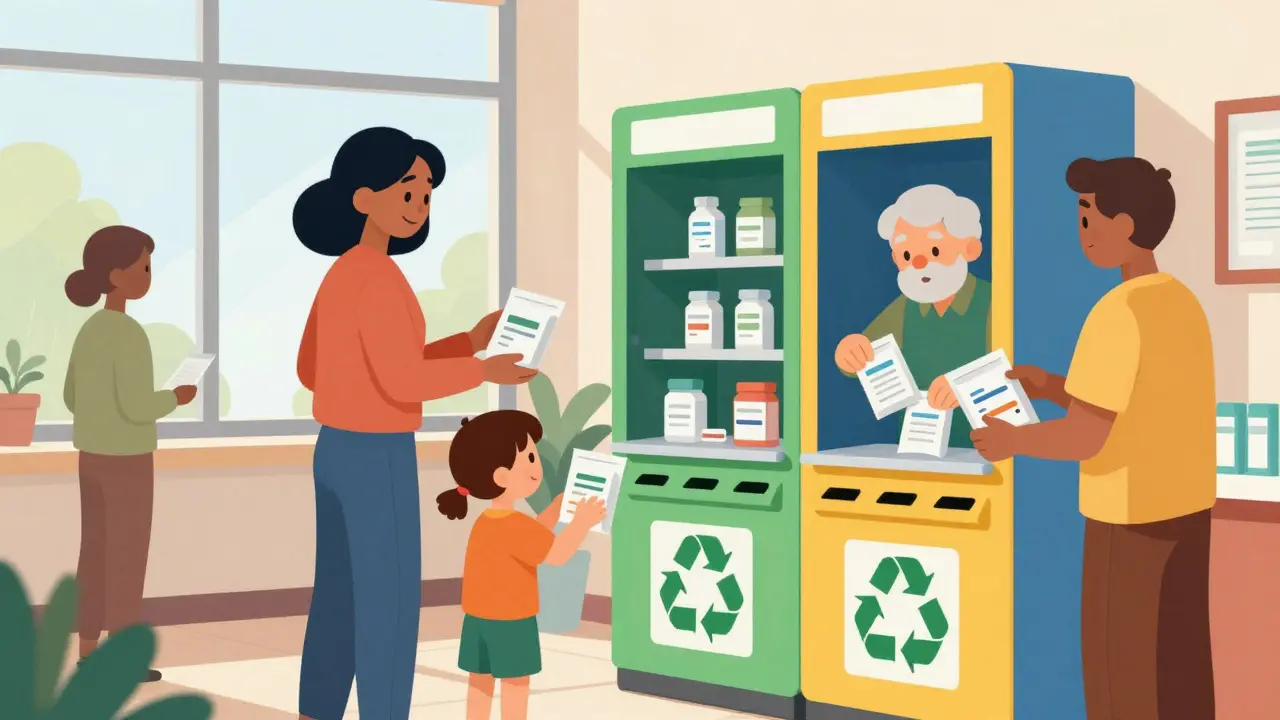
If you want the safest, most environmentally friendly option, look no further than drug take-back programs. These are designated collection sites where you can drop off your unused medications. The Drug Enforcement Administration (DEA) oversees a vast network of these locations across the United States. As of late 2023, there were nearly 17,000 registered collection sites nationwide.
Here’s why this is the top choice:
- Complete Destruction: Collected medications are incinerated at EPA-permitted facilities at temperatures exceeding 1,800°F. This destroys 100% of the active ingredients, ensuring they can never be misused again.
- Convenience: Many pharmacies, hospitals, and law enforcement agencies participate. Major chains like Walmart and Walgreens have thousands of locations with disposal kiosks.
- Accessibility: You can find a site near you using the DEA’s disposal locator tool online. Just enter your ZIP code, and you’ll get results within seconds.
However, there is a catch. Access varies greatly depending on where you live. Urban counties average nearly five collection sites per 100,000 residents, while rural areas often have fewer than two. If you live in a "medication desert"-an area with no collection site within 50 miles-you’ll need an alternative method. Don’t worry; we’ll cover those next.
Home-Based Solutions: Deactivation Pouches
For those who can’t make it to a take-back event or location, deactivation pouches offer a convenient and effective solution. Products like the Deterra Drug Deactivation System or Single-Use Disposal System (SUDS) pouches are available at most major pharmacy chains for $2.50 to $5.00 each.
These aren’t just trash bags. They contain activated carbon and other compounds that chemically neutralize opioids. Here’s how they work:
- Pour your unused pills into the pouch.
- Add warm water as directed (usually a specific amount marked on the pouch).
- Seal the pouch tightly.
- Wait 30 minutes. The chemicals inside will deactivate 99.9% of the drug’s potency.
- Throw the sealed pouch in your regular household trash.
This method is incredibly effective, with studies showing a 95% success rate in preventing diversion. It’s also great for privacy since you don’t have to hand over your prescription bottles to anyone. Just remember to follow the instructions carefully-adding enough water is crucial for the chemical reaction to work. If you skip this step, the drugs remain active and dangerous.
The Household Disposal Method: When No Other Option Exists
If you can’t find a take-back site and can’t buy a deactivation pouch, the FDA provides guidelines for disposing of medications at home. This is considered a last resort because it requires careful execution to ensure safety. Done incorrectly, it can still pose risks.
Follow these steps precisely:
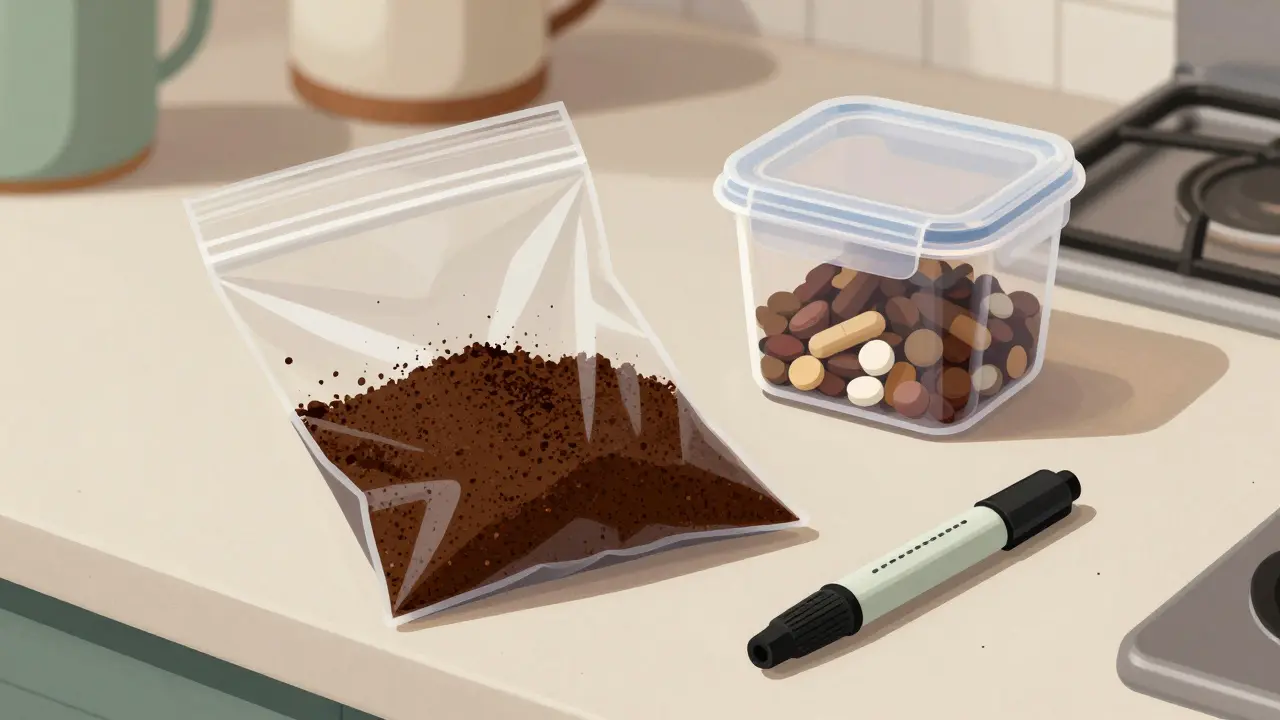
- Mix: Combine your unused opioids with an unappealing, absorbent substance like used coffee grounds, cat litter, or dirt. This makes the pills less attractive to children or pets and helps them stay contained.
- Contain: Place the mixture in a sealable plastic bag or a sturdy container with a tight-fitting lid. An old yogurt cup or a small Tupperware container works well.
- Obscure: Before throwing it away, use a permanent marker to black out any personal information on the original prescription label. This protects your identity.
- Discard: Throw the sealed container in your household trash.
This method reduces diversion risk by about 82%, but it relies heavily on user compliance. People often forget to mix the pills properly or fail to seal the container tightly. If you choose this route, double-check every step.
What About Flushing? The Exceptions
You’ve probably heard conflicting advice about flushing medications down the toilet. Generally, experts advise against it because pharmaceuticals can contaminate water supplies. Trace amounts of drugs have been detected in 80% of U.S. waterways, raising concerns about environmental impact.
However, there are exceptions. The FDA maintains a "Flush List" of 15 specific high-risk opioid medications that should be flushed if no take-back option is immediately available. This list includes potent drugs like fentanyl patches, oxycodone, and morphine sulfate. Why flush these? Because their potential for immediate harm-especially to children or pets-is so high that the risk of accidental ingestion outweighs the environmental concern.
If your medication is on this list, flush it down the toilet right away. For all other opioids, stick to take-back programs, deactivation pouches, or the household disposal method. Never flush unless explicitly instructed by the FDA or your healthcare provider.
| Method | Effectiveness | Accessibility | Environmental Impact | Best For |
|---|---|---|---|---|
| Take-Back Programs | 98% | High (Urban), Low (Rural) | None (Incineration) | Most households with nearby access |
| Deactivation Pouches | 95% | High (Pharmacies) | Low (Trash) | Privacy-conscious users, rural areas |
| Household Disposal | 68% | Very High (Home) | Low (Trash) | Emergency situations, no other options |
| Flushing | 100% (Immediate) | Very High (Home) | High (Waterways) | FDA Flush List drugs only |
Common Mistakes to Avoid
Even with good intentions, people often make errors when disposing of opioids. Here are the most common pitfalls:
- Leaving Pills in Original Bottles: Never throw away pills in their original prescription containers. The labels reveal your name and the type of drug, inviting theft or misuse. Always remove the pills first.
- Inadequate Sealing: If using the household method, ensure the container is airtight. Loose bags can spill, exposing others to the drugs.
- Ignoring Activation Steps: With deactivation pouches, failing to add enough water renders the pouch useless. Read the instructions twice.
- Hoarding "Just in Case": Keeping leftovers for future headaches or minor pains is risky. Opioids are not appropriate for mild discomfort and increase the temptation for misuse.
When to Act: Timing Is Everything
The best time to dispose of unused opioids is immediately after you finish your prescribed course. Don’t wait until spring cleaning. Healthcare providers are increasingly mandated to include disposal instructions with prescriptions, and many hospitals now offer "dispose at discharge" protocols. If you’re leaving the hospital with extra pills, ask the pharmacist or nurse for a disposal pouch or directions to the nearest take-back site before you drive home.
If you discover old bottles during a cleanup, act quickly. Every day they sit in your cabinet is another day they could be accessed by someone who shouldn’t have them. Remember, proper disposal is a simple act with a profound impact on community safety.
Where can I find a drug take-back location near me?
You can use the DEA’s official disposal locator tool online. Simply enter your ZIP code to find registered collection sites such as pharmacies, police stations, and hospitals in your area. Major pharmacy chains like Walgreens and Walmart also have searchable maps on their websites.
Is it safe to flush opioids down the toilet?
Generally, no. Flushing can contaminate water supplies. However, the FDA recommends flushing specific high-risk opioids (like fentanyl patches and oxycodone) if no take-back option is immediately available, due to the extreme risk of accidental ingestion or misuse. Check the FDA’s Flush List to see if your medication qualifies.
How do deactivation pouches work?
Deactivation pouches contain activated carbon and chemical agents that neutralize opioids. You pour the pills into the pouch, add warm water, seal it, and wait 30 minutes. The chemicals break down the drug’s active ingredients, rendering them harmless before you throw the pouch in the trash.
What should I do if I live in a rural area with no take-back sites?
If you cannot access a take-back program, use a deactivation pouch available at most pharmacies. If that’s not possible, follow the FDA’s household disposal method: mix pills with coffee grounds or cat litter, seal them in a plastic bag, obscure personal info, and discard in household trash.
Do I need to remove the pills from the original bottle before disposal?
Yes. Always remove the pills from their original prescription container. The label contains personal information and identifies the drug, making it a target for theft or misuse. Mix the loose pills with an absorbent material or place them directly into a deactivation pouch.
Alyssa Smith
June 21, 2026 AT 00:42It is so refreshing to see this kind of proactive community health information shared openly. We often forget that our personal habits directly impact the collective safety of our neighborhoods. I recently helped a neighbor dispose of some old prescriptions using the pouch method, and it felt like a small but significant victory for public safety. Let's keep spreading awareness! 🌟
Frank Polster
June 22, 2026 AT 07:27Oh wow, another government-approved way to throw away perfectly good medicine because they want us dependent on their 'approved' disposal sites. Sure, just drive 50 miles to a police station to drop off your Tylenol while you're at it. Classic.
ankit agarwal
June 22, 2026 AT 08:53The epistemological framework surrounding opioid diversion necessitates a rigorous analysis of individual agency versus systemic infrastructure deficits. While the DEA’s locator tool provides a utilitarian solution, one must consider the ontological implications of leaving potent pharmaceuticals in domestic spaces. It is imperative that we engage in a dialectic regarding the moral responsibility of the prescriber versus the patient in the lifecycle of these controlled substances. The deactivation pouch represents a technological intervention that mitigates risk through chemical neutralization, yet it relies on user compliance which is inherently variable. We must cultivate a culture of conscientious disposal.
krystal Live
June 22, 2026 AT 18:04OMG thank u for posting this!! i had no idea about the flush list thingy. my mom has some old pain meds from her hip surgery and we were just gonna leave them in the cabinet lol. def gonna check if they are on that list or get those pouches. super helpful info tyvm!
Tucker Brown
June 23, 2026 AT 20:33You think flushing is bad? Try looking into what they do with the incinerated ash. They aren't telling you everything. The whole take-back program is a surveillance mechanism to track who has access to opioids. Keep your pills safe.
Stephanie Cree
June 25, 2026 AT 05:32I cannot believe people still hoard these dangerous narcotics in their homes; it is frankly negligent and morally reprehensible. If you are too lazy to drive to a pharmacy, perhaps you should not have been prescribed such powerful drugs in the first place. The FDA guidelines are clear, concise, and non-negotiable. Do not make excuses. Protect your children. 🚫💊
Bruno Sarri
June 26, 2026 AT 10:24I appreciate the detailed breakdown here, especially the distinction between rural and urban access. For those in remote areas, the deactivation pouches are indeed a game-changer. I’ve used them before and found the process straightforward once you read the instructions carefully. It’s important to remember that everyone’s situation is different, so having multiple options reduces the barrier to safe disposal. Let’s support each other in keeping our communities safe without judgment.
Hema Khimasia
June 27, 2026 AT 04:35The paradigm shift required here involves recognizing medication not merely as a therapeutic agent but as a potential vector for social harm when unsecured. The efficacy of deactivation systems hinges on the precise adherence to protocol, specifically the hydration step which facilitates the adsorption and degradation of active compounds. Negligence in this procedural aspect renders the mitigation strategy null. Thus, education must precede distribution.