Workplace Medication Risk Assessor
Employee Profile & Conditions
Personal Medication Usage
Select any prescription medications currently taken that may affect work performance.
Job Responsibilities
Hazardous Drug Exposure
Do you handle antineoplastic or other hazardous drugs?
Safety Assessment Result
Please select your profile details on the left to generate a risk analysis based on NIOSH and OSHA data.
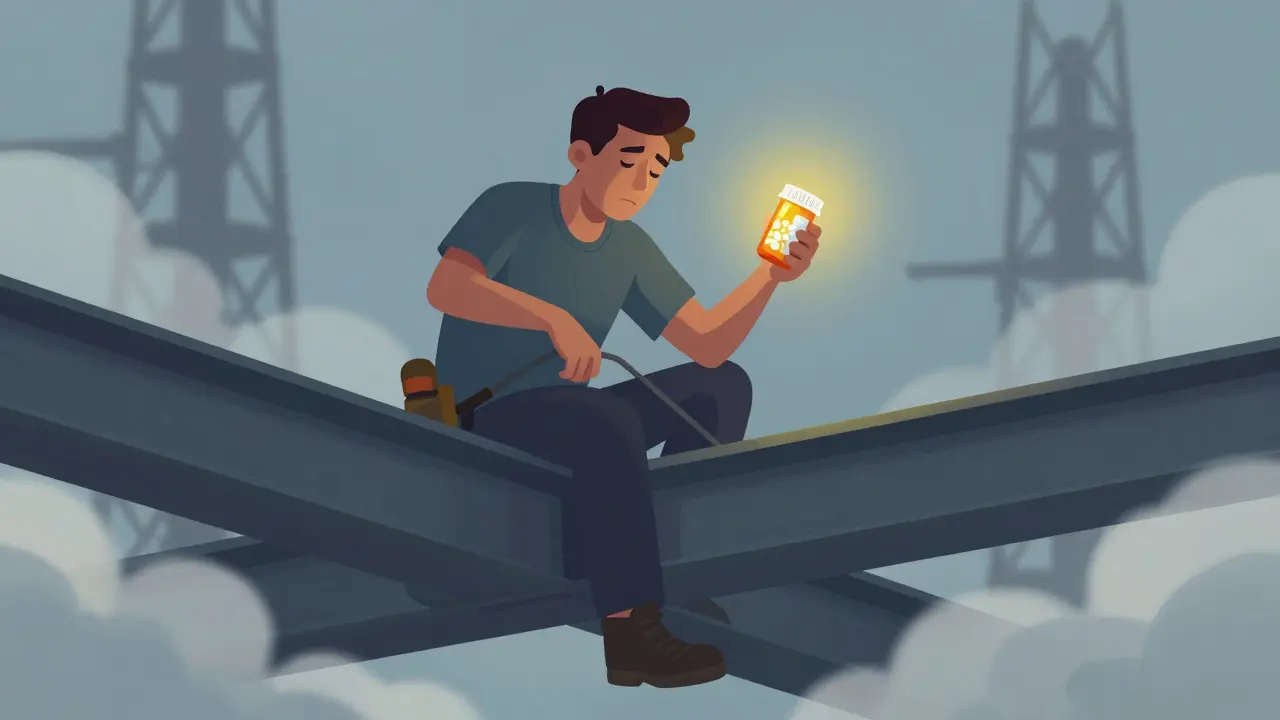
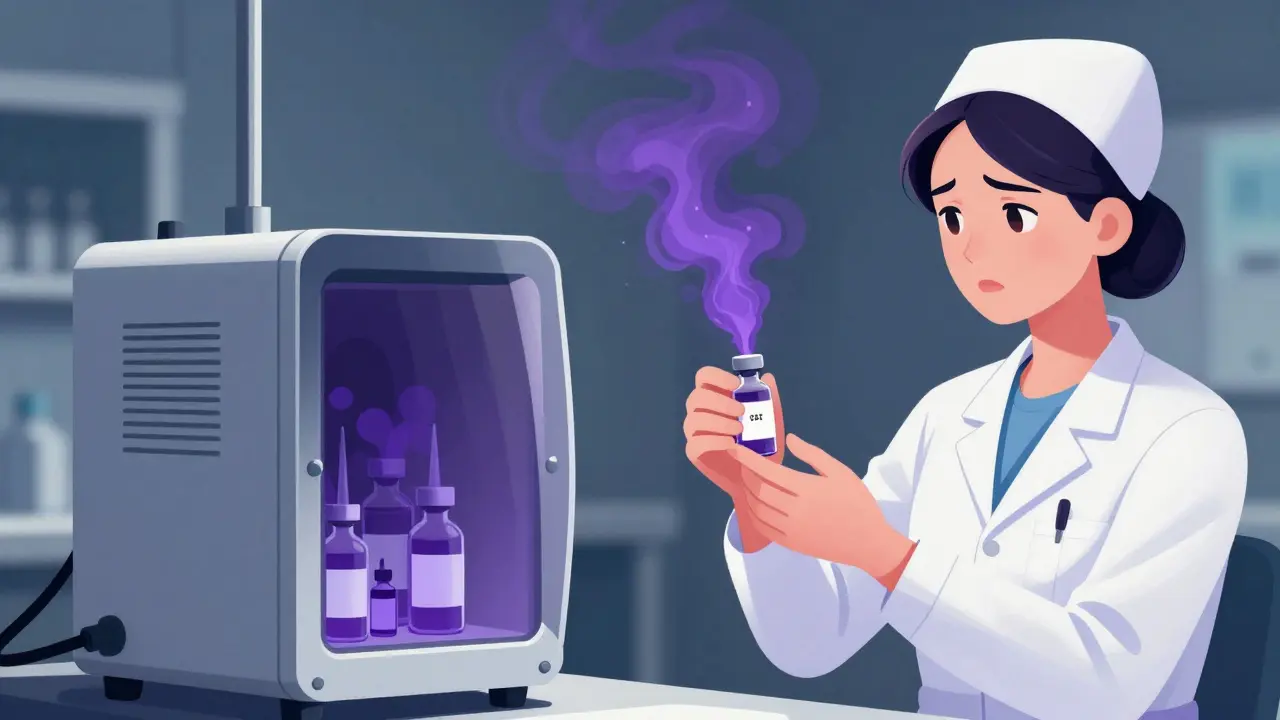
Imagine a construction worker taking strong painkillers for a back injury or a nurse handling chemotherapy drugs without proper protection. Both scenarios highlight the dual nature of medication-related workplace safety, which involves both the risks workers face from taking impairing prescriptions and the dangers of handling hazardous substances on the job. This isn't just about following rules; it's about keeping people alive and healthy in environments where a single mistake can lead to severe injury or long-term illness.
The landscape of occupational health has shifted significantly in recent years. With the National Institute for Occupational Safety and Health (NIOSH) updating its list of hazardous drugs in January 2024, employers and employees alike are facing stricter guidelines and higher awareness levels. Whether you are an employer trying to comply with OSHA standards or a worker managing chronic pain while operating heavy machinery, understanding these risks is critical. Let’s break down how medications impact work safety from two distinct angles: the drugs we take and the drugs we handle.
Key Takeaways
- Workers taking opioids or benzodiazepines face significantly higher risks of workplace injuries and falls.
- NIOSH’s 2024 list identifies 370 hazardous drugs, requiring strict handling protocols in healthcare settings.
- Engineering controls like closed-system transfer devices can reduce surface contamination by nearly 95%.
- Proper training and communication are essential to prevent preventable exposures and adverse outcomes.
The Hidden Danger: Prescription Medications and Impairment
Many workers rely on prescription medications to manage chronic conditions, stress, or injuries. While these drugs provide necessary relief, they often come with side effects that compromise safety. Opioids and benzodiazepines are particularly concerning because they affect cognitive function, reaction time, and physical coordination.
According to NIOSH data from 2018, approximately 18.7% of U.S. workers with musculoskeletal disorders use opioids. Another 7.2% of workers experiencing high stress levels use benzodiazepines. The real danger emerges when these classes are combined. A study published in the Journal of Occupational and Environmental Medicine in 2017 found that using both opioids and benzodiazepines increases the risk of falling by 84%. For jobs involving heights, heavy machinery, or precise motor skills, this statistic is alarming.
| Medication Class | Primary Risk Factor | Injury Risk Increase | Common Side Effects |
|---|---|---|---|
| Opioids | Sedation, slowed reflexes | 2.1x higher injury risk | Drowsiness, confusion, nausea |
| Benzodiazepines | Anxiety reduction, muscle relaxation | Increased fall risk | Dizziness, memory issues, fatigue |
| Combined Use | Respiratory depression, extreme sedation | 84% higher fall risk | Severe impairment, blackout episodes |
Dr. John Howard, former NIOSH Director, noted that workplace psychosocial stress often drives increased benzodiazepine use, creating a vicious cycle. Workers turn to medication to cope with stress, but the medication impairs their performance, leading to more stress and potential incidents. Breaking this cycle requires open dialogue between employers and employees, focusing on wellness rather than punishment.
Hazardous Drug Exposure: A Silent Threat in Healthcare
On the flip side, millions of healthcare workers face daily exposure to hazardous drugs. These are not just any medicines; they are substances designed to kill cells or alter reproductive systems. The 2024 NIOSH List of Hazardous Drugs includes 370 agents, categorized into antineoplastic (cancer-fighting) drugs, non-antineoplastic hazardous drugs, and those with reproductive effects only.
Antineoplastic agents make up the bulk of this list, with 267 drugs identified. Exposure routes vary, but inhalation accounts for 38% of incidents, followed by skin contact through splashing (29%) and contaminated surfaces (22%). Even tiny amounts of these drugs can have serious consequences. Chronic exposure has been linked to a 2.3 times higher risk of adverse reproductive outcomes, according to a CDC meta-analysis from 2022.
Consider the experience of a chemotherapy nurse who reported developing chronic skin rashes after three years of handling these drugs despite following protocols. Surface contamination tests later revealed detectable drug levels in 68% of work areas. This highlights a critical gap: standard cleaning procedures may not be enough to remove hazardous residues.
Regulatory Frameworks and Compliance Standards
Navigating the legal landscape of workplace medication safety can be complex. Two primary frameworks dominate: OSHA’s Hazard Communication Standard (29 CFR 1910.1200) and the U.S. Pharmacopeial Convention General Chapter 800 (USP <800>).
OSHA’s standard applies to most workplaces, covering approximately 6.2 million facilities in the U.S. However, it leaves some gaps, particularly for smaller healthcare settings. USP <800>, implemented in December 2019, provides more comprehensive guidance for compounding pharmacies but only covers about 58,000 workers directly. This discrepancy means many healthcare workers operate without uniform protection standards.
In 2023, OSHA launched an enforcement initiative targeting hazardous drug exposures, resulting in 147 citations totaling $1.2 million in penalties through the first quarter of 2024. This signals a shift toward stricter compliance. Employers must ensure they are not only aware of these regulations but actively implementing them.
Mitigation Strategies: Engineering Controls and Training
Preventing medication-related incidents requires a multi-layered approach. Engineering controls are the most effective method for reducing hazardous drug exposure. Closed-system transfer devices (CSTDs), for example, have been shown to reduce surface contamination by 94.7%, according to field tests by WorkSafeBC in 2021.
- Identify Hazards: Use NIOSH’s 2024 list to catalog all hazardous drugs in your facility.
- Evaluate Exposure: Conduct air and surface sampling to determine baseline contamination levels.
- Implement Controls: Install ventilation systems, use CSTDs, and provide appropriate PPE.
- Verify Effectiveness: Regularly monitor surfaces and air quality to ensure controls are working.
- Maintain Documentation: Keep detailed records of training, monitoring, and incidents as required by OSHA.
Training is equally important. USP <800> mandates 16-24 hours of initial training plus annual refreshers. Successful programs, like the one at Mayo Clinic, combine engineering controls with behavioral interventions, resulting in an 89% reduction in hazardous drug exposures. However, challenges remain. Incompatible safety cabinets were found in 31% of facilities during a 2022 audit, and inadequate ventilation affected 27% of sites.
The Human Element: Culture and Communication
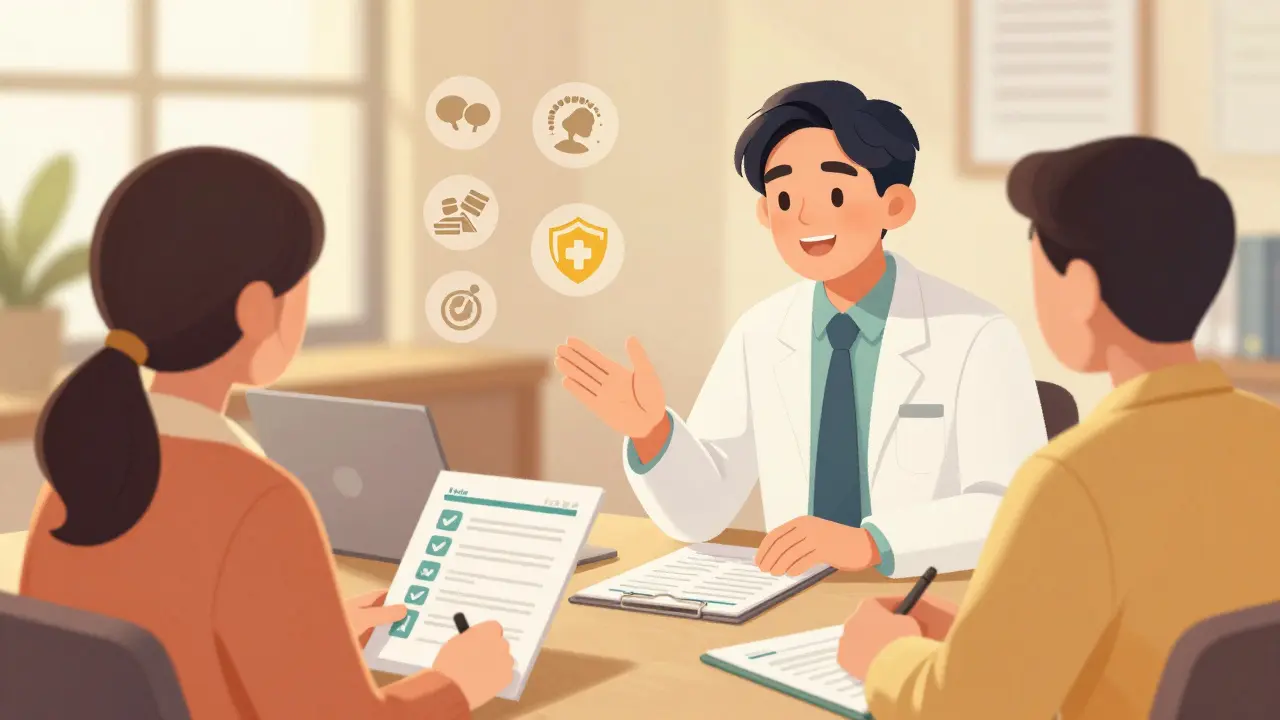
Technology and regulations alone cannot solve workplace safety issues. Human behavior plays a crucial role. Professor Margaret Brandt from the University of Cincinnati College of Nursing emphasizes that poor communication, inadequate controls, and lack of training account for 76% of preventable exposures.
Creating a culture of safety starts with leadership. When supervisors prioritize safety over speed, employees feel empowered to speak up about concerns. Unionized healthcare workers, for instance, report 22% fewer medication-related incidents than their non-unionized counterparts, suggesting that collective bargaining can drive better safety practices.
For workers taking prescription medications, transparency is key. Employers should encourage discussions about side effects and adjust duties if necessary. Punitive approaches, such as strict drug-free policies, can backfire. Dr. Robert Gotlin argues that current policies disproportionately impact workers with legitimate medical needs, with 32% reporting job loss due to necessary medication use despite no safety incidents.
Future Trends and Emerging Challenges
The field of occupational medication safety is evolving rapidly. AI-powered exposure monitoring systems are being piloted at institutions like Johns Hopkins Hospital, showing 92% accuracy in predicting high-exposure scenarios. These tools could revolutionize how we track and mitigate risks in real-time.
However, new challenges arise with emerging therapies. Forty-two percent of new oncology drugs approved in 2023 lack established occupational exposure limits. As biologics and targeted therapies become more common, regulators must keep pace to ensure worker protection.
The economic burden of occupational medication incidents totals $4.7 billion annually, including direct healthcare costs, lost productivity, and workers' compensation claims. Investing in prevention pays off. Facilities that implement comprehensive hazardous drug programs see significant reductions in incidents and associated costs.
Frequently Asked Questions
What defines a hazardous drug according to NIOSH?
A hazardous drug is classified based on criteria such as carcinogenicity, teratogenicity, reproductive toxicity, organ toxicity at low doses, and genotoxicity. NIOSH’s 2024 list includes 370 drugs meeting these criteria, primarily used in cancer treatment and other specialized therapies.
How do opioids affect workplace safety?
Opioids can cause sedation, slowed reflexes, and impaired judgment. Workers taking opioids face a 2.1 times higher risk of workplace injuries compared to non-users. Combining opioids with benzodiazepines further increases this risk, particularly for falls and accidents.
What are closed-system transfer devices (CSTDs)?
CSTDs are engineering controls designed to prevent the release of hazardous drug vapors and aerosols during preparation and administration. They have been shown to reduce surface contamination by nearly 95%, making them a critical tool in healthcare settings.
Is OSHA’s Hazard Communication Standard sufficient for all healthcare workers?
No, OSHA’s standard covers approximately 6.2 million facilities, leaving some smaller healthcare settings unprotected. Additionally, USP <800> provides more specific guidance for compounding pharmacies but does not cover all healthcare roles. Many workers still operate in gray areas regarding protection.
How can employers support workers taking prescription medications?
Employers should foster open communication about medication side effects and adjust job duties if necessary. Avoiding punitive drug-free policies and focusing on wellness programs can help retain skilled workers while maintaining safety standards.