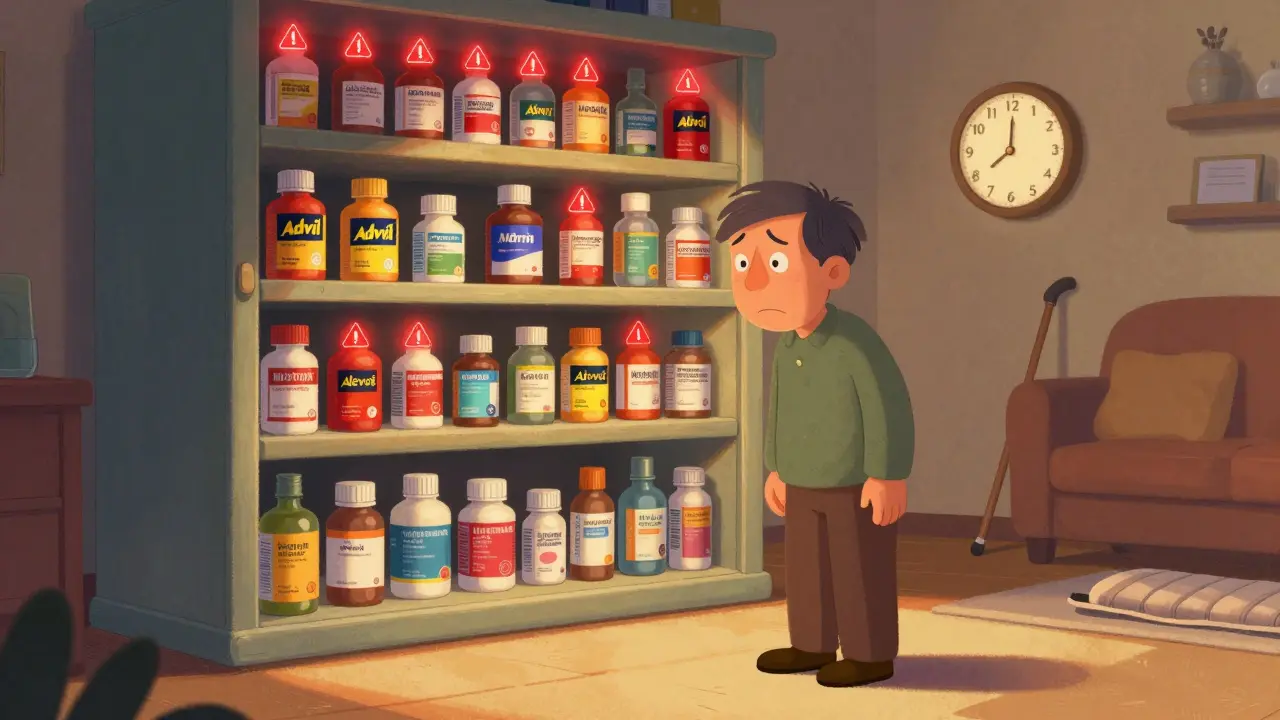
Every year, millions of people reach for ibuprofen or naproxen to ease a headache, back pain, or menstrual cramps. These are the two most common over-the-counter NSAIDs in the U.S., sold under brand names like Advil, Motrin, and Aleve. But just because you can buy them without a prescription doesn’t mean they’re harmless. In fact, ibuprofen and naproxen carry serious risks that most users don’t fully understand.
How Much Is Too Much?
The labels on OTC NSAID bottles seem simple: take one or two pills every few hours. But the numbers behind those pills matter more than you think. For ibuprofen, the maximum daily dose allowed without a prescription is 1,200 mg. That’s six 200 mg tablets. For naproxen sodium, it’s 600 mg per day - three 220 mg tablets. But here’s the catch: many people go over these limits without realizing it.
One Reddit user took 800 mg of ibuprofen daily for months to manage back pain. He ended up in the hospital with a bleeding ulcer. Another case, reported to the FDA in early 2024, involved a 68-year-old who took the maximum dose of naproxen for 14 straight days - longer than the 10-day limit recommended by health agencies. He developed acute kidney injury. These aren’t rare stories. The American College of Gastroenterology reports a 17% yearly rise in NSAID-related hospitalizations from 2018 to 2023.
Why does this happen? Because people think, “If one pill helps, two must help more.” Or they take it for days, even weeks, thinking it’s safe since it’s “just an OTC painkiller.” But the FDA made it clear in 2020: cardiovascular risks can show up within the first week of use. And they get worse the longer you take it.
Heart Risks: It’s Not Just for Older Adults
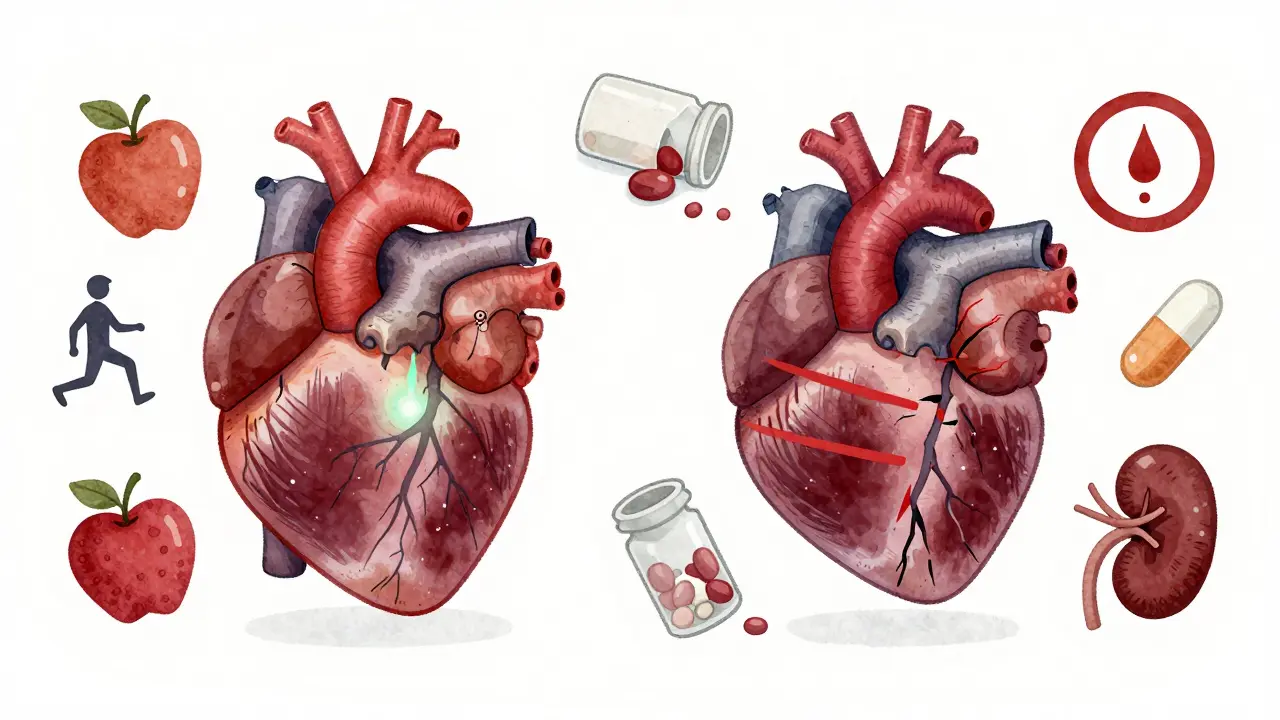
For years, people believed heart risks from NSAIDs only applied to those with existing heart disease. That’s not true. A 2024 study in The Lancet found that even short-term use - under seven days - raised heart attack risk by 20% in people already at risk for heart problems. That includes people with high blood pressure, diabetes, or a family history of heart disease.
The FDA reviewed data from over 1.9 million patients and concluded that non-aspirin NSAIDs increase the chance of heart attack or stroke. This isn’t a vague warning. It’s a direct link. And it’s not the same for every drug. Naproxen has shown a slightly better cardiovascular safety profile than ibuprofen in multiple studies. A 2015 FDA advisory panel found naproxen had the lowest risk among NSAIDs. But that doesn’t mean it’s safe. Both carry the same black-box warning on their labels.
Here’s the reality: if you have heart disease, the American Heart Association says to avoid NSAIDs entirely unless there’s no other option. And even then, use the lowest dose for the shortest time possible.
Stomach Damage: The Silent Threat
While heart risks grab headlines, the most common harm from NSAIDs happens in your gut. Ibuprofen and naproxen block enzymes that protect your stomach lining. That means they can cause ulcers - and not just the kind that cause burning. They can lead to internal bleeding, which can be fatal if not caught early.
Studies show NSAIDs increase ulcer risk by 2 to 4 times compared to people who don’t take them. A 2019 study in Gastroenterology found naproxen actually carries a higher risk of stomach bleeding than ibuprofen at equivalent anti-inflammatory doses. But ibuprofen is taken more often, so more people end up with problems.
People often ignore early signs: mild stomach ache, heartburn, nausea. They chalk it up to “bad food” or stress. But if you’re taking these drugs regularly, those symptoms are red flags. One user on Drugs.com wrote: “I took 200 mg ibuprofen daily for three weeks and ended up with a perforated ulcer.” He needed surgery.
There’s a simple fix: always take NSAIDs with food. It doesn’t eliminate the risk, but it reduces stomach irritation. And if you’ve ever had an ulcer, stomach bleeding, or are over 65, you should avoid these drugs unless your doctor says otherwise.
Kidneys Don’t Lie
Your kidneys filter your blood. NSAIDs reduce blood flow to them. That’s fine for a day or two. But if you’re dehydrated, have high blood pressure, or already have kidney issues, this can cause real damage.
The FDA warns that NSAIDs can cause kidney problems - even at OTC doses. A 2024 FDA report documented a case where a 68-year-old man on naproxen developed sudden kidney failure after 14 days of daily use. He had no prior kidney disease. He just kept taking it because his back pain didn’t go away.
People with chronic conditions like diabetes, heart failure, or high blood pressure are at higher risk. The same goes for older adults. The NHS and Mayo Clinic both advise extreme caution if you’re over 65. If you’re taking diuretics, ACE inhibitors, or other blood pressure meds, NSAIDs can make things worse.
NSAIDs vs. Acetaminophen: Which Is Safer?
Many people switch to acetaminophen (Tylenol) thinking it’s safer. And for many, it is. It doesn’t hurt your stomach or increase heart risk like NSAIDs do. But it has its own danger: liver damage.
The maximum daily dose of acetaminophen is 3,000 mg - lower than the old 4,000 mg limit. Many OTC cold and flu meds contain acetaminophen, so it’s easy to accidentally overdose. One study found that nearly 50% of accidental acetaminophen overdoses happened because people didn’t realize they were taking it in multiple products.
So which should you choose? If you have stomach issues, heart disease, or kidney problems, acetaminophen is usually the better choice - as long as you don’t exceed the daily limit and avoid alcohol. If you have liver disease or drink alcohol regularly, NSAIDs might be the lesser evil - but only under a doctor’s supervision.
Who Should Avoid NSAIDs Entirely?
Here’s a clear list of people who should not take ibuprofen or naproxen without talking to a doctor:
- Anyone with a history of stomach ulcers or bleeding
- People with heart disease, heart failure, or high blood pressure
- Those with kidney disease or on dialysis
- Pregnant women, especially after 20 weeks
- People taking blood thinners like warfarin or aspirin
- Adults over 65
- Anyone with asthma triggered by pain relievers
- People who drink alcohol regularly
And here’s something many don’t know: ibuprofen can block the heart-protective effect of low-dose aspirin. If you’re taking aspirin to prevent heart attack or stroke, taking ibuprofen at the same time can cancel out that benefit. Naproxen doesn’t interfere the same way - but you still shouldn’t mix them without medical advice.
How to Use NSAIDs Safely
If you’re healthy and don’t fall into any of the high-risk groups, you can still use NSAIDs safely - if you follow these rules:
- Use the lowest dose that works. Don’t take 400 mg if 200 mg helps.
- Take it with food or milk to protect your stomach.
- Never take it for more than 10 days in a row without seeing a doctor.
- Don’t combine with other NSAIDs. That includes topical gels or prescription versions.
- Check all your other meds. Cold pills, sleep aids, and migraine drugs often contain NSAIDs or acetaminophen.
- Stop immediately if you get stomach pain, black stools, swelling in your legs, or chest tightness.
And if your pain lasts longer than 10 days? That’s not normal. It’s a sign something else is wrong. See a doctor. Don’t just keep taking more pills.
What About Topical NSAIDs?
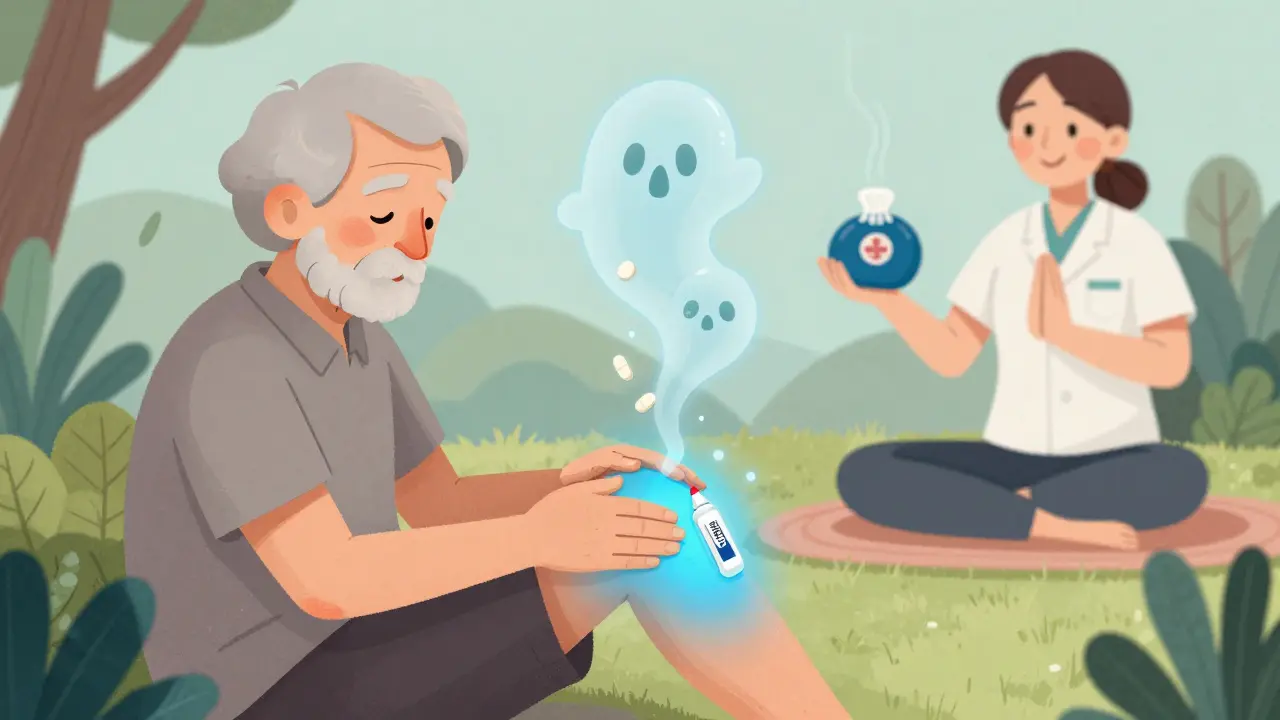
If you’re worried about side effects, consider topical options. Diclofenac gel (Voltaren) is an FDA-approved OTC cream for joint pain. It delivers the medicine right to the sore spot with far less going into your bloodstream. Studies show it’s just as effective for knee or hand arthritis - with much lower risk of stomach or heart problems.
It’s not perfect. It won’t help with full-body pain like headaches or menstrual cramps. But for localized joint or muscle pain, it’s a smart alternative. Mayo Clinic recommends it as a first-line option for older adults or those with GI risks.
The Bigger Picture
NSAIDs are not harmless. They’re powerful drugs with real dangers. And we treat them like candy because they’re easy to buy. But the data doesn’t lie: 63% of people don’t even know the 10-day limit. Only 28% read the full Drug Facts label.
The FDA, CDC, and major medical groups all agree: non-drug treatments should come first for chronic pain. Physical therapy, heat, exercise, weight management, and even cognitive behavioral therapy can be more effective and safer than long-term NSAID use.
For occasional pain - a sprained ankle, a bad headache - ibuprofen or naproxen can be helpful. But if you’re using them regularly, you’re not managing pain. You’re masking a problem. And the longer you wait to find the real cause, the more damage you might be doing to your body.
Can I take ibuprofen and naproxen together?
No. Taking both together increases your risk of stomach bleeding, kidney damage, and heart problems without giving you better pain relief. Stick to one NSAID at a time, and only if you need it.
Is naproxen safer than ibuprofen for the heart?
Yes, according to FDA analyses, naproxen has a slightly lower risk of heart attack and stroke compared to ibuprofen. But both carry serious cardiovascular warnings. Neither is safe for long-term use, especially if you have heart disease.
Can NSAIDs cause high blood pressure?
Yes. NSAIDs can raise blood pressure by causing fluid retention and reducing kidney function. This is especially dangerous if you already have hypertension. Monitor your blood pressure if you use these drugs regularly.
Is it safe to take NSAIDs while pregnant?
No, especially after 20 weeks of pregnancy. NSAIDs can cause low amniotic fluid and kidney problems in the fetus. Acetaminophen is the preferred pain reliever during pregnancy, but always check with your doctor first.
What should I do if I’ve been taking ibuprofen daily for months?
Stop immediately and see a doctor. Long-term daily use increases your risk of ulcers, kidney damage, and heart problems. Your doctor can help you find the cause of your pain and recommend safer treatments.
Are OTC NSAIDs safe for kids?
Ibuprofen and acetaminophen are generally safe for children when dosed by weight and age. Never give aspirin to kids or teens with viral infections - it can cause Reye’s syndrome, a rare but deadly condition. Always follow the label or your pediatrician’s instructions.
Next Steps: What to Do Now
Check your medicine cabinet. Do you have more than one bottle of ibuprofen or naproxen? Are you taking them daily? If so, ask yourself: Why? Is the pain getting worse? Are you using them to mask something deeper?
Write down how often you take them and for what. Then talk to your doctor. Don’t wait until you have stomach bleeding or a heart issue. Most NSAID-related emergencies are preventable - if you act before it’s too late.
For minor, occasional pain - go ahead and use them. But treat them like a tool, not a habit. Your body isn’t designed to run on NSAIDs. And the longer you rely on them, the more you risk breaking it.
Robin Van Emous
January 26, 2026 AT 12:30I had no idea ibuprofen could mess with your heart so fast. I've been popping two every time my back acts up, thinking it was harmless. Guess I'm rethinking that.
rasna saha
January 26, 2026 AT 18:30This is so important. In India, people just grab NSAIDs like candy-no label reading, no doctor talk. I showed this to my mom and she finally stopped taking naproxen for her knee pain. Thank you for putting this out there.
Skye Kooyman
January 27, 2026 AT 10:00Topical diclofenac changed my life. No stomach drama, no heart worries. Just rub it on and go.
James Nicoll
January 28, 2026 AT 13:07So let me get this straight-we treat a drug that can kill your kidneys like it’s a free sample at Costco? Brilliant. Just brilliant.
Peter Sharplin
January 30, 2026 AT 03:51For anyone reading this and thinking 'I’m fine, I only take it once in a while'-you’re not. The risk isn’t linear. Even one week of daily use can trigger a cardiac event in someone with hidden risk factors. The FDA’s data isn’t scaremongering-it’s epidemiology. And if you’re over 65, on blood pressure meds, or have diabetes? You’re not 'fine.' You’re playing Russian roulette with your arteries. Stop. Talk to your doctor. There are safer paths. Physical therapy, acupuncture, even heat wraps. Don’t wait for the bleeding ulcer to be your wake-up call.
shivam utkresth
February 1, 2026 AT 02:29Bro, NSAIDs are basically chemical bandaids. You’re not healing-you’re silencing the alarm. My cousin took ibuprofen for 8 months straight for 'chronic stress headaches'-turns out he had a brain tumor. The pain wasn't the problem. The tumor was. We gotta stop treating symptoms like solutions. Your body’s screaming. Listen.
John Wippler
February 2, 2026 AT 11:33My grandpa used to say, 'If it feels good, it must be good.' He died at 72 from a GI bleed after 15 years of daily Aleve. He never read the label. Never asked. Just trusted the bottle. Don’t be him. Don’t be me when I was 25. Pain isn’t a bug to be deleted. It’s a feature telling you something’s broken. Fix the thing. Not the symptom.
Kipper Pickens
February 3, 2026 AT 00:07Pharmacokinetic variability in CYP2C9 metabolism significantly modulates NSAID clearance, particularly in polymorphic populations. Concurrent use with ACE inhibitors may induce acute renal hypoperfusion via prostaglandin inhibition. Topical formulations reduce systemic exposure by >80% compared to oral, per FDA bioequivalence studies. Consider COX-2 selectivity profiles when evaluating risk-benefit ratios in high-risk cohorts.