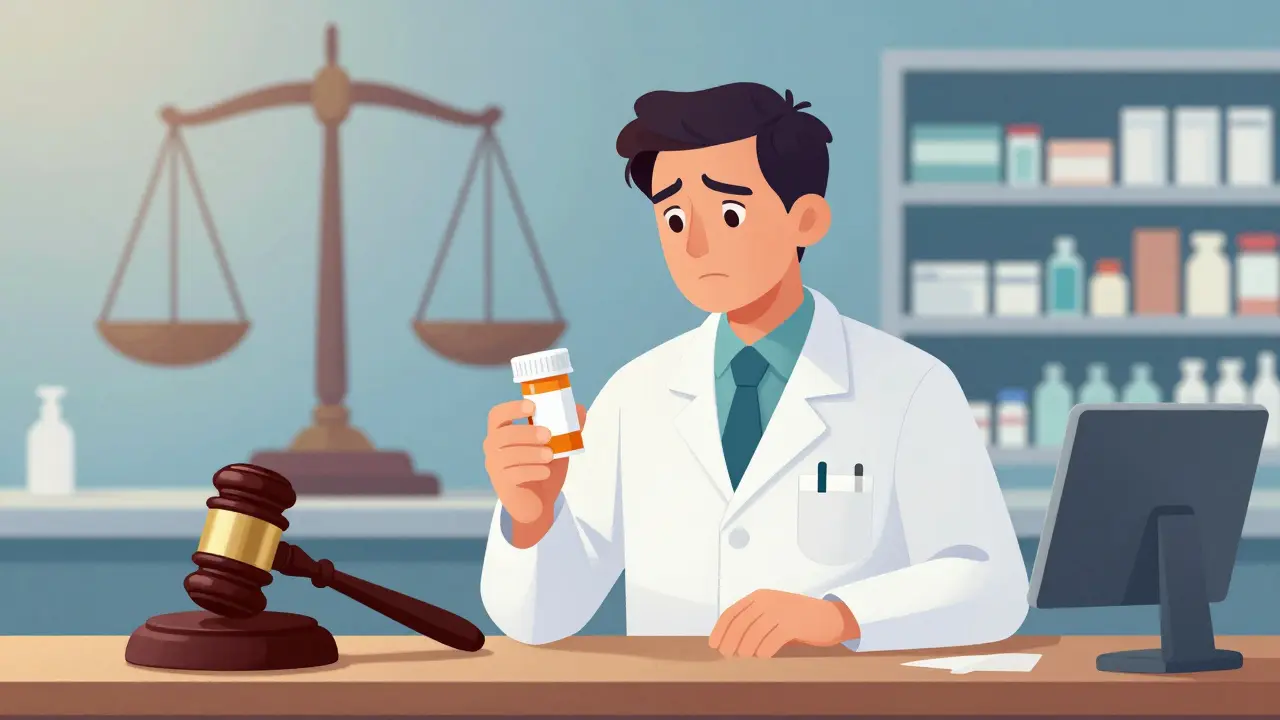
Generic drug substitution is the backbone of modern healthcare affordability, yet it sits at the center of a complex professional liability minefield for pharmacists. You dispense millions of prescriptions, most of which are generics, but what happens when a patient suffers an adverse event after switching from a brand-name drug to its generic equivalent? The legal landscape has shifted dramatically since the Supreme Court’s 2011 decision in PLIVA v. Mensing, creating a system where federal law often preempts state failure-to-warn claims against generic manufacturers. This leaves you, the pharmacist, exposed. Understanding how to navigate these risks isn't just about compliance; it's about protecting your license and your patients.
The Legal Landscape: Why Liability Falls on You
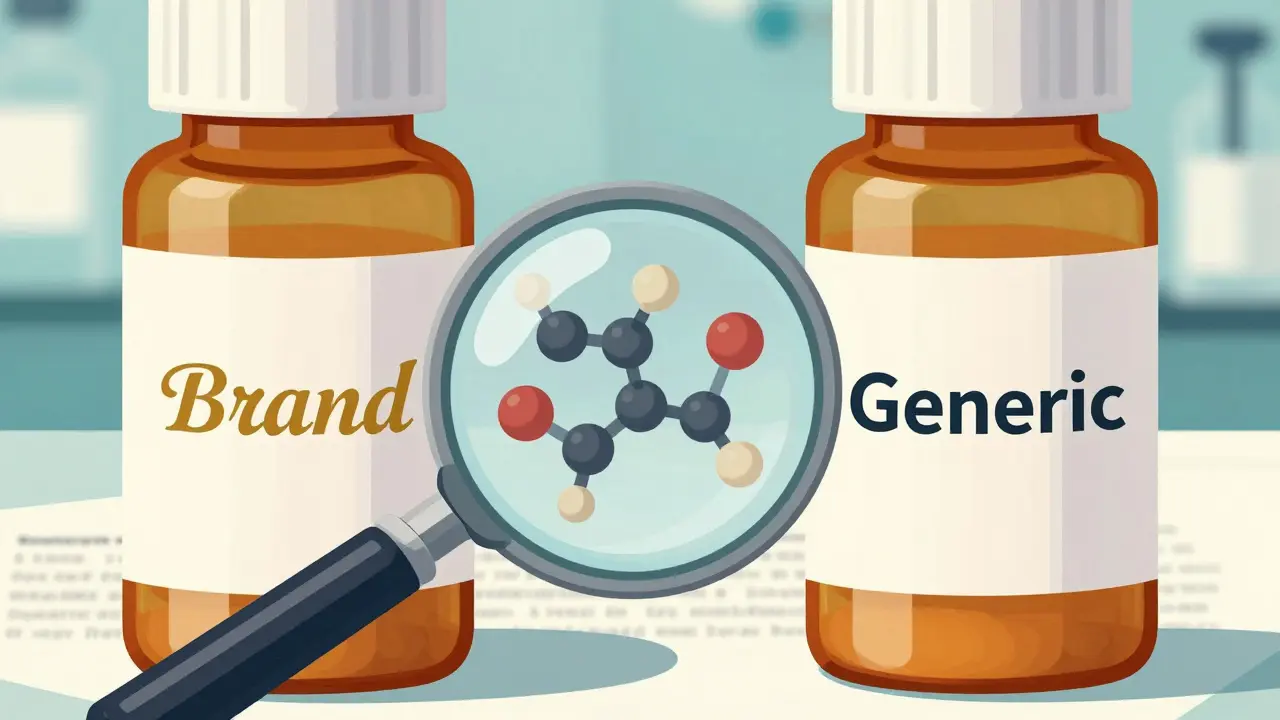
To reduce risk, you first need to understand why the liability structure exists. The Hatch-Waxman Act of 1984 created the pathway for Abbreviated New Drug Applications (ANDAs), allowing generic manufacturers to prove bioequivalence without repeating full clinical trials. Bioequivalence means the generic drug delivers the same amount of active ingredient into a patient's bloodstream within a similar timeframe as the brand name-typically defined by an 80-125% range in pharmacokinetic parameters. However, this standard does not guarantee therapeutic equivalence for every patient, especially those on sensitive medications.
The critical legal gap emerged with Mensing. The court ruled that generic manufacturers cannot unilaterally change their labels because they must match the brand-name product exactly. This federal preemption doctrine means injured patients often cannot sue generic manufacturers for inadequate warnings. Consequently, liability shifts toward the dispenser-you. If a patient experiences harm due to a substitution, and the manufacturer is shielded by federal law, the pharmacist becomes the primary target for malpractice claims. This dynamic was reinforced by the 2013 Mutual Pharmaceutical Co. v. Bartlett ruling, cementing the idea that generic makers are bound by identical labeling requirements.
State Laws: A Patchwork of Protections
Unlike federal law, which creates broad preemption, state laws vary wildly regarding pharmacist liability. As of 2023, all 50 states and Washington, DC have substitution laws, but they differ in four key dimensions that directly impact your risk exposure:
- Duty to Substitute: In 27 states, you are mandated to substitute if appropriate. In the other 23, you may substitute but aren't required to.
- Notification Requirements: Only 18 states require independent patient notification beyond standard package labeling. In many others, handing over the bag is considered sufficient notice.
- Consent Protocols: 32 states allow patients to refuse substitution, but the process for documenting this refusal varies significantly.
- Liability Protections: This is the most critical factor. 27 states explicitly protect pharmacists from greater liability for substitution than if the brand-name product were dispensed. Conversely, 23 states provide no such protection. In places like Connecticut, courts have noted potential increased liability exposure for pharmacists who substitute without explicit safeguards.
A 2019 study by the National Community Pharmacists Association found that states with comprehensive protections (like California, Texas, and Florida) had 32% fewer substitution-related malpractice claims compared to states like Massachusetts or Connecticut, which lack explicit statutory shields. Knowing your state’s specific stance is not optional-it is your first line of defense.
High-Risk Categories: Narrow Therapeutic Index Drugs
Not all generic substitutions carry equal weight. The greatest risk lies with Narrow Therapeutic Index (NTI) drugs. These are medications where small changes in blood concentration can lead to therapeutic failure or toxicity. Examples include warfarin (blood thinner), levothyroxine (thyroid hormone), and antiepileptic drugs like phenytoin or carbamazepine.
For NTI drugs, the 80-125% bioequivalence standard can be dangerous. A 2017 study published in Epilepsy & Behavior documented that 18.3% of patients experienced therapeutic failure after generic substitution of antiepileptic drugs. The American Epilepsy Society’s 2018 guidelines highlighted a 7.9% increased seizure risk associated with these switches. When a patient on levothyroxine switches manufacturers, even minor variations in excipients (inactive ingredients) can alter absorption rates, leading to severe hypothyroid symptoms. Patient reports on forums like Reddit’s r/pharmacy frequently detail these experiences, with 68% of respondents in one thread reporting adverse effects despite the drugs being technically "bioequivalent."
If you substitute an NTI drug and a patient suffers harm, the argument that "the generic is approved" holds less weight in court, especially if you failed to consult the prescriber or obtain explicit patient consent. These cases represent the highest liability exposure for any pharmacy.
Practical Strategies to Reduce Professional Liability
You don’t need to stop substituting generics to reduce risk. Instead, you need robust protocols. The American Society of Health-System Pharmacists (ASHP) recommends a multi-step approach to mitigate liability:
- Verify State-Specific Requirements: Check the National Association of Boards of Pharmacy’s Compendium annually. Do not assume your state’s laws have remained static.
- Implement EHR Alerts: Configure your electronic health record to flag NTI drugs automatically. These alerts should prompt a mandatory review before substitution occurs.
- Document Explicit Consent: For high-risk drugs, use standardized forms where patients sign acknowledging the switch. Verbal consent is difficult to prove in litigation.
- Establish Physician Communication Protocols: Create a clear path for contacting prescribers when you question a substitution. Document every attempt and outcome.
- Maintain Traceable Logs: Keep detailed substitution logs including batch numbers and manufacturer details. This traceability is vital if an adverse event investigation begins.
- Conduct Annual Risk Assessments: Use frameworks like the 27-point assessment from the Journal of the American Pharmacists Association to audit your pharmacy’s practices yearly.
- Review Malpractice Coverage: Ensure your insurance policy specifically addresses substitution risks. Premiums have risen 18% since Mensing, so verify your coverage limits align with current market realities.
The Cost-Benefit Reality
It is important to acknowledge why we substitute generics in the first place. Generic drugs account for 90% of prescriptions filled in the U.S. but only 15% of pharmaceutical spending. Between 2009 and 2018, this practice saved the healthcare system $1.67 trillion, according to the Association for Accessible Medicines. Patients benefit immensely; GoodRx data shows average annual savings of $327.50 per patient for common generics like lisinopril. Eighty-two percent of users report satisfaction with these substitutions for non-NTI drugs.
However, the legal "Catch-22" identified by Harvard Medical School’s Dr. Aaron Kesselheim remains: imposing direct liability on generic manufacturers would increase prices, undermining the cost-saving rationale. Maintaining the current system leaves injured patients without recourse against manufacturers, pushing liability onto pharmacists. The solution isn’t to avoid generics, but to manage the transition carefully. By focusing on informed consent and rigorous documentation for high-risk drugs, you protect both the patient’s safety and your professional standing.
Future Trends: Biosimilars and Shared Liability
The landscape is evolving. With biosimilar substitution now permitted in 45 states, new liability challenges are emerging. Biosimilars are not exact copies like small-molecule generics; they are large, complex proteins derived from living cells. Variations in manufacturing processes can lead to subtle differences in efficacy or immunogenicity. As substitution rates for biologics rise (currently at 28% in permitting states), pharmacists will face similar liability questions to those seen with NTI drugs.
Legislative efforts are also shifting. The proposed "Generic Drug Safety Act," introduced in 11 state legislatures in 2023, aims to create a shared liability system. Under this model, brand-name manufacturers would update labels within 30 days of new safety information, and generics would follow within 60 days. While not yet federal law, this trend suggests a move away from total preemption. Additionally, the FDA’s pilot program for "Labeling Change Notification" saw a 68% approval rate for label updates in 2023, though generic manufacturers initiated only 12% of these requests. Staying ahead of these regulatory changes is part of proactive risk management.
Can I be sued if a patient has an adverse reaction to a generic drug?
Yes. Due to federal preemption established by PLIVA v. Mensing, generic manufacturers are often shielded from failure-to-warn lawsuits because they cannot change labels independently. This shifts liability to the pharmacist, especially if you substituted the drug without proper patient notification or consent, or if the drug was a Narrow Therapeutic Index (NTI) medication requiring closer monitoring.
What are Narrow Therapeutic Index (NTI) drugs?
NTI drugs are medications where small differences in blood concentration can cause serious harm or therapeutic failure. Examples include warfarin, levothyroxine, and certain antiepileptics. For these drugs, the standard 80-125% bioequivalence range may not ensure consistent clinical outcomes, making substitution higher risk.
Do all states protect pharmacists from liability when substituting generics?
No. As of 2023, 27 states explicitly protect pharmacists from greater liability for substitution than if the brand-name product were dispensed. However, 23 states provide no such statutory protection. States like Connecticut have seen higher claim rates due to the lack of explicit liability shields for pharmacists.
How can I document patient consent for generic substitution?
The best practice is to use standardized written consent forms, especially for NTI drugs. Verbal consent is hard to prove. Your pharmacy’s electronic health record should log the date, time, and method of notification. Always check your state’s specific notification requirements, as 18 states mandate independent patient notification beyond package labeling.
What is the Hatch-Waxman Act and how does it affect liability?
The Hatch-Waxman Act of 1984 created the ANDA pathway for generic drugs, allowing them to bypass full clinical trials by proving bioequivalence. It balances patent protection for brand names with faster generic entry. Legally, it underpins the requirement for generic labels to match brand names, which led to the Mensing preemption doctrine that currently shields generic manufacturers from many warning-label lawsuits.
Should I avoid substituting biosimilars?
Not necessarily, but you should exercise extreme caution. Biosimilars are not identical to reference biologics due to their complex manufacturing processes. Liability risks are similar to NTI drugs. Ensure your state permits biosimilar substitution, verify your insurance covers these risks, and always document thorough patient counseling and prescriber communication.
How much do pharmacist malpractice premiums cost?
Pharmacist liability insurance premiums have increased by 18% since the 2011 Mensing decision. The total liability insurance market for pharmacists is now approximately $1.2 billion annually. Costs vary by state, pharmacy type, and claims history, so it is crucial to review your policy annually to ensure adequate coverage for substitution-related risks.
What is the "Generic Drug Safety Act"?
Introduced in 11 state legislatures in 2023, this proposed legislation aims to create a shared liability system. It would require brand-name manufacturers to update labels within 30 days of new safety info, with generics following within 60 days. This could reduce the preemption gap, though it is not yet federal law.
J. Walter Jenkem
May 3, 2026 AT 01:51I've been following this issue closely, and it's clear that the current system leaves pharmacists in a difficult position. The shift in liability from manufacturers to dispensers is concerning, especially given the complexities of generic substitution. It's crucial for pharmacists to stay informed about state-specific laws and implement robust protocols to mitigate risks. Thank you for highlighting these key points.
Mark Koepsell
May 4, 2026 AT 23:07The discussion on Narrow Therapeutic Index (NTI) drugs is particularly relevant. These medications require extra caution due to their potential for adverse effects even with minor variations in blood concentration. Pharmacists should be vigilant in monitoring patients on NTI drugs and ensure thorough documentation of any substitutions made. This can help protect both the patient and the pharmacist in case of an adverse event.
Elizabeth Holden
May 5, 2026 AT 09:14u know what its not just about the law its about the people. if u dont check the meds properly u could hurt someone. thats bad. so make sure u do ur job right or else bad things happen. simple as that.
Jenny X
May 7, 2026 AT 00:59The FDA's pilot program for Labeling Change Notification is a step in the right direction, but it's not enough. We need more transparency and accountability from generic manufacturers. The fact that only 12% of label updates were initiated by generics suggests a lack of proactive engagement. Pharmacists must remain vigilant and advocate for better regulations to ensure patient safety.
bharat films
May 8, 2026 AT 18:59This is such a complex issue 😔 The balance between cost savings and patient safety is delicate. Pharmacists play a critical role in ensuring that generic substitutions are done safely. It's essential to have clear guidelines and support systems in place to handle these situations effectively. Great insights here 👍
Mikaela -anonymous 😏
May 9, 2026 AT 07:13Oh, how delightful! Another article reminding us that pharmacists are basically scapegoats for the pharmaceutical industry's failures. But hey, at least we get to practice our defensive driving skills while filling prescriptions. Who needs sleep when you're busy dodging lawsuits? 😏
kelvin villa saab
May 9, 2026 AT 09:24Its all about the money man. Pharma companies want cheap drugs but they dont want to take responsibility. So they push the blame onto the pharmacists. Its a dirty game but we gotta play it smart. Always document everything and keep your records straight. That way if something goes wrong you can prove you did your part.
Spencer Farrell
May 10, 2026 AT 21:27The philosophical implications of this situation are profound. We are witnessing a shift in the social contract between healthcare providers and patients. The expectation of safety and efficacy is paramount, yet the mechanisms to ensure these standards are often inadequate. It is incumbent upon all stakeholders to engage in a dialogue that prioritizes patient welfare over financial considerations.
Kartik Agarwal
May 11, 2026 AT 11:51In the realm of pharmacoeconomics, the interplay between bioequivalence and therapeutic equivalence is nuanced. The 80-125% range is a statistical construct that may not account for individual variability in drug metabolism. As such, pharmacists must employ a personalized approach to medication management, leveraging pharmacogenomic data where available to optimize outcomes.
Kelly Feehely
May 12, 2026 AT 02:03You think this is just about generics? Wake up! This is part of a larger conspiracy to undermine trust in the healthcare system. Big Pharma wants you scared so you'll buy their expensive brands. Don't fall for it. Stick to generics but know your rights. Fight back against the corporate greed!