
Selegiline Drug Interaction & Washout Checker
Calculates how long you must wait after stopping another antidepressant before applying the Selegiline Patch.
Managing depression often means balancing benefits against risks. When you start taking Selegiline Transdermal, commonly known by the brand name EMSAM, you step into a unique category of antidepressants called monoamine oxidase inhibitors or MAOI. These medications change how your brain handles chemicals like serotonin. While effective for treatment-resistant depression, they carry a significant warning flag regarding other medications you might take. Mixing a type of MAOI delivered via skin patchSelegiline Transdermal with certain other drugs can trigger a life-threatening condition called Serotonin Syndrome. Understanding this interaction is not just medical theory; it is a matter of daily safety.
How the Patch Works Differently
To understand the risk, you need to understand the delivery method. Traditional MAOIs are pills taken by mouth. They inhibit enzymes throughout your body, including your gut. This blocks the breakdown of tyramine found in foods like aged cheese, leading to hypertensive crises. However, the Selegiline Transdermal System changes this dynamic. By delivering the medication through your skin, it bypasses the digestive system initially. At the lowest dose of 6 mg per day, there is minimal inhibition of the MAO-A enzyme in your intestines. This was the original selling point-you could eat whatever you wanted.
However, bypassing the gut does not mean bypassing the brain. Even at lower doses, the medication reaches your central nervous system. Once it gets there, it inhibits the same enzymes responsible for breaking down serotonin. If you introduce another drug that increases serotonin levels while your brain’s cleanup crew is disabled by the patch, the excess builds up rapidly. This accumulation is what leads to toxicity. The higher doses of the patch, 9 mg and 12 mg per day, inhibit these enzymes more broadly, increasing the risk profile significantly compared to the starting dose. Think of it like clogging a drain. The patch slows the water going out. Adding more water through the faucet creates a flood.
The Forbidden List of Medications
You cannot simply guess which supplements or prescriptions are safe. Certain classes of medications act as “serotonergic” agents, meaning they boost serotonin activity directly. Combining these with the patch is generally contraindicated according to strict medical guidelines. You must treat these combinations as absolute no-go zones unless directed by a specialist managing both conditions.
| Drug Class | Common Examples | Risk Level |
|---|---|---|
| Selective Serotonin Reuptake Inhibitors (SSRIs) | Fluoxetine, Sertraline, Escitalopram | High |
| Serotonin-Norepinephrine Reuptake Inhibitors (SNRIs) | Venlafaxine, Duloxetine | High |
| Tricyclic Antidepressants | Amitriptyline, Nortriptyline | High |
| Triptans (Migraine Meds) | Sumatriptan, Rizatriptan | Moderate-High |
| Opioids/Pain Relief | Tramadol, Tapentadol | High |
| Cough Suppressants | Dextromethorphan | Moderate |
| Antimicrobials | Linezolid, Methylene Blue | High |
| Herbal Supplements | St. John’s Wort, Tryptophan | Moderate-High |
Beyond prescription scripts, many over-the-counter products hide serotonergic ingredients. A simple cold remedy containing Dextromethorphan is a frequent culprit. Patients often assume OTC meds are harmless when mixing them with prescription antidepressants, but in this scenario, that assumption can be dangerous. Even some anti-nausea medications used during surgery, like ondansetron, have been linked to severe reactions when combined with this type of therapy. Always check the active ingredients label before adding anything new to your regimen.
The Critical Transition Window
Switching treatments requires a safety buffer known as a washout period. This is the time you must wait after stopping one medication before starting another. Because these drugs affect your brain chemistry deeply, they linger even after you stop taking them physically. For most antidepressants, the rule is to wait at least two weeks. However, one specific exception demands much longer patience.
If you were taking Fluoxetine, typically known by the brand Prozac, you must wait five full weeks. Fluoxetine has a unique property where its active metabolite stays in your bloodstream for a very long time, far longer than the drug itself. Starting the patch too soon after Prozac leaves your system keeps the serotonin levels dangerously high. Conversely, if you are stopping the patch to switch back to a standard antidepressant, you also need to allow time for the enzymes to regenerate. The irreversible nature of the enzyme inhibition means your body needs to synthesize new enzymes from scratch, which usually takes around 14 days. Rushing this process negates the protection the washout provides.

Spotting the Warning Signs
Serotonin Syndrome is a spectrum disorder. It starts mild and can become fatal quickly. Knowing the symptoms allows you to seek emergency care before things spiral out of control. The triad of symptoms involves mental status changes, autonomic instability, and neuromuscular issues. You might feel unusually agitated or confused. Your heart rate could spike, and you might sweat profusely even in cool environments.
Physically, watch for muscle rigidity or twitching. Hyperreflexia, where your reflexes jump more than normal when tested, is a hallmark sign. Gastrointestinal distress is also common, presenting as nausea, vomiting, or diarrhea. If these symptoms develop within hours of adding a new medication, consider it a medical emergency until proven otherwise. In severe cases documented in clinical literature, patients require intensive care admission. There is no tolerance for waiting to see if it goes away on its own. Immediate hospital evaluation is required to manage temperature and stabilize vital signs.
Practical Safety Protocols
Living with this prescription requires active management, not passive compliance. It helps to maintain a personal medication log that includes supplements and vitamins. Before visiting any doctor, dentist, or specialist, bring a printed copy of this list. Specialists who do not manage your primary depression treatment may inadvertently prescribe a conflicting med. For example, an orthopedist might suggest pain relief that interacts with your psychiatric care.
Utilize the mnemonic of the “5 T’s” when discussing transitions with your provider: Timing (of last dose), Types (of medications being switched), Testing (for symptoms early), Transition (planning steps), and Telephone (contact info for emergencies). Electronic health records sometimes miss these complex pharmacological overlaps, so human verification is essential. Studies show nearly half of automated systems fail to catch critical interactions involving MAOIs and serotonin-affecting drugs. You are the final safety check for your own health.
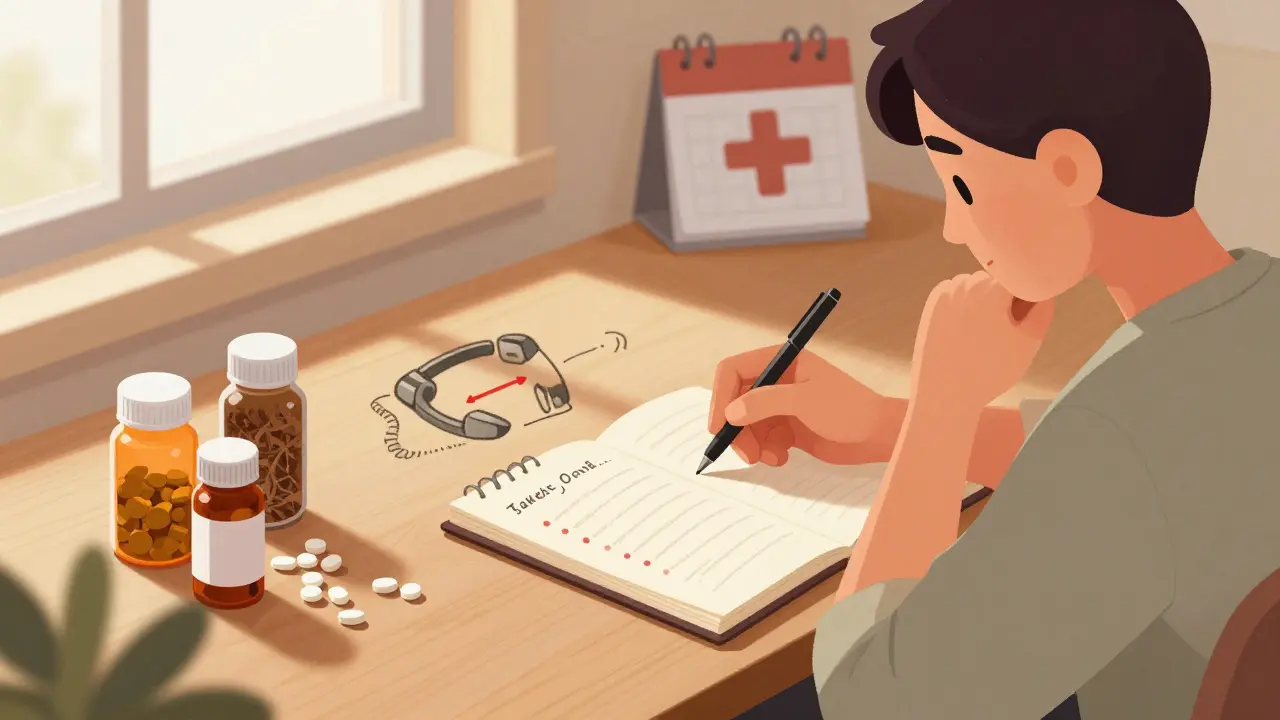
Addressing the Dietary Myth
A common misunderstanding persists that because the low-dose patch allows unrestricted diets, it allows unrestricted drugs. This is false. The lack of dietary restriction at the 6 mg dose refers specifically to tyramine-rich foods like aged cheeses or cured meats. It does not grant immunity from drug-drug interactions. Regulatory bodies have updated labeling recently to emphasize this distinction explicitly. Do not let the freedom to eat what you want make you careless about what else you put in your body.
Frequently Asked Questions
Can I take Tylenol with Selegiline Transdermal?
Generally, acetaminophen (Tylenol) is considered safe to use with Selegiline Transdermal. It does not significantly increase serotonin levels. However, always confirm with your prescribing physician, especially if using combination cold medicines that contain additional active ingredients.
How long do I wait after stopping the patch to take an SSRI?
You should wait at least 14 days after removing the last patch before starting an SSRI. If you are switching from Fluoxetine to the patch instead, you must wait a full 5 weeks after stopping Fluoxetine before applying the first patch.
Are there any herbal supplements I should avoid?
Yes, specifically St. John's Wort and tryptophan supplements. These have strong serotonergic effects and can trigger serotonin syndrome when combined with MAOIs. Always disclose supplement use to your healthcare team.
What happens if I accidentally take a contraindicated drug?
Do not panic immediately, but remove the patch right away if instructed by a professional. Seek emergency medical attention to monitor for symptoms of serotonin syndrome. Early intervention improves outcomes significantly.
Does the 6 mg dose have fewer risks than the 9 mg dose?
The 6 mg dose has less peripheral MAO-A inhibition, meaning fewer food restrictions. However, regarding serotonergic drugs, the risk remains significant at all therapeutic doses because central brain enzymes are still affected.
Rod Farren
April 2, 2026 AT 02:11The pharmacodynamics of irreversible monoamine oxidase inhibition are quite nuanced when considering transdermal delivery systems. Most practitioners understand that peripheral metabolism is bypassed entirely at lower doses. This significantly alters the typical dietary restrictions seen with oral isomers like Phenelzine. However central nervous system penetration remains the primary vector for clinical efficacy. You must appreciate that the enzyme regeneration half life dictates the washout window strictly. Serotonin transporter occupancy rates increase dramatically during acute loading phases. It is crucial to recognize that even minor serotonergic inputs can tip the scale toward toxicity. Clinicians often underestimate the latency period required for full enzymatic recovery after discontinuation. Pharmacokinetic modeling suggests a minimum two week clearance interval for standard antidepressants. Fluoxetine metabolites linger much longer due to hepatic processing pathways involved. Patients frequently overlook nonprescription sources containing dextromethorphan in their daily regimens. Tyramine sensitivity might remain low while serotonergic risk stays high simultaneously. We must emphasize the distinction between hypertensive crisis and serotonin syndrome clearly. Clinical vigilance requires constant monitoring of vital signs during transition phases. Any deviation from established protocols increases the probability of adverse outcomes significantly. Ultimately the safety profile depends entirely on strict adherence to these interaction guidelines.
Eleanor Black
April 2, 2026 AT 21:23I must respectfully acknowledge the comprehensive overview you have provided regarding the pharmacological mechanisms here. It is indeed imperative to maintain such vigilance when managing complex psychotropic regimens in clinical practice. The potential for iatrogenic harm is unfortunately quite prevalent in modern psychiatric care scenarios today. We must always ensure that our patients are fully informed before proceeding with any treatment plan adjustments whatsoever. The concept of the washout period is particularly critical when switching between classes of medication specifically. Your mention of the specific metabolism of Fluoxetine is something I recall from my earlier studies extensively. It truly is remarkable how these chemical interactions can manifest so rapidly once the threshold is crossed clinically. We ought to encourage a culture of transparency among healthcare providers to prevent such incidents from occurring. I personally find it reassuring to have such detailed documentation available for public reference now. Thank you for bringing attention to these often overlooked but significant medical details :) It remains the responsibility of the individual to verify every substance they introduce into their system regularly. Furthermore, family members play a vital role in monitoring these changes during the initial phase of therapy too. Communication channels should remain open between all prescribing physicians to ensure continuity of care properly. The documentation of adverse reactions helps build a safer database for future patient treatments eventually. We should prioritize patient safety above convenience or cost considerations in every instance possible. Your summary highlights the necessity of rigorous adherence to these established medical guidelines consistently.
Rocky Pabillore
April 3, 2026 AT 03:02Most people just ignore the warnings anyway.
Cullen Zelenka
April 4, 2026 AT 11:11We all try our best to manage these things carefully and safety should always come first in our health decisions.
It helps to know that doctors are working hard to make sure these patches stay safe for everyone who needs them.
Keeping track of your medications is a big step toward staying healthy and feeling better every single day.
Sharon Munger
April 4, 2026 AT 13:29its really important to talk to every specialist about what you are taking
i keep a printed list in my wallet just for this reason
helps avoid mistakes when i visit new clinics or pharmacies
Julian Soro
April 6, 2026 AT 03:19The washout timeline is definitely the part that catches people off guard sometimes
You really need to count back five weeks for Prozac specifically because of the active metabolite duration
This guide breaks down the table of forbidden combinations which is super useful for quick reference
Make sure your pill box or journal notes include this exact information for peace of mind
Staying proactive keeps you in control of your treatment journey forward
Arun Kumar
April 7, 2026 AT 15:53In many regions we see different brands for the same formulation but the safety rules remain identical globally
Sharing this knowledge helps protect communities who might not have immediate access to specialized guidance
Education empowers individuals to advocate for themselves during medical consultations effectively
We should support each other in understanding these complex medication requirements clearly
Grateful for resources like this that bridge gaps in patient education standards
Cara Duncan
April 7, 2026 AT 16:13I learned something new today because I didn't realize OTC cough syrup had those ingredients 😮
Always good to double check everything with your doctor before mixing anything up 🧐
Stay safe out there everyone ✨
James DeZego
April 7, 2026 AT 17:00Yes the cold meds are tricky because they seem harmless on the surface 😊
Dextromethorphan interacts directly with the serotonin pathway too so caution is essential 👍
I recommend checking the package insert whenever you buy anything over the counter 💡
Small steps like this can prevent serious issues down the road safely ✅