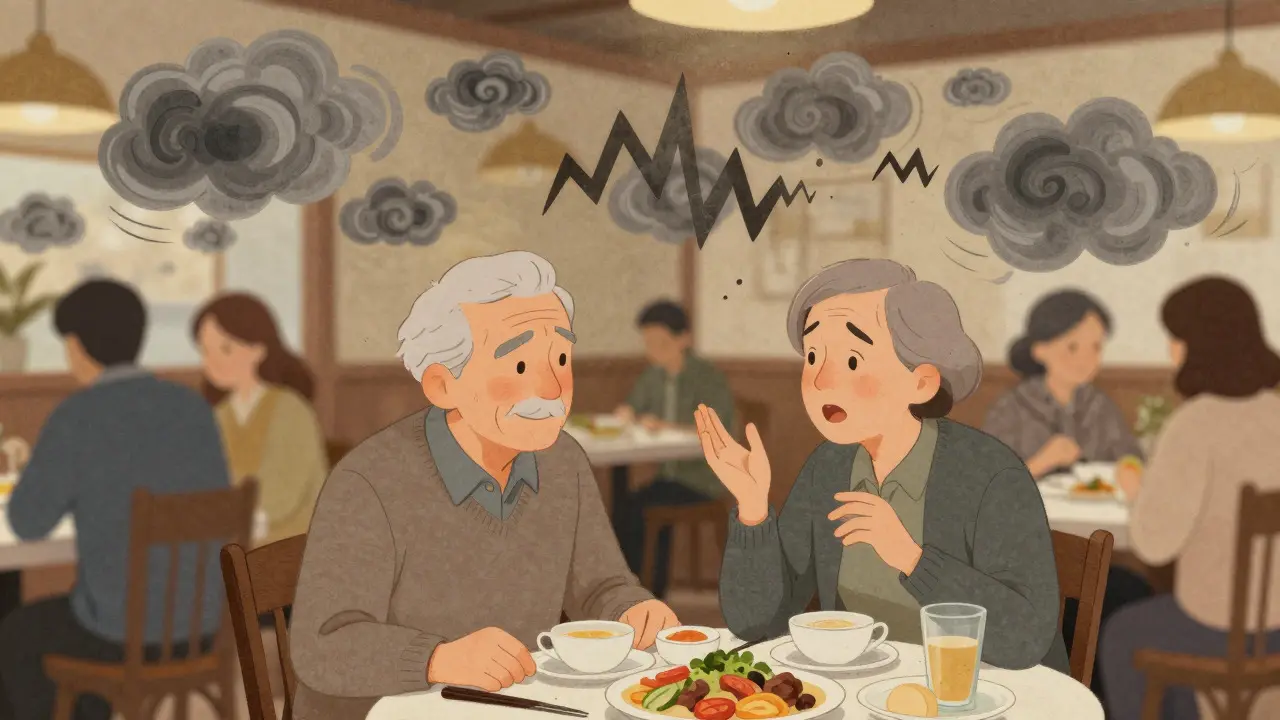
You walk into a crowded restaurant. The clatter of dishes and the hum of conversation used to be background noise you could tune out. Now, it’s a wall of static that drowns out your friend’s voice. You nod along, smiling, but you’re missing half the sentence. This isn’t just “getting old.” It might be sensorineural hearing loss, a condition defined by permanent damage to the inner ear structures or auditory nerve pathway.
Unlike conductive hearing loss, which involves blockages in the outer or middle ear and can often be fixed with surgery or medication, sensorineural hearing loss (SNHL) is typically irreversible. It accounts for roughly 90% of all hearing impairment cases requiring amplification. When the microscopic hair cells inside your cochlea die, they don’t grow back. Understanding what causes this damage, how to spot the early signs, and what realistic treatment options exist is crucial for managing your quality of life.
How Sensorineural Hearing Loss Works
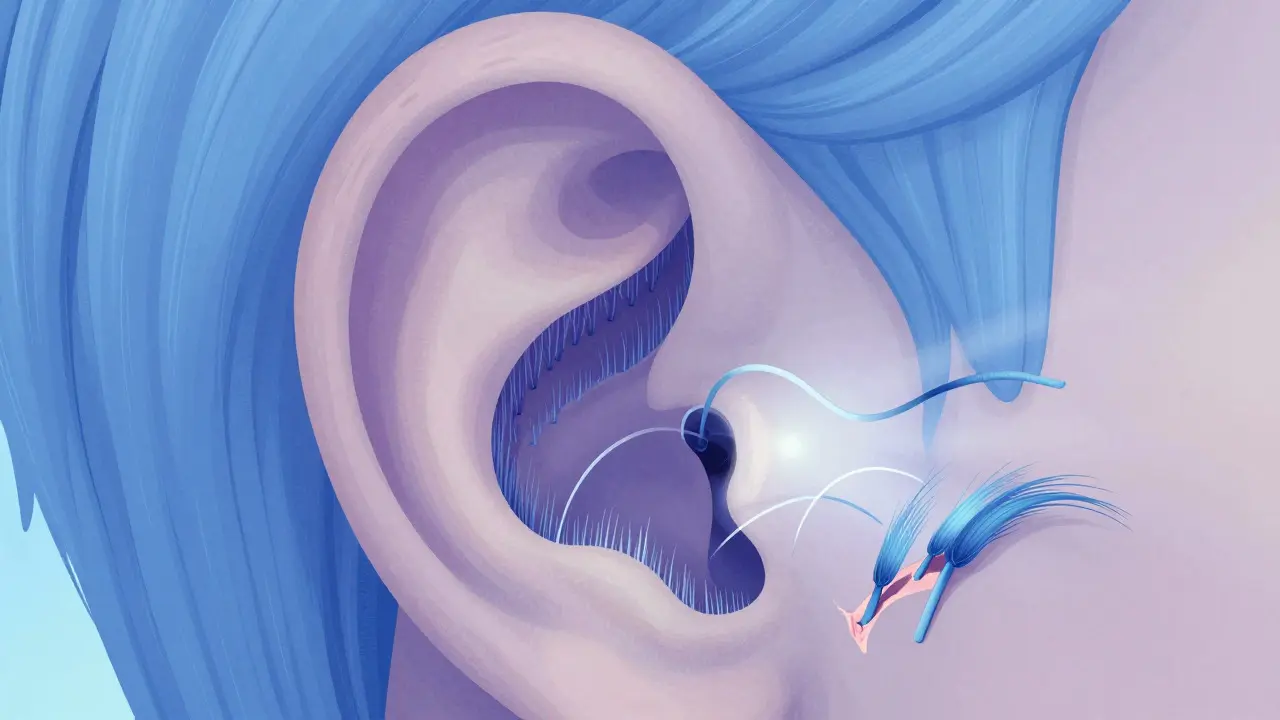
To understand why SNHL is so difficult to treat, you have to look at the machinery inside your ear. Sound waves travel down your ear canal and vibrate the eardrum. These vibrations move through three tiny bones in the middle ear before reaching the cochlea, a spiral-shaped organ in the inner ear filled with fluid and lined with thousands of microscopic hair cells.
Inside the cochlea, these hair cells-specifically the stereocilia-act like transducers. They convert mechanical sound vibrations into electrical signals that travel via the auditory nerve to your brain. There are two types of hair cells involved: inner hair cells, which send the signals to the brain, and outer hair cells, which amplify the sound. Damage usually starts with the outer hair cells. Once they are destroyed, whether by loud noise, age, or disease, the signal never makes it to the brain effectively.
The key distinction here is permanence. In conductive hearing loss, the problem is mechanical-a jammed gear. In SNHL, the problem is biological-a broken wire or a dead sensor. Because human body cannot regenerate these specific hair cells, the loss is considered permanent unless caught in very specific acute scenarios, such as sudden sensorineural hearing loss (SSHL).
Common Causes of Inner Ear Damage
What kills these delicate hair cells? The culprits vary, but some patterns emerge clearly in clinical data.
- Aging (Presbycusis): This is the most common cause. As we age, the hair cells naturally wear down. Statistics show that about 25% of Americans aged 65-74 and 50% of those over 75 experience significant hearing loss.
- Noise Exposure: Loud sounds physically shear off the stereocilia. Permanent injury can occur after just 8 hours of continuous exposure at 85 decibels-the volume of heavy city traffic or a lawnmower. Concerts, power tools, and headphones played too loud accelerate this process.
- Genetics: Some people inherit weaker hair cells or structural abnormalities in the cochlea, making them susceptible to hearing loss at a younger age.
- Ototoxic Medications: Certain drugs, including high-dose aspirin, specific antibiotics (like gentamicin), and some chemotherapy agents, can damage the inner ear as a side effect.
- Viral Infections: Diseases like measles, mumps, or even severe cases of the flu can trigger inflammation that damages the auditory nerve.
It’s also worth noting vascular issues. If blood flow to the cochlea is restricted due to heart disease or diabetes, the hair cells starve and die. This is why overall cardiovascular health is directly linked to hearing health.
Recognizing the Symptoms
SNHL rarely happens overnight (except in cases of sudden hearing loss). It creeps up on you. You might not realize you have a problem until someone else points it out. Here are the telltale signs:
- Difficulty understanding speech in noise: This is the hallmark symptom. About 87% of patients report struggling to follow conversations in restaurants or group settings. You can hear that people are talking, but the words sound muffled or indistinct.
- Tinnitus: Ringing, buzzing, or hissing in the ears affects up to 80% of people with SNHL. It’s often the brain’s attempt to compensate for missing input frequencies.
- Recruitment: This is a weird phenomenon where soft sounds are inaudible, but loud sounds become painfully intense. A whisper is lost, but a shout hurts. This happens because the damaged hair cells lose their ability to regulate volume sensitivity.
- Dizziness or balance issues: Since the inner ear also controls balance, damage to the cochlea can sometimes affect the vestibular system, leading to vertigo.
If you find yourself turning up the TV volume higher than others prefer, asking people to repeat themselves frequently, or feeling socially isolated because listening is exhausting, it’s time to see an audiologist.
Diagnosis: What to Expect
An ENT specialist or audiologist will perform a series of tests to confirm SNHL and rule out conductive issues. The gold standard is pure-tone audiometry.
In this test, you listen to tones at different frequencies (pitch) and volumes (loudness) through headphones. The results are plotted on an audiogram. For SNHL, the audiogram typically shows a gap between air conduction and bone conduction thresholds. Specifically, if bone conduction is better than air conduction by more than 15 decibels, it suggests a conductive issue. If both are equally poor, it points to sensorineural loss.
They may also use tympanometry to check the mobility of your eardrum and middle ear pressure. If the middle ear is healthy but hearing is still impaired, the diagnosis of SNHL is confirmed. Early diagnosis is critical, especially if the hearing loss is sudden. Sudden SNHL is a medical emergency; treating it within 48-72 hours with corticosteroids can lead to recovery in 32-65% of cases. After two weeks, the window for effective medical intervention largely closes.
Treatment Options: Managing Permanent Loss
Since the damage is permanent, there is no “cure” in the traditional sense. However, management strategies have advanced significantly. The goal is rehabilitation-helping your brain interpret sound again.
| Technology | Best For | Pros | Cons |
|---|---|---|---|
| Hearing Aids | Mild to Severe SNHL | Non-invasive, improves speech clarity, reduces tinnitus | Does not restore normal hearing, struggles in extreme noise, costly ($2,500-$7,000/pair) |
| Cochlear Implants | Severe to Profound SNHL | Bypasses damaged hair cells, direct nerve stimulation, high speech recognition rates | Surgical implantation required, intensive rehab needed, residual hearing may be lost |
| OTC Hearing Aids | Mild to Moderate SNHL | Affordable, accessible without prescription | Limited customization, fewer features for complex environments |
Hearing Aids remain the primary solution for most people. Modern digital aids are sophisticated computers that analyze sound in real-time. They can amplify specific frequencies where you’ve lost hearing (often 2000-8000 Hz in age-related loss) while compressing loud sounds to prevent discomfort. Brands like Widex and Phonak offer AI-driven noise reduction, helping to isolate voices in busy rooms. However, manage your expectations: hearing aids improve speech recognition by 30-50% in noisy environments, but they won’t make hearing “perfect.”
Cochlear Implants are for those who get little benefit from hearing aids. Instead of amplifying sound, they bypass the damaged hair cells entirely. An external processor picks up sound, converts it to digital codes, and sends it to an internal electrode array implanted in the cochlea. This directly stimulates the auditory nerve. About 82% of recipients achieve open-set speech recognition, meaning they can understand conversation without lip-reading. But it’s a major commitment: surgery, a 3-4 week healing period, and 6-12 months of auditory therapy to retrain the brain.
Living with Sensorineural Hearing Loss
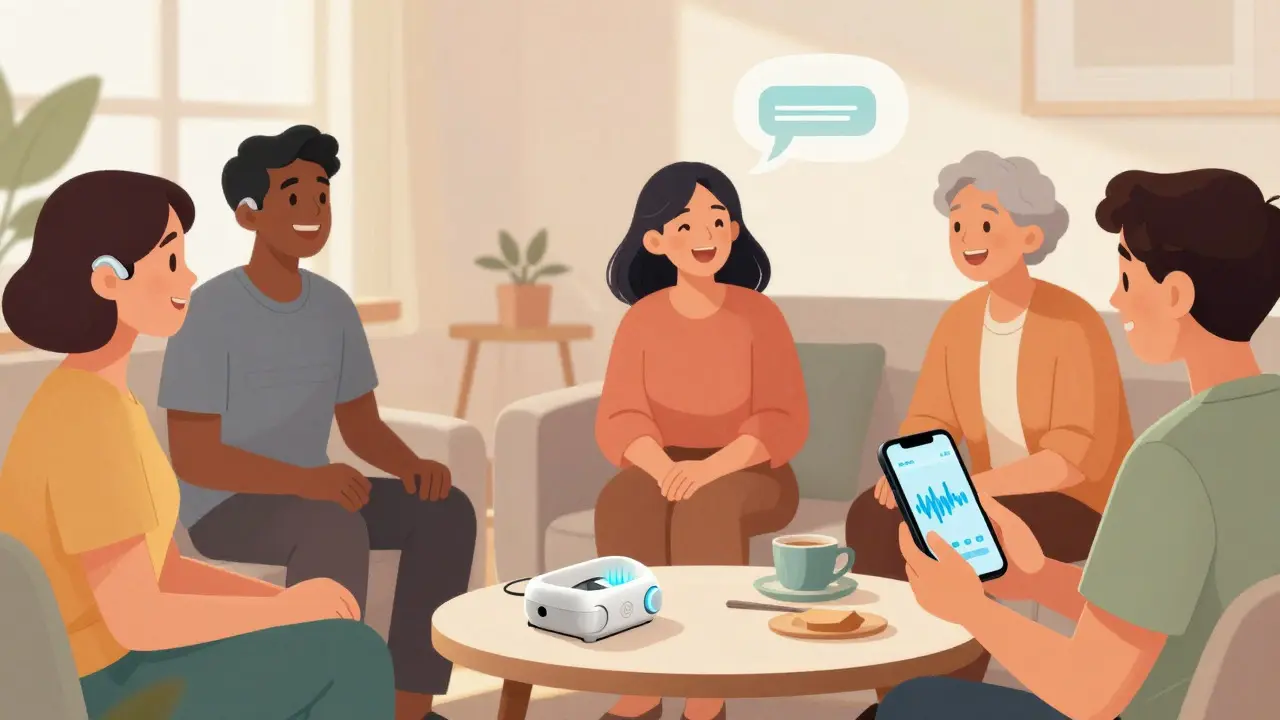
Adapting to hearing loss is a psychological and physical journey. New users of hearing aids often face a 4-8 week learning curve. Your brain has been deprived of certain sounds for years; suddenly reintroducing them can feel overwhelming. Common initial complaints include the “occlusion effect” (hearing your own voice echo) and feedback whistling. These issues are usually fixable with adjustments.
Consistency is key. Wear your devices daily, even when alone, to help your brain stay engaged with sound. Maintenance matters too: clean the microphone ports regularly, change batteries as needed, and protect your devices from moisture.
Don’t underestimate the value of community support. Organizations like the Hearing Loss Association of America (HLAA) offer workshops and local chapters where you can share experiences. Many users report that connecting with others who understand the struggle reduces feelings of isolation.
Future Outlook: Is a Cure Coming?
Research is moving fast. Scientists at Stanford Medicine and other institutions are exploring stem cell therapies to regenerate hair cells. While promising, experts caution that clinical applications are likely 5-10 years away. Gene therapy is another frontier, targeting genetic forms of hearing loss.
In the meantime, technology continues to improve. Over-the-counter (OTC) hearing aids, approved by the FDA in 2017, have made mild-to-moderate SNHL management more affordable and accessible. Direct-to-consumer brands are capturing market share by offering streamlined fitting processes via smartphone apps.
While we wait for biological cures, protecting your remaining hearing is vital. Use earplugs in loud environments, keep headphone volumes below 60%, and schedule regular hearing check-ups. Sensorineural hearing loss is permanent, but with the right tools and mindset, it doesn’t have to define your life.
Is sensorineural hearing loss always permanent?
In most cases, yes. Damage to the inner ear hair cells or auditory nerve is irreversible. However, sudden sensorineural hearing loss (SSHL) can sometimes be reversed if treated immediately with corticosteroids within 48-72 hours of onset. Chronic SNHL due to aging or noise exposure is generally permanent.
Can hearing aids cure sensorineural hearing loss?
No, hearing aids do not cure hearing loss. They amplify sound to make it audible, but they cannot repair damaged hair cells. They are a management tool that helps improve communication and quality of life.
What is the difference between conductive and sensorineural hearing loss?
Conductive hearing loss involves problems in the outer or middle ear (e.g., wax buildup, infection) that block sound transmission. It is often temporary and treatable. Sensorineural hearing loss involves damage to the inner ear or nerve pathways and is typically permanent.
When should I consider a cochlear implant?
Cochlear implants are recommended for individuals with severe-to-profound sensorineural hearing loss who receive limited benefit from powerful hearing aids. A thorough evaluation by an otologist and audiologist is required to determine candidacy.
Does tinnitus mean I have sensorineural hearing loss?
Tinnitus (ringing in the ears) is strongly associated with SNHL, affecting up to 80% of patients. However, tinnitus can also result from other conditions like TMJ disorders or head injuries. An audiological exam is needed to confirm the underlying cause.
How much do hearing aids cost in 2026?
Traditional prescription hearing aids range from $2,500 to $7,000 per pair, depending on technology level and brand. Over-the-counter (OTC) options are significantly cheaper, often costing between $200 and $1,500, though they offer less customization.
Morikeoluwa Ayodeji
August 3, 2026 AT 17:22Hey everyone! Just wanted to drop a quick note about the OTC hearing aids mentioned here. I've been testing a few models recently and honestly, for mild loss, they are a game changer. You don't need to sit in an audiologist's office for hours. Just pair it with your phone, run the test, and you're good to go. It’s empowering to take control of your own health like that.
Dennis Leeftink
August 4, 2026 AT 13:55You guys really think those cheap plastic toys work? Please. The article clearly states they have limited customization. If you have any real noise issues or complex loss patterns, those things will just amplify the static until you want to throw them out the window. Stick to prescription gear if you actually care about hearing properly.
John Divers
August 5, 2026 AT 04:52It is worth noting that while prescription aids offer more features, the gap is narrowing. Many find the accessibility of OTC options outweighs the marginal benefit of professional fitting for simple cases.
Michelle Alavaski
August 6, 2026 AT 05:57The pharmaceutical industry would prefer you believe you need their expensive devices. However, one must consider if the 'customization' is merely a marketing construct designed to extract wealth from the vulnerable. The human ear is resilient; perhaps we are over-medicating our perception of silence.
Ambria St louis
August 7, 2026 AT 09:12I completely agree with the sentiment regarding accessibility!,, but also,, let us not forget the importance of professional guidance for severe cases.,, It is a delicate balance between empowerment and safety.,, We must remain vigilant in our choices.,
Traci Bobbitt
August 9, 2026 AT 00:26Look, I’ve got a cochlear implant so I know how this stuff works. The article says 82% get open-set speech recognition, but that’s with therapy. Most people skip the therapy part. So yeah, don’t expect magic overnight. It’s hard work. But it’s better than nothing.
jackie healey
August 9, 2026 AT 04:09That is such a valuable perspective!,, Thank you for sharing your experience.,, It is important to highlight the rehabilitation aspect because many underestimate the mental effort required.,, Consistency is truly key in this journey.,, Keep up the great advocacy!
Lilith Stepanyan
August 9, 2026 AT 22:42People always focus on the tech and ignore the biology. The fact that hair cells don’t regenerate is the real tragedy here. We’re patching up a broken system instead of fixing the root cause. It’s frustrating how much money goes into amplification rather than regeneration research.
Josh Atkinson
August 11, 2026 AT 07:42Well, hello there! :D It is absolutely true that regeneration research is slow, but let us not be too harsh on the current solutions. Hearing aids have come a long way since the bulky boxes of the past. They are sophisticated computers now. And frankly, blaming the tech for not curing a biological limitation is a bit unfair. We should appreciate what we have while waiting for the future. :)
Sansaray Jones
August 13, 2026 AT 00:31i just wear earplugs at concerts now. saves me the hassle. the rest is just noise anyway.
Tegan Morey
August 14, 2026 AT 16:21Earplugs are definitely a smart move for prevention! I started using high-fidelity ones when I went back to playing music. They lower the volume without muffling the sound. Have you tried any specific brands? Curious to see what works best for live events.
Veronica Agbanyim
August 16, 2026 AT 04:35It is a moral imperative to protect our senses. When we expose ourselves to damaging noise levels without protection, we are being negligent with our own bodies. This negligence often leads to isolation later in life, which harms our communities. We must act with foresight and responsibility today to ensure we can connect with others tomorrow.
Fenton Quinn
August 16, 2026 AT 16:16Consider the long-term impact of early intervention.
Lilith Stepanyan
August 17, 2026 AT 21:38The article mentions sudden sensorineural hearing loss as an emergency. I had that happen last year. Went to the ER, got steroids, and kept most of my hearing. If you ever notice a sudden drop in one ear, do not wait. Go immediately. Time is literally hearing.