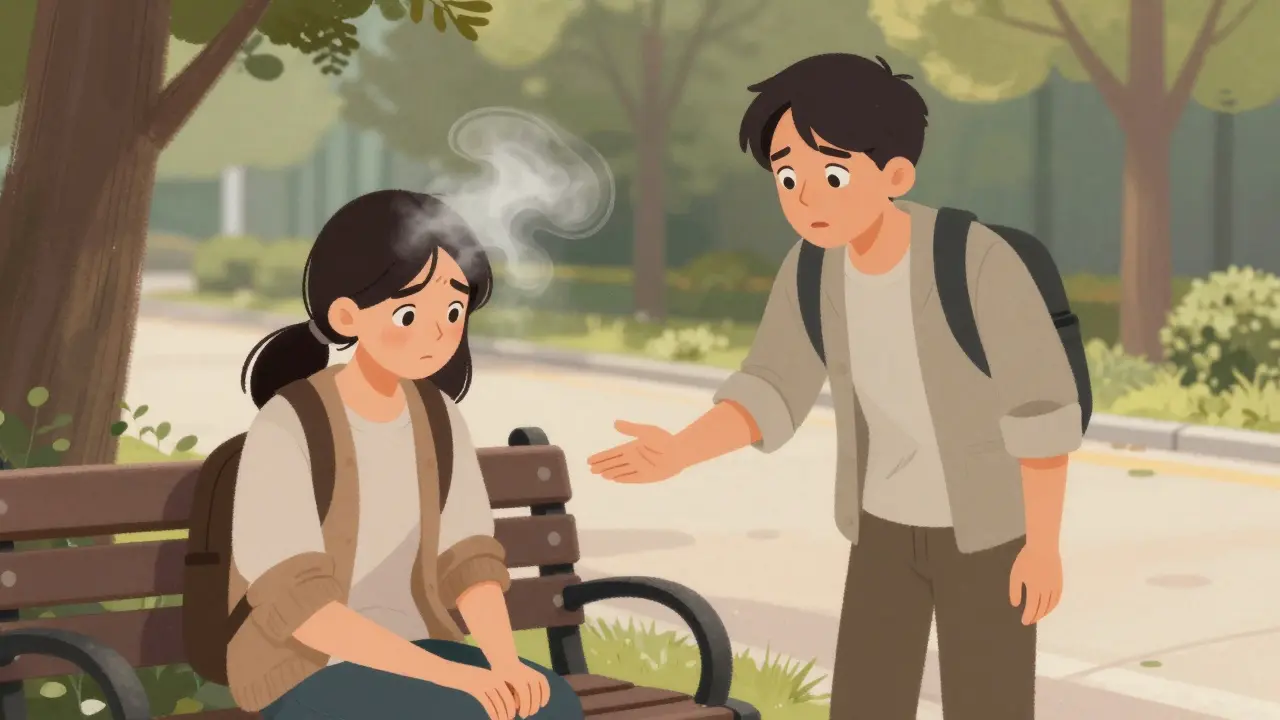
Recognizing the signs and symptoms of medication overdose is not just a medical skill; it is a life-saving necessity. Whether you are a parent, a student, or simply someone who cares about their community, knowing what to look for can mean the difference between tragedy and survival. An overdose occurs when a person consumes too much of a substance-be it prescription drugs, over-the-counter medications, or illicit substances-overwhelming the body’s ability to function. The consequences can be immediate and fatal, particularly when breathing stops or brain damage occurs due to oxygen deprivation.
General Warning Signs of an Overdose
Before diving into specific drug types, it is crucial to understand the universal red flags that apply to almost any overdose situation. These general symptoms often appear before more severe complications set in. If you notice these changes in someone’s behavior or physical state, do not ignore them.
- Nausea and Vomiting: This is one of the most common early signs, reported in nearly 78% of non-fatal overdoses. It indicates the body is trying to reject the toxin.
- Confusion and Agitation: The person may seem disoriented, paranoid, or hallucinating. They might not recognize where they are or who you are.
- Loss of Coordination: Stumbling, dizziness, or an inability to stand upright suggests the central nervous system is being suppressed or overstimulated.
- Severe Abdominal Pain: Cramping and stomach distress can accompany many types of drug toxicity.
- Chest Pain or Dizziness: These cardiovascular warnings signal that the heart is under significant stress.
If you see these signs, check the person’s responsiveness immediately. Are they awake? Can they answer questions clearly? If they are unresponsive but still breathing, the situation is critical and requires urgent medical attention.
Opioid Overdose: The Silent Killer
Opioids, including heroin, fentanyl, and prescription pain relievers like oxycodone, are responsible for the majority of overdose deaths. In 2022 alone, synthetic opioids were involved in over 80% of drug overdose fatalities in the United States. Recognizing an opioid overdose quickly is vital because respiratory arrest can occur within minutes.
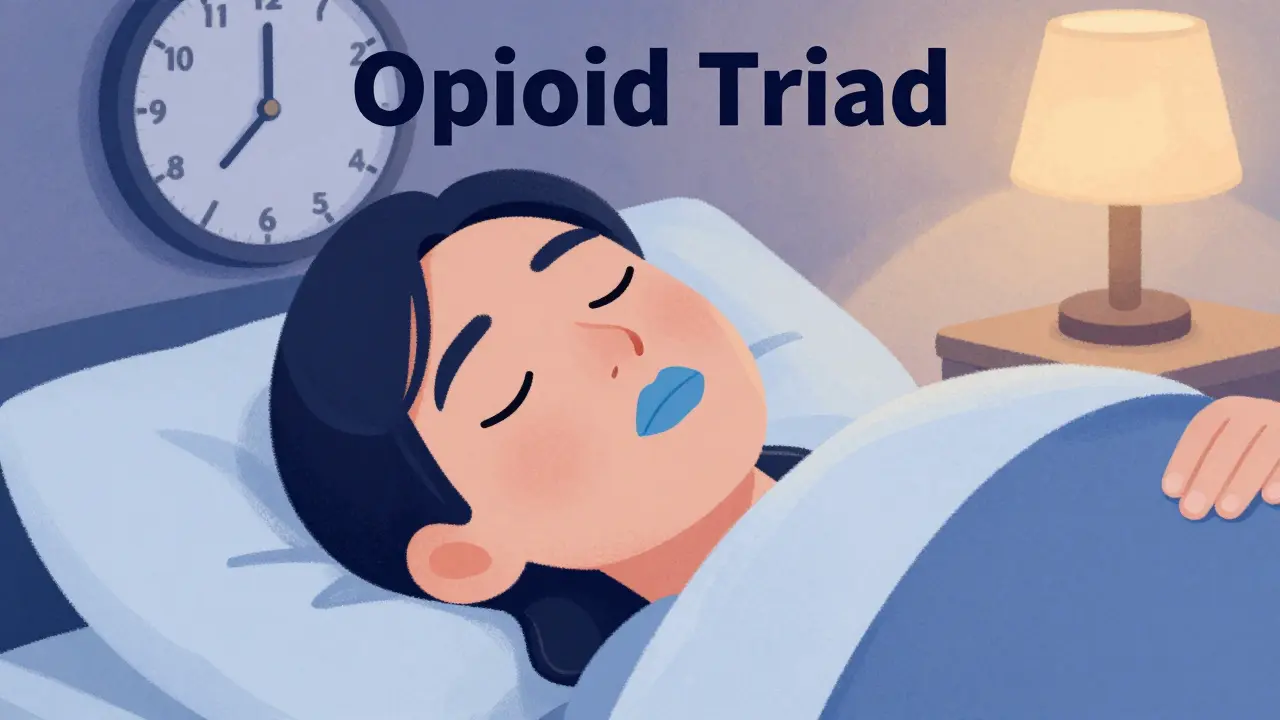
Medical professionals refer to the "Opioid Triad" as the definitive sign of an opioid overdose. Look for these three specific indicators:
- Pinpoint Pupils: The pupils constrict to a tiny diameter, often 1-2mm, regardless of lighting conditions.
- Unconsciousness: The person cannot be woken up, even with vigorous shaking or shouting.
- Respiratory Depression: Breathing becomes slow (less than 12 breaths per minute) or stops entirely. A gap of 10 seconds or more between breaths is a critical warning sign.
Other physical signs include blue or purple lips and fingernails (cyanosis), which indicate oxygen levels have dropped below 90%. You might also hear choking, gurgling, or loud snoring sounds as the airway relaxes. If you suspect an opioid overdose, time is your enemy. Every minute without oxygen increases the risk of permanent brain damage.
Stimulant and Depressant Overdoses
Not all overdoses present with slowed breathing. Stimulants like cocaine, methamphetamine, and certain prescription ADHD medications push the body into overdrive, while depressants like benzodiazepines and alcohol shut it down. Both scenarios are life-threatening but require different observations.
| Symptom Category | Stimulant Overdose | Depressant Overdose |
|---|---|---|
| Mental State | Agitation, paranoia, extreme anxiety | Profound drowsiness, confusion, slurred speech |
| Body Temperature | Hyperthermia (above 104°F/40°C) | Hypothermia (cold, clammy skin) |
| Heart Rate | Rapid, erratic pulse (tachycardia) | Slow pulse (bradycardia) |
| Blood Pressure | Hypertension (above 180 mmHg systolic) | Hypotension (low blood pressure) |
| Physical Risks | Seizures, stroke, cardiac arrest | Respiratory failure, aspiration from vomiting |
With stimulants, watch for seizures and chest pain. With depressants, especially alcohol, the greatest risk is aspiration-choking on vomit while unconscious. This accounts for nearly 58% of fatal alcohol overdoses. Never leave someone who has overdosed on depressants alone.
What to Do in an Emergency
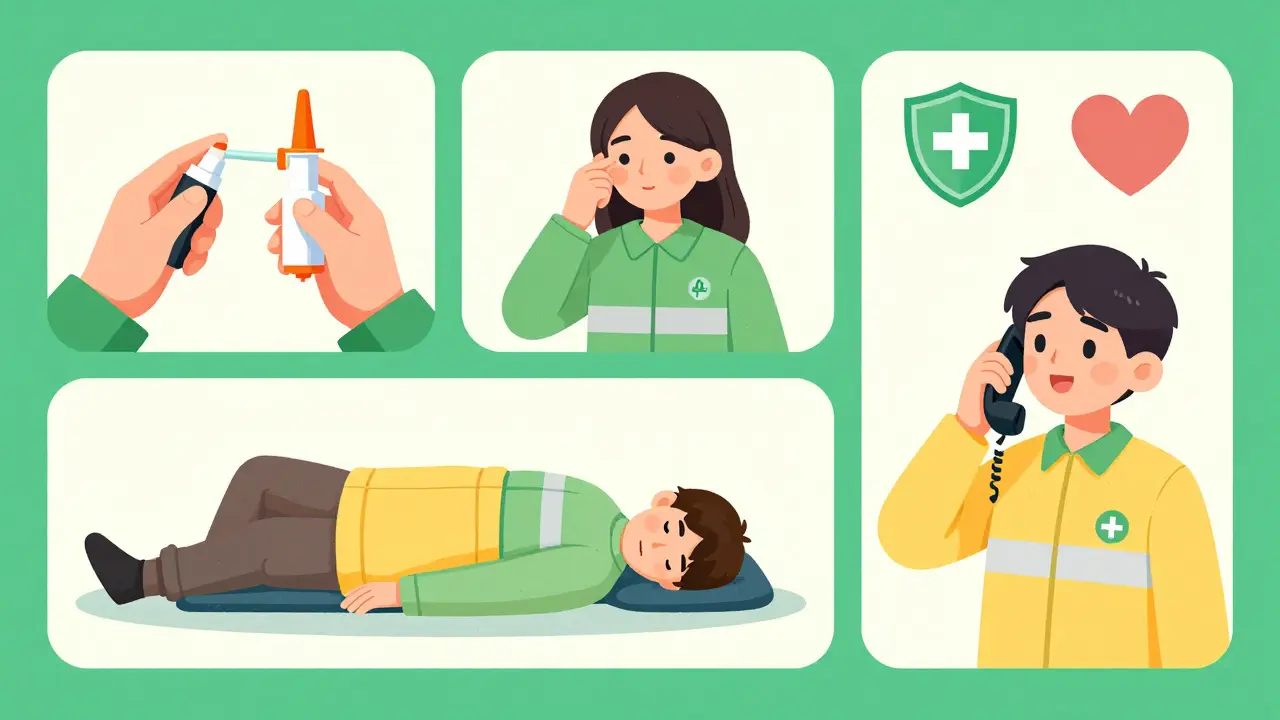
If you suspect an overdose, your actions must be swift and decisive. Panic helps no one. Follow these steps to maximize the chances of survival:
- Call Emergency Services Immediately: Dial 911 (or your local emergency number). Clearly state that you suspect an overdose. Mention if the person is not breathing or is unresponsive. Good Samaritan laws in many regions protect bystanders who call for help.
- Administer Naloxone if Available: If you suspect an opioid overdose and have Naloxone (NARCAN), administer it immediately. Nasal sprays deliver 4mg per dose and can reverse effects in 85% of cases if given within 2-3 minutes. Do not hesitate; giving naloxone to someone who hasn’t taken opioids will cause no harm.
- Place Them in the Recovery Position: If the person is unconscious but breathing, roll them onto their side. This keeps the airway open and prevents choking if they vomit.
- Stay with Them: Monitor their breathing until paramedics arrive. If they stop breathing again after initial naloxone administration, give another dose if available.
Avoid common myths. Do not try to make them "sleep it off." Do not put them in a cold shower or bath, which can lead to hypothermia. Do not attempt to induce vomiting unless instructed by a medical professional.
Prevention and Harm Reduction
Preventing an overdose starts with awareness and access to tools. Fentanyl test strips can detect the presence of fentanyl in other drugs with 97% accuracy at low concentrations. Using these strips allows individuals to adjust their consumption or avoid contaminated batches entirely. Additionally, never use drugs alone. Having a sober friend nearby who knows how to use naloxone significantly reduces mortality rates.
For those struggling with substance use disorder, resources are available. The SAMHSA National Helpline (1-800-662-4357) offers 24/7 confidential treatment referrals. Prevention is not just about avoiding drugs; it is about creating a safety net that includes education, testing, and immediate access to reversal agents like naloxone.
How long does it take for an opioid overdose to become fatal?
An opioid overdose can become fatal within minutes if breathing stops completely. Brain damage begins after just 4-6 minutes without oxygen. Immediate intervention with naloxone and CPR is critical during this window.
Can naloxone be used on someone who hasn't taken opioids?
Yes. Naloxone has no effect on people who have not taken opioids. It is safe to administer if you are unsure of the substance involved, as it poses no risk to non-opioid users.
What is the difference between an accidental and intentional overdose?
An accidental overdose occurs when someone takes too much of a substance unintentionally, often due to potency variations or mixing drugs. An intentional overdose is a deliberate act. Medically, the symptoms and emergency response are identical regardless of intent.
Why do pinpoint pupils indicate an opioid overdose?
Opioids stimulate the parasympathetic nervous system, causing the muscles around the iris to contract tightly. This results in very small pupils (1-2mm), known as miosis, which is a hallmark sign of opioid toxicity.
Is it legal to buy naloxone without a prescription?
In many places, including the United States, naloxone nasal spray (NARCAN) is available over-the-counter without a prescription. Check local pharmacy regulations for availability in your area.