What’s Changing in UK Pharmaceutical and Service Substitution?
If you’ve ever picked up a prescription at a pharmacy in the UK, you’ve likely noticed that the pill bottle doesn’t always match the brand name your doctor wrote down. That’s not a mistake; it’s part of the UK substitution laws designed to keep healthcare costs manageable while ensuring patients get effective treatment. But as we move through 2026, these rules are undergoing their most significant overhaul in decades. The landscape is shifting from simple drug swaps to a complex web of digital services and community-based care replacements.
The core idea remains the same: substitute expensive or unnecessary services with cheaper, equally effective alternatives. However, the mechanisms are changing drastically. The Human Medicines (Amendment) Regulations 2025, specifically Statutory Instrument 2025 No. 636, fundamentally altered how dispensing services operate. These regulations came into force on June 23, 2025, with key provisions like Regulation 9 taking effect on October 1, 2025. This isn't just bureaucratic tweaking; it represents a structural shift in who can provide medicines and how they reach patients.
At the heart of this change is the Department of Health and Social Care (DHSC), which now retains direct control over pharmaceutical policies following the abolition of NHS England as a separate entity in the 2025 reforms. With Integrated Care Boards (ICBs) reduced from 42 to 28 entities, the oversight has become more centralized, aiming for efficiency but raising questions about local responsiveness. Understanding these changes is crucial for patients, pharmacists, and providers alike, as the old ways of doing business are rapidly becoming obsolete.
Generic Drug Substitution: The Rules You Need to Know
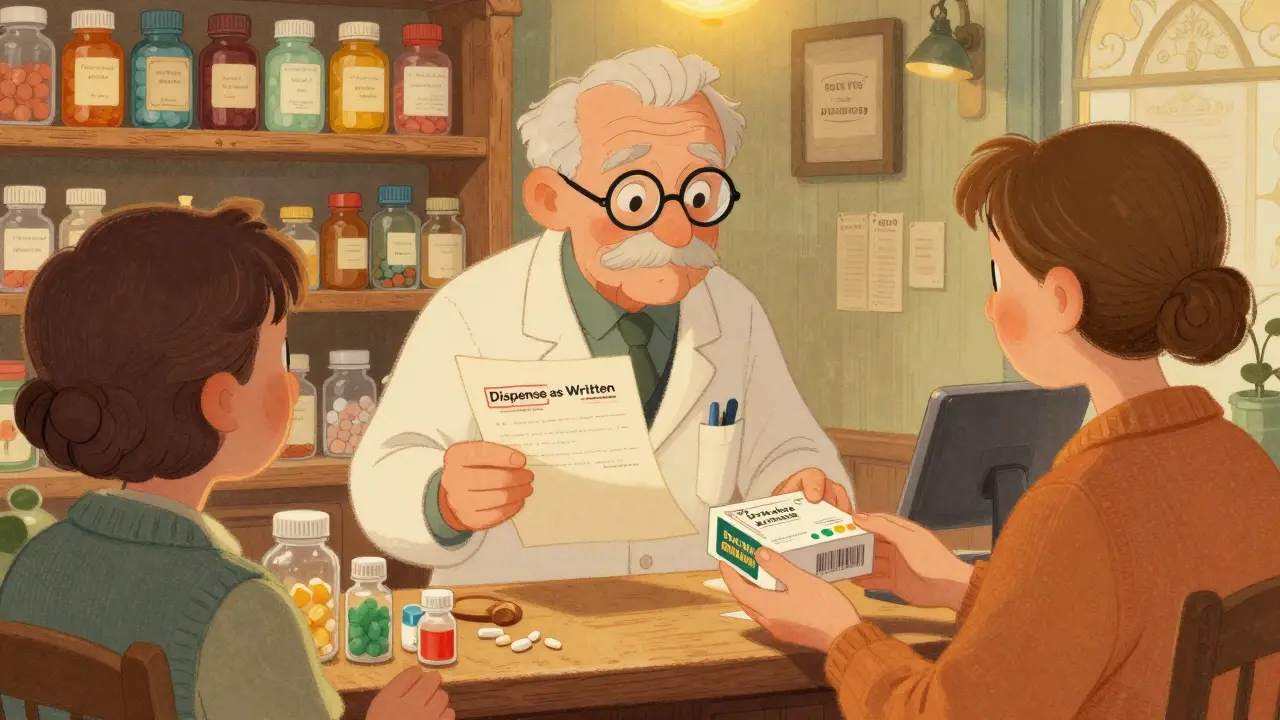
Pharmaceutical substitution is the practice of replacing a prescribed branded medicine with a generic equivalent. This has been standard practice for years under the Medicines Act 1968 and later refined by the NHS (Pharmaceutical Services) Regulations 2013. Under Regulation 33, pharmacists are mandated to substitute branded drugs with generics unless the prescriber explicitly marks the prescription as 'dispense as written' (DAW). This rule saves the NHS billions annually, as generic versions of drugs cost significantly less than their branded counterparts due to lower marketing and research recovery costs.
In 2026, the pressure to maximize these savings is higher than ever. The government is pushing for a 90% generic substitution rate for eligible medications, up from the previous average of 83%. This target is driven by the need to free up funds for other areas of healthcare, particularly community services. For patients, this means you will almost always receive a generic version of your medication unless there is a specific clinical reason otherwise. If you have a sensitivity to certain inactive ingredients found in some generics, you must inform your doctor or pharmacist so they can mark the DAW status correctly.
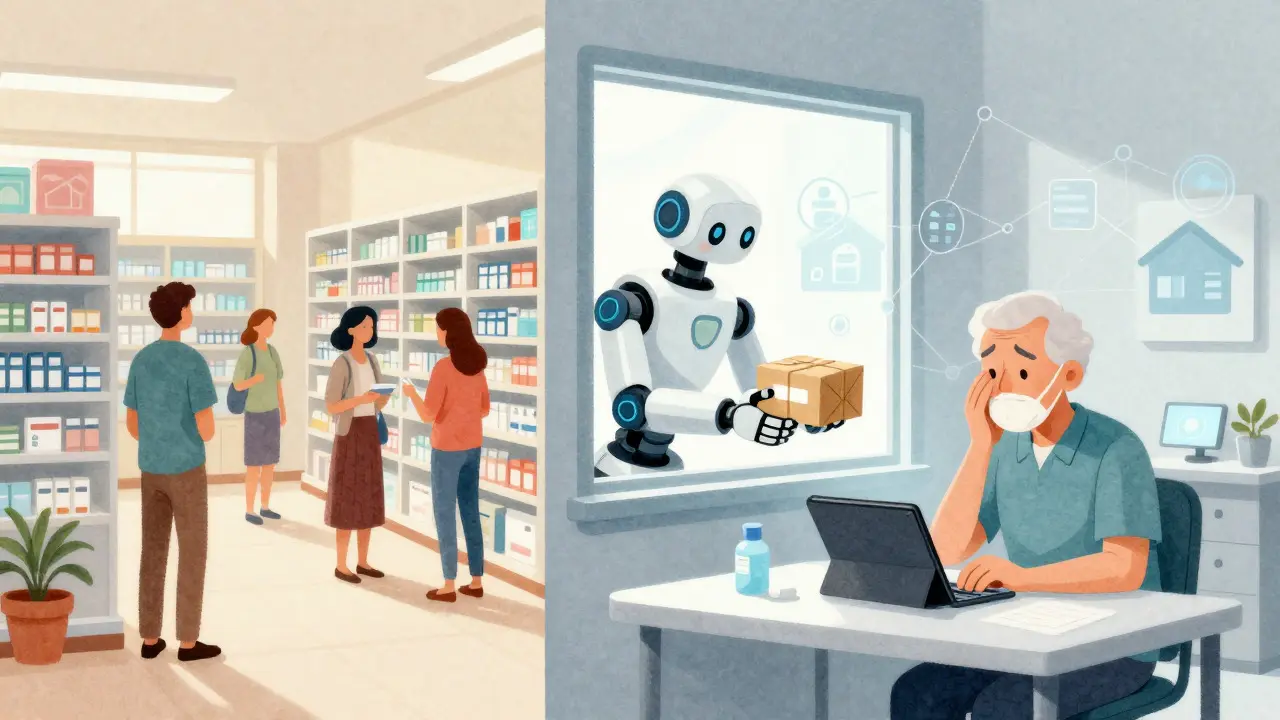
However, the definition of 'substitution' is expanding beyond just pills. The new regulations impact how pharmacies operate physically. Digital Service Providers (DSPs) are now required to deliver all NHS pharmaceutical services remotely rather than face-to-face on traditional pharmacy premises. This means the physical act of handing over a box of meds is being replaced by digital verification and delivery systems. While this increases convenience for many, it also raises concerns about patient engagement and safety checks that traditionally happened during face-to-face consultations.
| Aspect | Pre-2025 Policy | Post-2025 Reform (Current) |
|---|---|---|
| Oversight Body | NHS England | Department of Health and Social Care (DHSC) |
| Dispensing Model | Face-to-face in pharmacy | Remote via Digital Service Providers (DSPs) |
| Generic Target | ~83% substitution rate | 90% mandatory substitution rate |
| Market Entry Test | Exemptions available for DSPs | No exemptions; strict market entry tests |
| Tax Credits | NHS charge/travel exemptions included | Exemptions removed from April 5, 2025 |
The Shift to Remote Dispensing and Digital Services
One of the most controversial aspects of the 2025 reforms is the mandate for Digital Service Providers (DSPs) to operate remotely. Previously, new pharmacies could apply for exemptions from the normal market entry test if they demonstrated a unique value proposition. The Human Medicines (Amendment) Regulations 2025 removed these exemptions. Now, any new DSP must pass rigorous market entry tests to prove that their service adds value without fragmenting care. This aims to prevent a race to the bottom where quality is sacrificed for speed.
For existing contractors, the transition has been uneven. DSPs already on the pharmaceutical list had to continue applying for relocation or ownership changes under previous rules, creating a two-tier system during the transition period. Applications made before June 23, 2025, were determined under the old market entry test, leading to some legal challenges and confusion among smaller pharmacy chains. The British Pharmaceutical Industry survey from March 2025 highlighted that 79% of community pharmacies expressed concerns about these remote dispensing requirements. Many reported needing between £75,000 and £120,000 in technology investments to comply, a significant burden for independent operators.
The rationale behind this shift is efficiency and accessibility. By moving services online, the NHS hopes to reduce waiting times and make prescriptions more accessible to those with mobility issues. However, the human element of pharmacy care-where a pharmacist might notice a patient looks unwell or ask about side effects-is at risk of being diminished. Dr. Sarah Wollaston, former Chair of the Health and Social Care Committee, warned in the British Medical Journal that the current framework lacks sufficient safeguards for vulnerable populations. She cited a 12% increase in medication errors in the North West London ICB pilot program for remote dispensing services, suggesting that the digital leap may be too fast for some communities.
Service Substitution: Moving Care from Hospitals to Communities
Substitution isn't limited to drugs. The broader concept of service substitution involves shifting care from expensive hospital settings to cheaper community environments. The 2025 Mandate to NHS England explicitly directs the health service to move care 'from hospital to community, sickness to prevention, and analogue to digital.' This strategic pivot is central to the NHS's long-term sustainability plan.
A key metric for this shift is the reduction of emergency admissions for people aged 65 and over. The goal is a 15% reduction by 2026-27. To achieve this, acute hospital care is being substituted with proactive community support. Integrated Care Boards are developing local plans to help older people remain independent longer through timely, joined-up support. Age UK’s analysis of the 2025 mandate noted that while the intention is good, the implementation relies heavily on adequate workforce capacity, which is currently lacking in many areas.
Professor Sir Chris Whitty, Chief Medical Officer, endorsed this approach in his foreword to the 10 Year Health Plan. He stated that shifting 30% of hospital outpatient appointments to community settings by 2027-28 could reduce waiting lists by 1.2 million appointments annually. The logic is sound: minor follow-ups and chronic disease management do not require a hospital bed. Community diagnostic hubs, funded with £650 million in the 2025-26 budget, are intended to replace 22% of hospital-based diagnostic services by 2027. These hubs offer MRI scans, blood tests, and other diagnostics closer to home, reducing the strain on major hospitals.

Challenges and Risks in Implementation
Despite the clear benefits on paper, the practical implementation of these substitution laws faces significant hurdles. The NHS Confederation’s analysis of the 2025/26 operational planning guidance revealed that 68% of ICBs report insufficient workforce capacity to deliver the required service substitution. In rural areas, the problem is even more acute, with 42% of trusts lacking the necessary community infrastructure. Without enough nurses, physiotherapists, and community pharmacists, the promise of seamless care transitions becomes a hollow slogan.
Financial implications are also substantial. The DHSC allocated £1.8 billion in the 2025-26 budget for service substitution initiatives. However, the King’s Fund warns that without addressing the 28,000 workforce shortfall in community services, these substitutions could increase health inequalities by 12-18% in deprived areas. Evidence from the Greater Manchester Health and Care Partnership showed that initial substitution initiatives widened care gaps for vulnerable populations before targeted interventions were put in place. This suggests that a one-size-fits-all approach to substitution fails to account for local socioeconomic factors.
Patient feedback reflects this mixed reality. A verified nurse from Manchester Royal Infirmary shared on Reddit that virtual fracture clinics reduced unnecessary follow-ups by 40%, which is a positive outcome. However, she also noted that it created access issues for 15% of elderly patients who lacked digital literacy. This highlights a critical gap in the policy: assuming that digital substitution is universally accessible. For many older adults, the loss of face-to-face interaction is not just an inconvenience; it’s a barrier to receiving care.
Future Outlook: Where Are We Headed?
Looking ahead to 2030, the NHS 10 Year Plan anticipates that 45% of current hospital outpatient appointments will be substituted with community or virtual alternatives. This ambitious target requires an additional 15,000 community healthcare professionals. The Department of Health estimates a potential saving of £4.2 billion from optimized substitution practices if implementation challenges can be overcome. The Carr-Hill formula reform, scheduled for April 2026, aims to better target resources to areas with disproportionate economic and health challenges, potentially reshaping substitution priorities in deprived communities.
The Nuffield Trust’s forecast suggests that successful implementation could reduce NHS waiting lists by 35% within five years. However, they warn that failure to address workforce and infrastructure gaps could result in substitution initiatives increasing overall system costs by 7-10% due to care fragmentation and safety incidents. The balance is delicate. Substitution must be done right, with adequate training, technology, and human support, to realize its benefits.
As we navigate this new era of UK substitution laws, the focus must remain on patient outcomes. Whether it’s swapping a branded drug for a generic or moving a consultation from a hospital to a community hub, the end goal is the same: better, more accessible, and sustainable healthcare. For patients, staying informed about these changes and advocating for your needs is more important than ever. If you feel a substitution is affecting your care, speak to your provider. Your voice matters in shaping how these policies work in practice.
Can my doctor stop me from getting a generic drug?
Yes. If your doctor believes a branded drug is clinically necessary, they can mark the prescription as 'dispense as written' (DAW). This instructs the pharmacist not to substitute the medication with a generic equivalent. You should discuss this with your doctor if you have had adverse reactions to generic versions in the past.
What happens if my local pharmacy closes due to new regulations?
With the push for Digital Service Providers (DSPs), some physical pharmacies may close or shift to remote models. If your local pharmacy closes, you will likely be directed to a nearby alternative or a digital service that delivers prescriptions. The market entry tests aim to ensure that no area is left without access to pharmaceutical services, but transition periods can cause temporary disruptions.
How does service substitution affect hospital waiting lists?
Service substitution aims to reduce hospital waiting lists by moving non-emergency care to community settings. For example, routine check-ups and diagnostics are handled in community hubs rather than hospitals. Professor Sir Chris Whitty estimates this could reduce waiting lists by 1.2 million appointments annually by shifting 30% of outpatient appointments to community settings.
Are remote dispensing services safe for elderly patients?
Safety is a concern. While remote dispensing offers convenience, studies have shown a 12% increase in medication errors in some pilot programs. Elderly patients may struggle with digital interfaces or miss out on face-to-face advice from pharmacists. Safeguards are being developed, but families should monitor elderly relatives closely when switching to remote services.
When did the new substitution laws come into effect?
The Human Medicines (Amendment) Regulations 2025 came into force on June 23, 2025. Key provisions regarding Digital Service Providers took effect on October 1, 2025. Tax credit changes related to NHS charges were implemented on April 5, 2025. These dates mark the beginning of the new regulatory framework for pharmaceutical and service substitution.