Category: Medical Information - Page 2
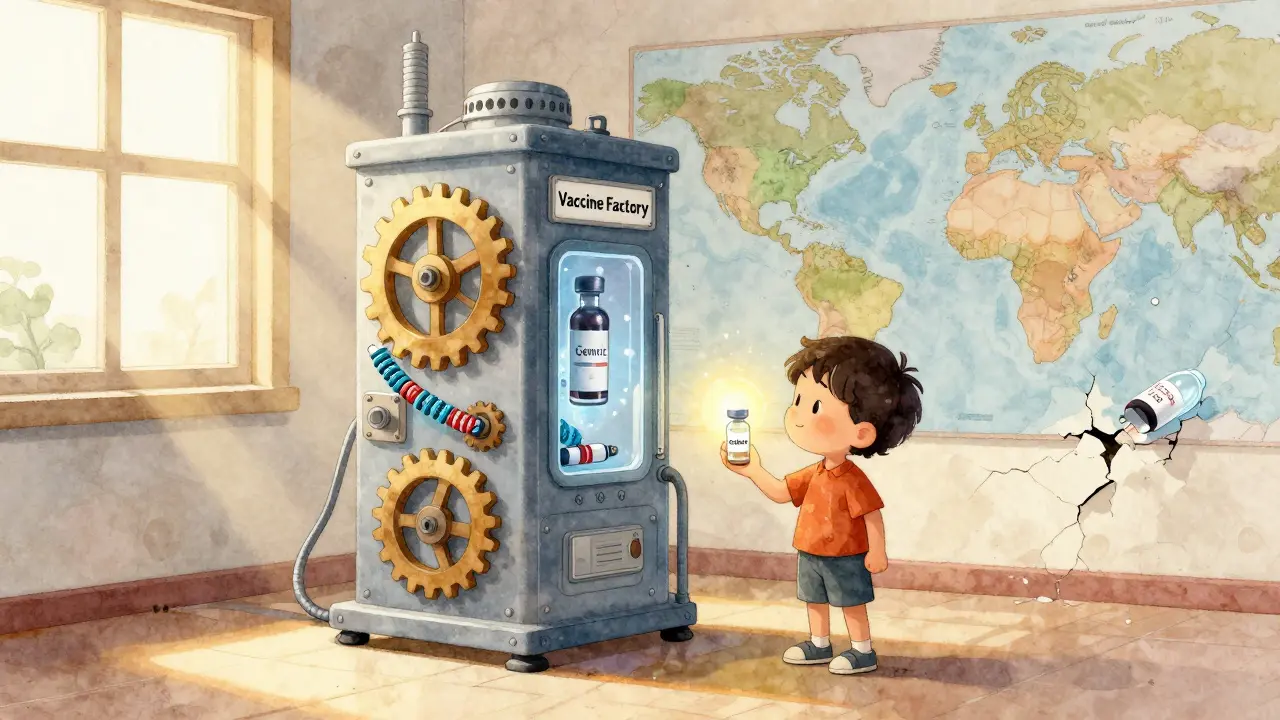
Vaccine Generics: How International Production and Access Inequities Persist
Vaccine generics don't exist like drug generics do - complex biology, high costs, and global supply chains leave low-income countries dependent on imports. This is why access remains unequal.
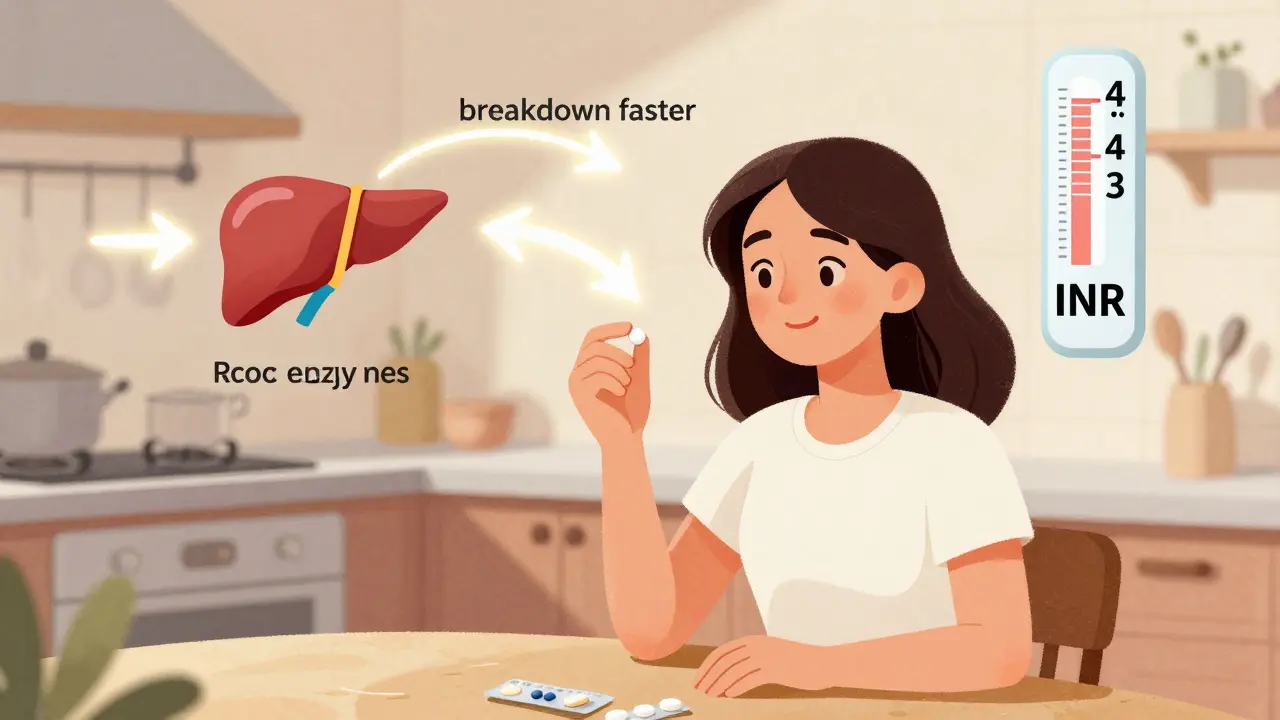
Estrogen Interactions with Warfarin: What You Need to Know About Drug Effects and INR Changes
Estrogen can raise or lower your INR when you're on warfarin - sometimes in unpredictable ways. Learn how birth control, HRT, and genetics affect your blood thinner, and what steps to take to stay safe.
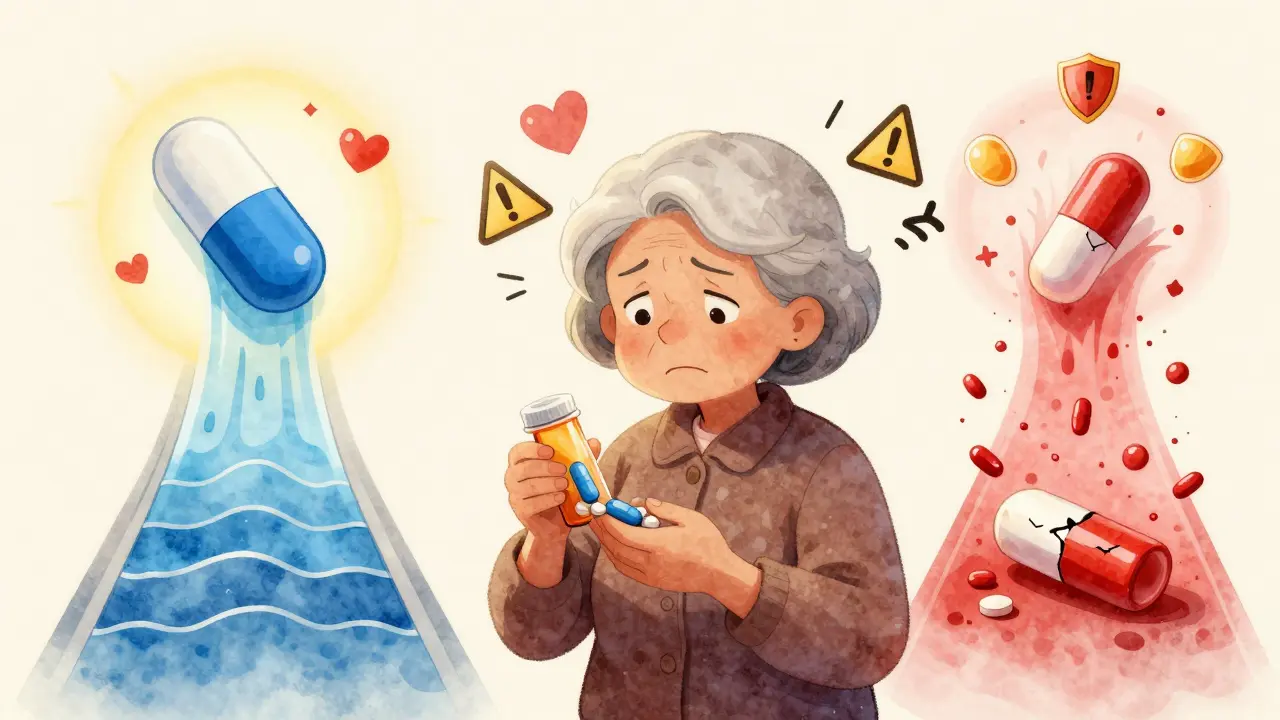
Splitting Doses: How Lowering Peak Drug Levels Can Reduce Side Effects
Splitting medication doses can reduce side effects by lowering peak drug levels-but only for certain drugs. Learn which medications are safe to split, the risks of improper splitting, and how to do it safely with expert-backed guidelines.
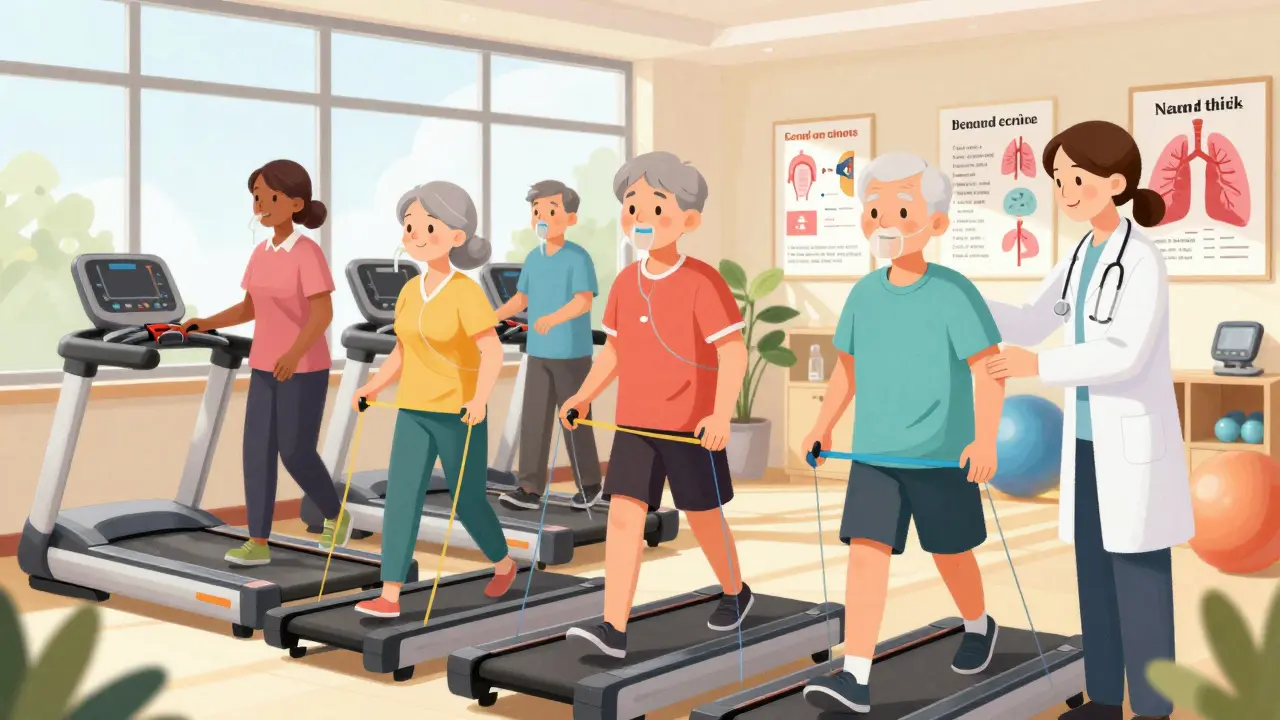
Pulmonary Rehabilitation for Chronic Lung Disease: What It Is and How It Helps
Pulmonary rehabilitation is a proven, structured program that helps people with chronic lung disease improve breathing, strength, and quality of life through exercise, education, and support. It works better than medication alone and is recommended for all major lung conditions.
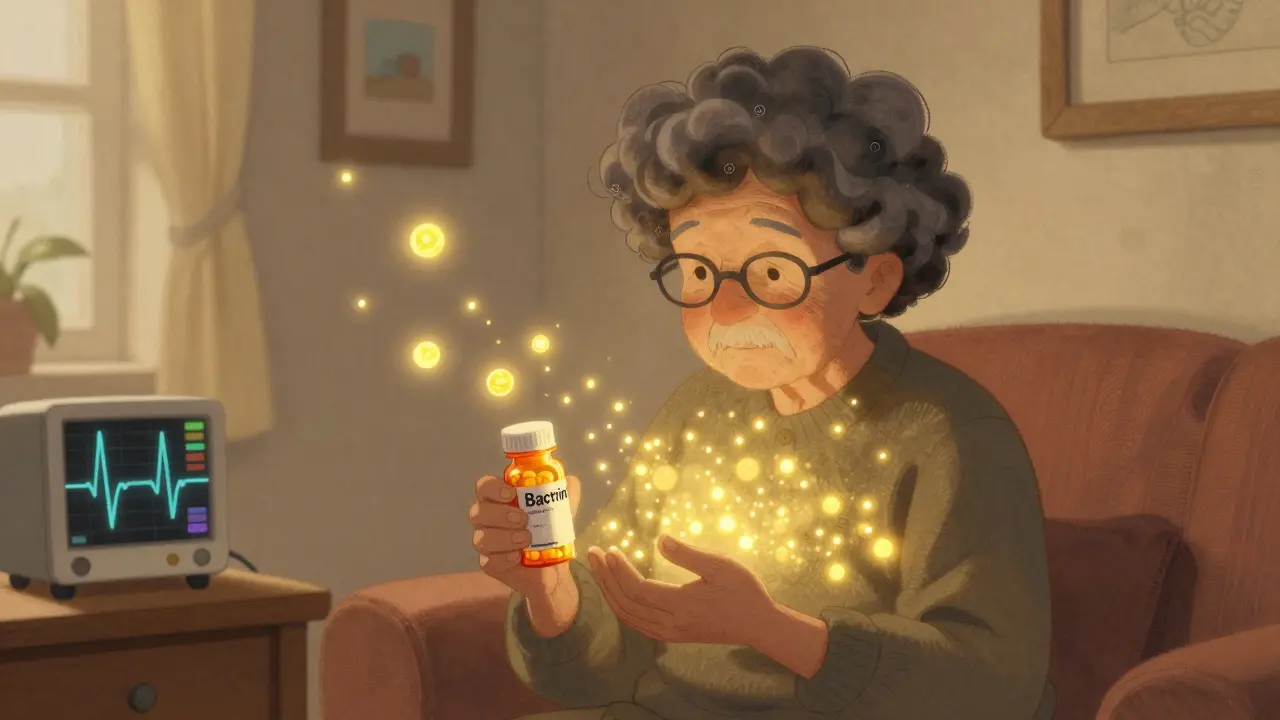
Trimethoprim and Potassium Levels: How This Antibiotic Raises Hyperkalemia Risk
Trimethoprim in antibiotics like Bactrim can cause dangerous spikes in potassium levels, especially in older adults and those on blood pressure meds. Learn who's at risk, how it happens, and what to do to stay safe.

Cancer Pain Management: Opioids, Nerve Blocks, and Integrative Care
Cancer pain management combines opioids, nerve blocks, and integrative therapies to improve quality of life. Learn how the WHO ladder works, why nerve blocks are underused, and how acupuncture and mindfulness can reduce opioid dependence.
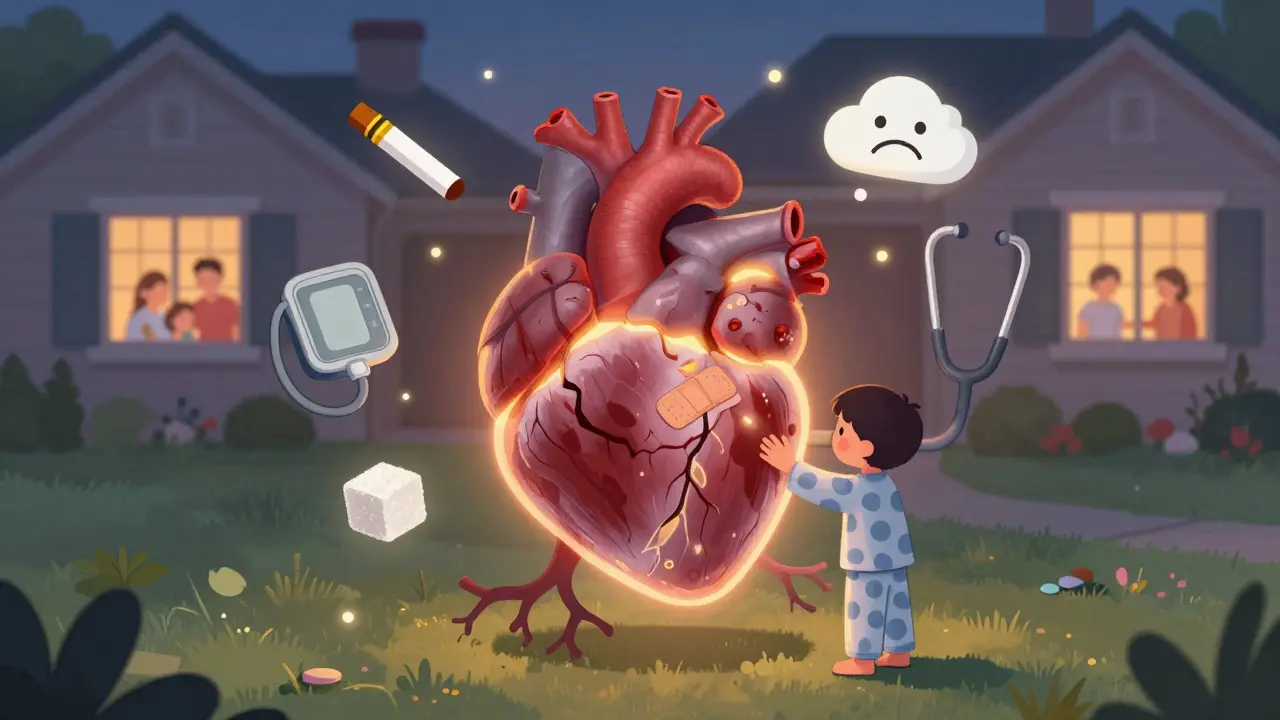
Cardiovascular Disease: Understanding Heart Attacks, Stroke, and Vascular Conditions
Cardiovascular disease kills 800,000 Americans yearly. Learn how heart attacks, stroke, and vascular conditions are linked-and what actually works to prevent them. Evidence-based, practical, and urgent.

Child and Adolescent Depression: Family Therapy vs. Medications
Family therapy and medications like fluoxetine and escitalopram are evidence-based treatments for adolescent depression. Learn which approach works best, when to combine them, and what to expect in real-world settings.
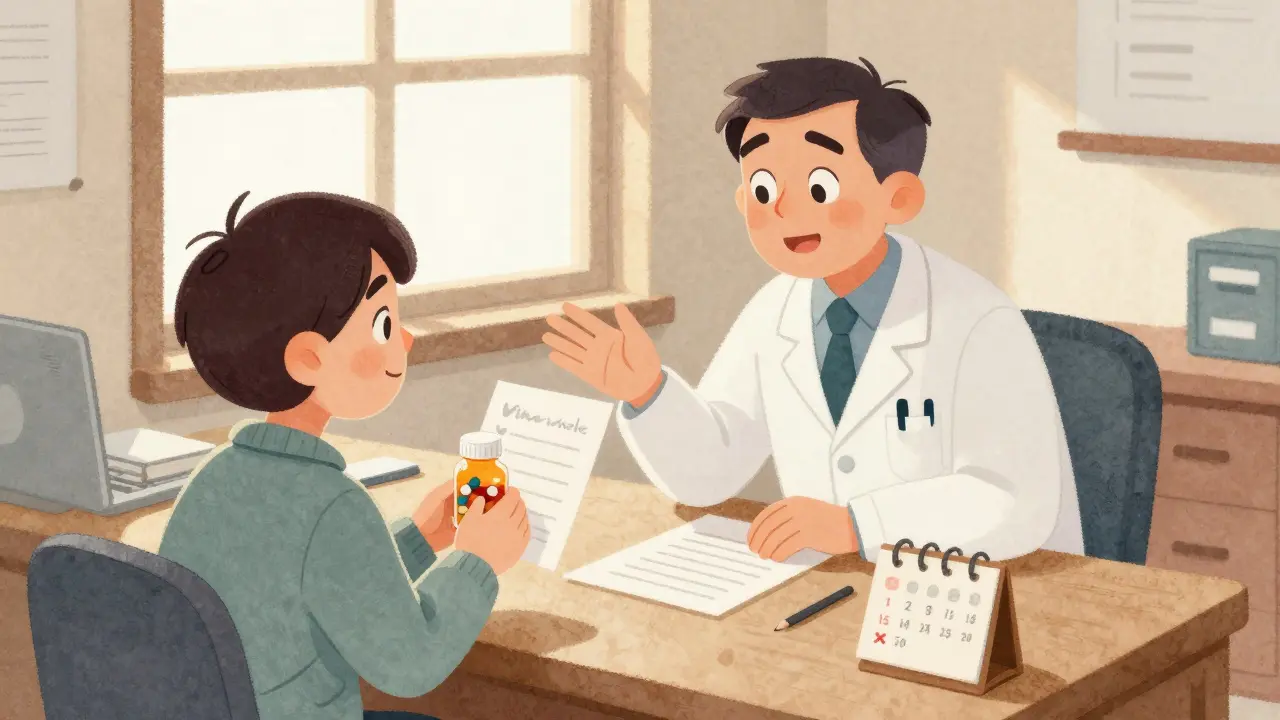
How to Talk to Your Doctor About Taking Your Medications Correctly
Talking openly with your doctor about taking your meds can cut hospital visits and save your life. Learn how to start the conversation, what to say, and why it matters more than you think.
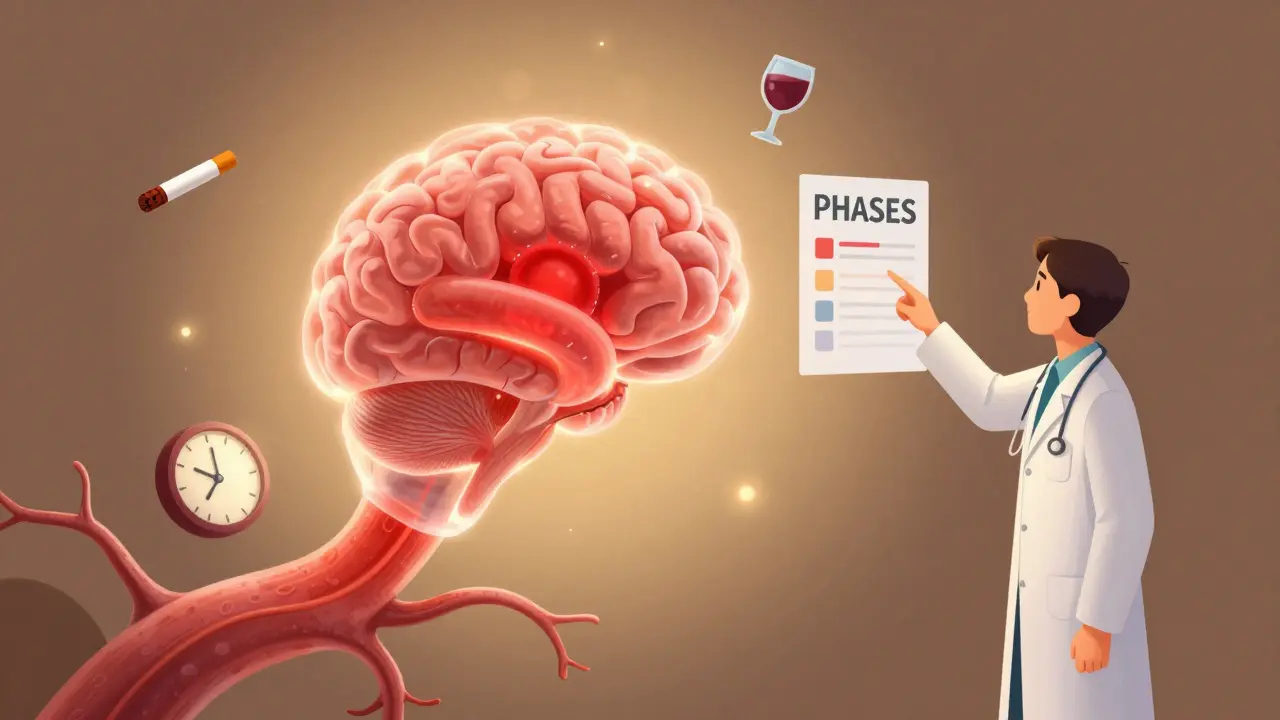
Cerebral Aneurysm: Rupture Risk and Treatment Options
Learn what increases the risk of a cerebral aneurysm rupturing and the proven treatment options available today-from clipping and coiling to flow diversion. Understand your personal risk and what steps can save your life.
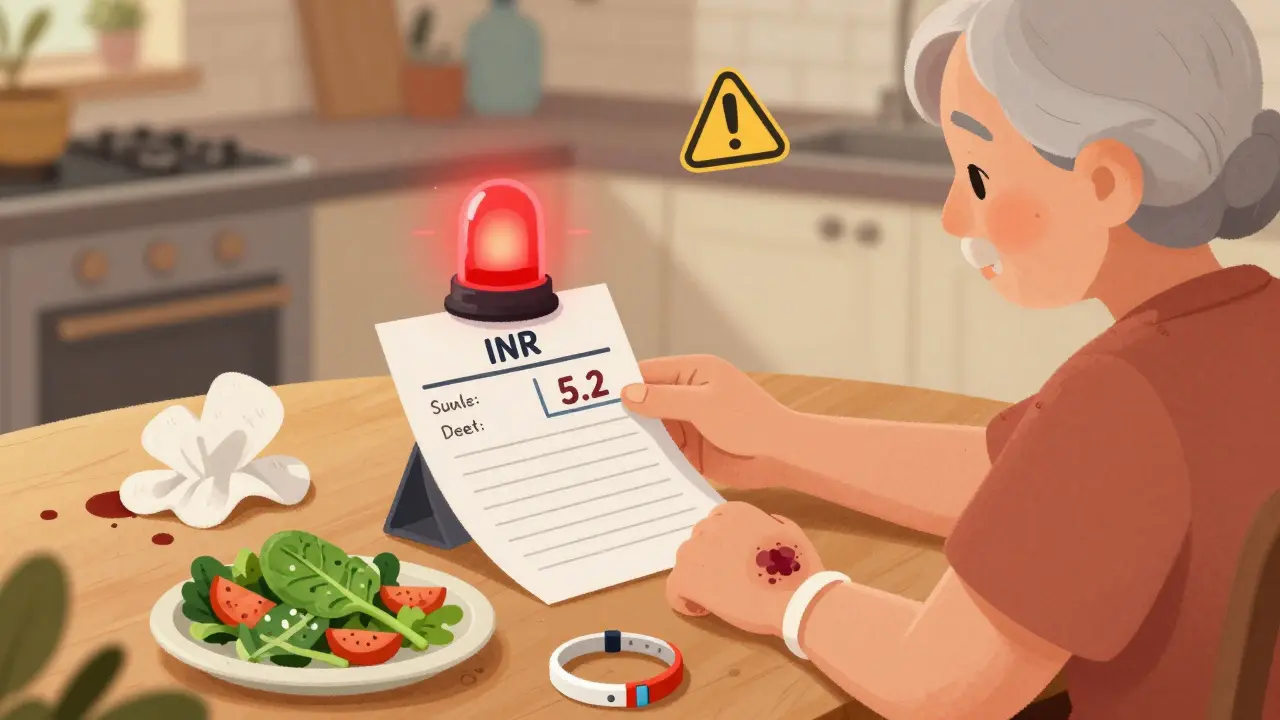
Warfarin Side Effects and Bleeding Risks: What You Must Know as a Patient
Warfarin is a powerful blood thinner that prevents clots but carries serious bleeding risks. Learn the warning signs, daily safety tips, and what to do if you bleed - all based on current medical guidelines.
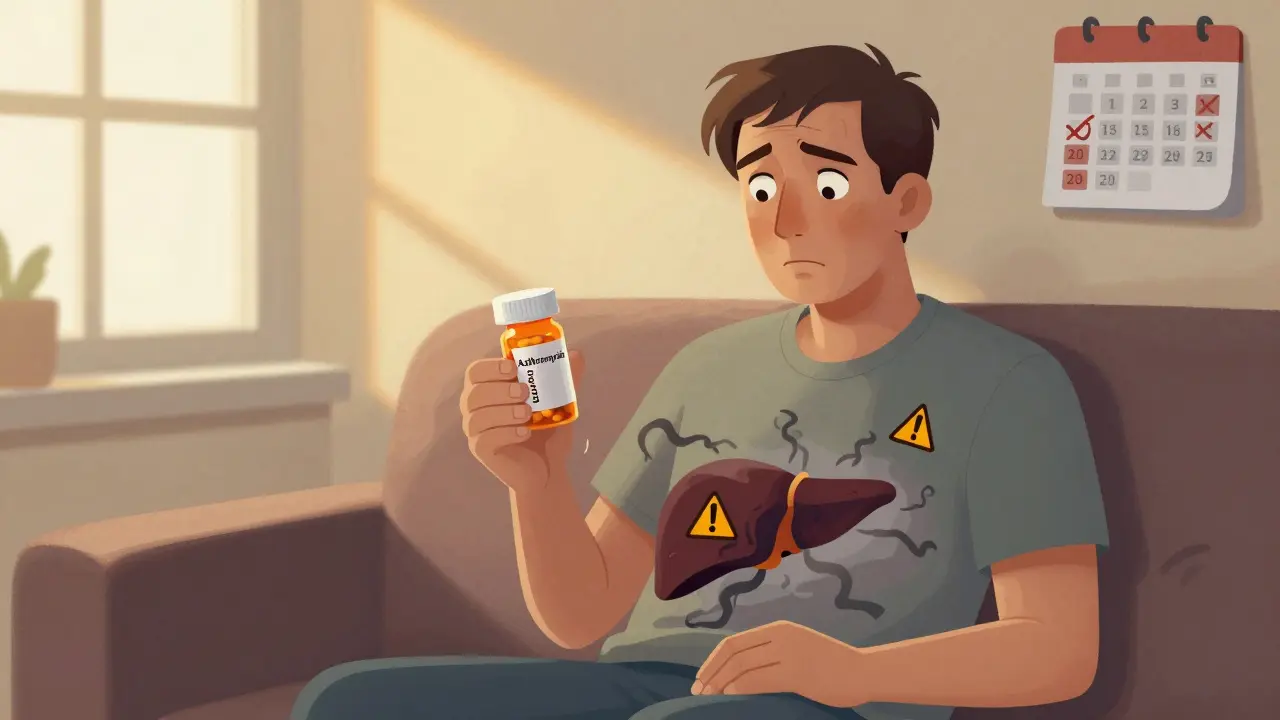
Azithromycin and Liver Disease: What You Need to Know About Hepatotoxicity Risks
Azithromycin is widely prescribed but can cause serious liver damage, often appearing weeks after treatment ends. Learn the signs, risks, and what to do if you're taking it.