SmartDesign Pharma - Page 3
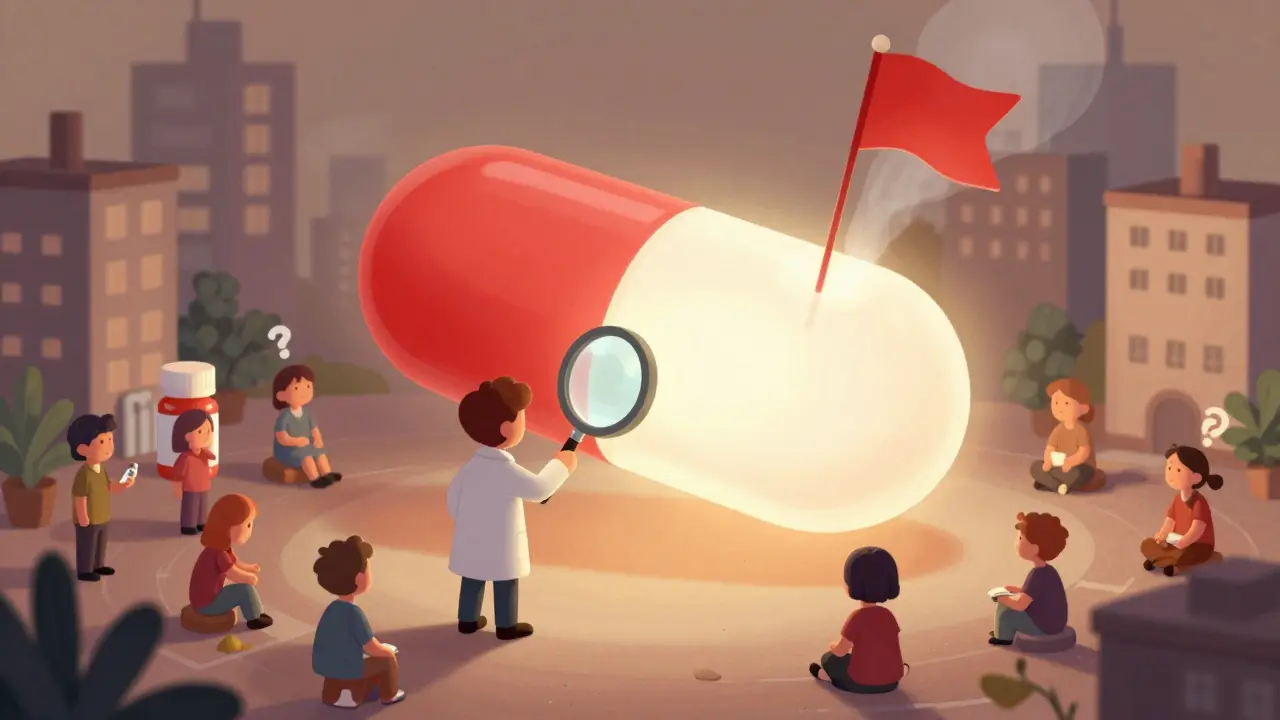
Drug Safety Signals and Clinical Trials: How Hidden Risks Emerge After Approval
Drug safety signals reveal hidden risks that clinical trials miss. Learn how real-world data, statistical tools, and human expertise uncover dangers after a drug hits the market - and why this process is critical for public health.
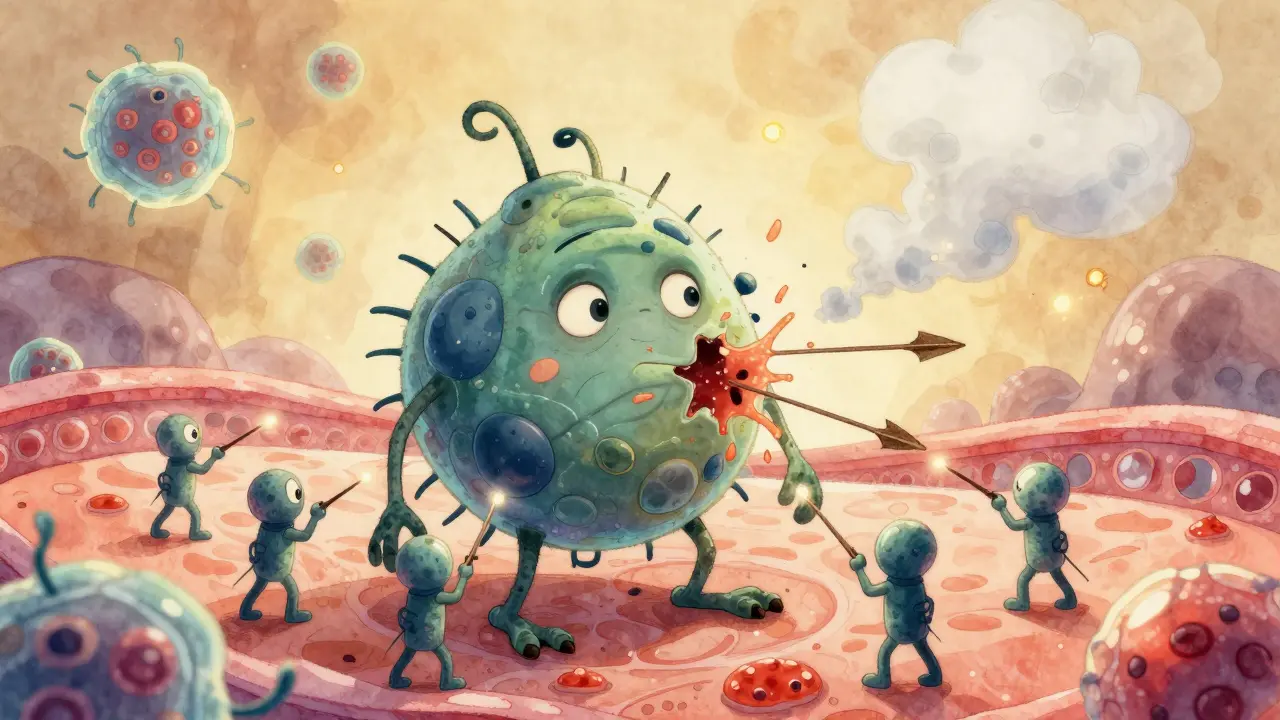
Antibiotics for Bacterial Infections: Classes and How They Work
Antibiotics fight bacterial infections by targeting specific parts of bacterial cells. Learn the four main classes - beta-lactams, tetracyclines, macrolides, and fluoroquinolones - how they work, when they’re used, and why misuse leads to dangerous resistance.
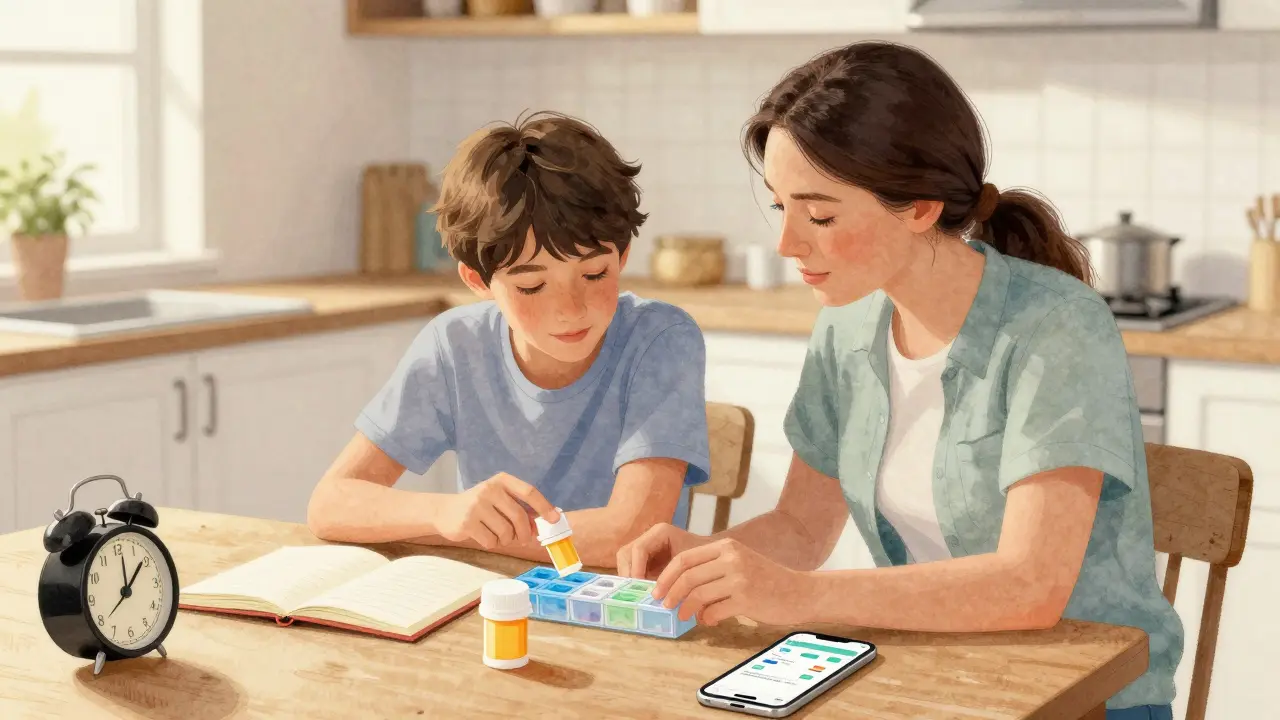
How to Teach Teens to Manage Their Own Prescription Medications
Teach teens to manage their own prescriptions with a step-by-step approach that builds responsibility, reduces misuse, and prepares them for adult health care. Start in 10th grade with routines, tools, and open communication.
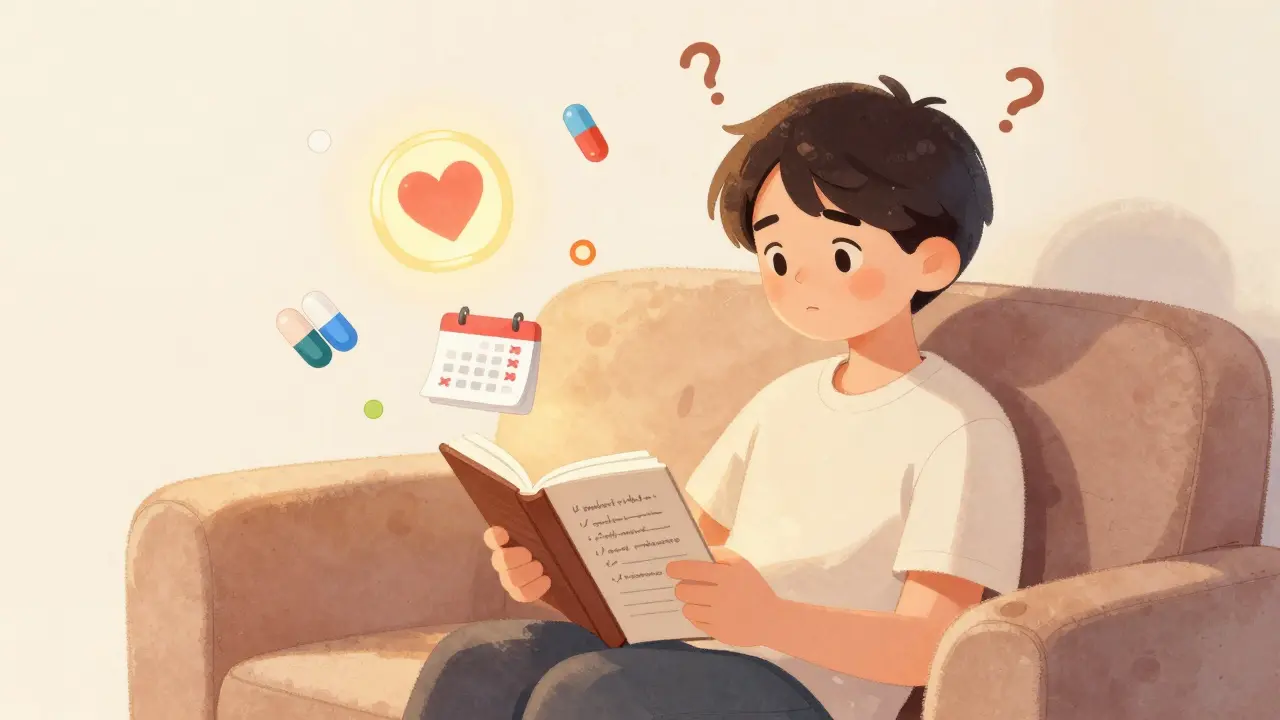
When to Seek a Second Opinion About Medication Side Effects
Knowing when to seek a second opinion about medication side effects can prevent serious health risks. Learn the red flags, timing tips, and how to prepare for a second medical review to get better care.
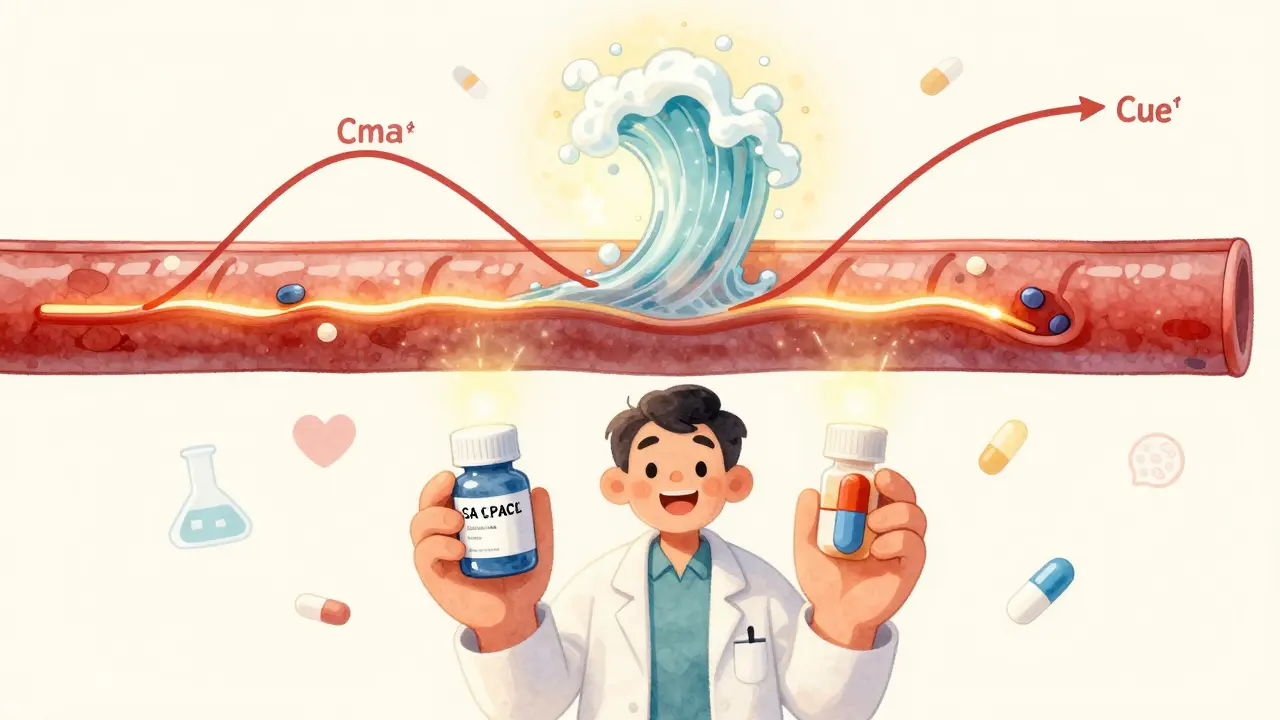
Generic Absorption Rates: How They Must Match Brand Drugs to Be Safe and Effective
Generic drugs must match brand-name absorption rates within strict FDA limits to be approved. Learn how bioequivalence testing ensures they work the same - and why patient concerns often don't reflect the science.

Alcohol and Weight Loss: How Calories, Appetite, and Strategy Affect Your Results
Alcohol can sabotage weight loss by adding empty calories, increasing appetite, and slowing fat burning. Learn how to drink smarter or cut back for real results.
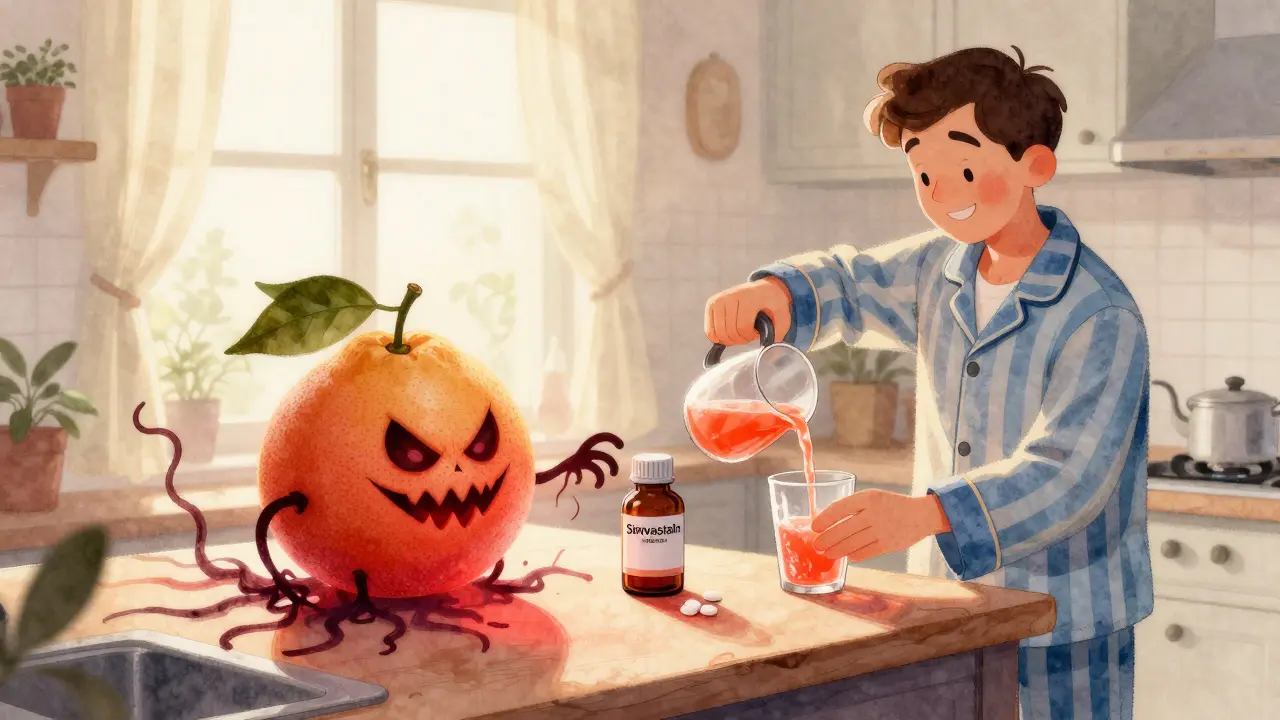
Grapefruit and Statins: What You Need to Know About Dangerous Interactions
Grapefruit can dangerously increase statin levels in your blood, raising the risk of muscle damage and kidney failure. Learn which statins are affected, what symptoms to watch for, and safer alternatives.
How to Check Drug Coverage Tiers and Formulary Changes for Senior Medications
Learn how to check your Medicare Part D drug coverage tiers and spot formulary changes before they raise your costs. Essential guide for seniors managing prescription medications.
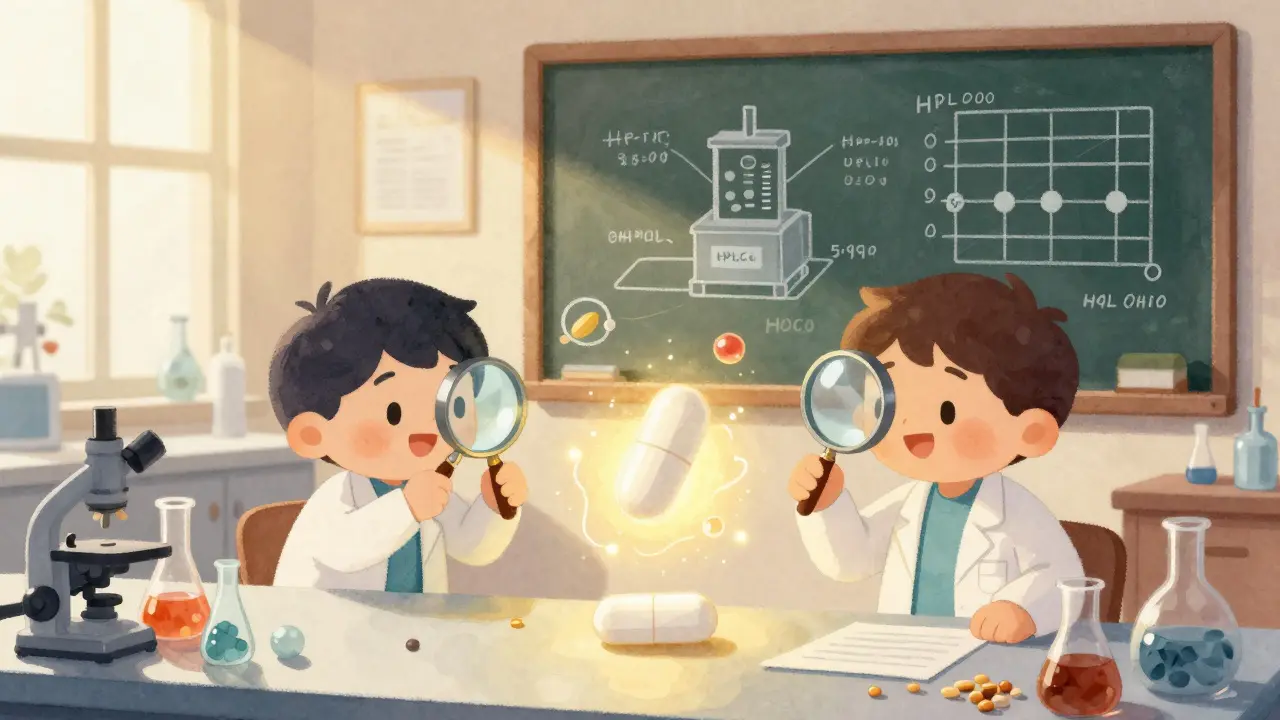
How Generic Drugs Are Made: The Full Manufacturing Process Explained
Generic drugs make up 90% of U.S. prescriptions and save billions annually. Learn how they're made, from reverse engineering the original to strict FDA testing - and why they're just as safe and effective as brand-name drugs.

Medications Safe During Pregnancy: A Complete Patient List
Learn which medications are safe to take during pregnancy for common issues like headaches, allergies, nausea, and colds. Get clear, evidence-based guidance on OTC and prescription drugs, what to avoid, and how to use them safely.
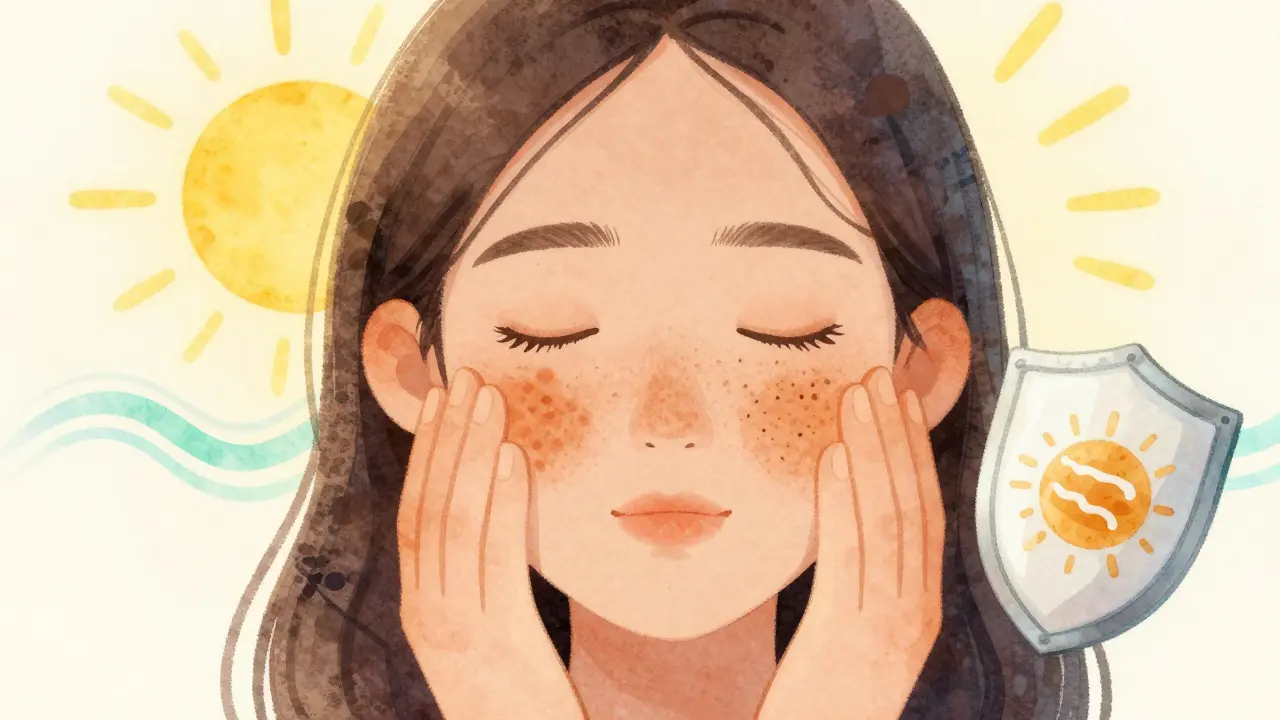
Hyperpigmentation: Understanding Melasma, Sun Damage, and Effective Topical Treatments
Learn the difference between melasma and sun damage, why most treatments fail, and which topical agents actually work based on current dermatology research and clinical guidelines.

Orange Book Database: FDA's Approved Drug Products With Therapeutic Equivalence Ratings
The FDA's Orange Book is the official database of approved drug products with therapeutic equivalence ratings, enabling generic drug competition and saving billions in healthcare costs through transparent patent and exclusivity data.