Category: Medical Information - Page 3

How to Coordinate Medication Plans After Hospital Discharge: A Step-by-Step Guide
After hospital discharge, coordinating medications prevents errors and readmissions. This guide explains step-by-step how to manage meds, work with doctors and pharmacists, and avoid common mistakes. Learn why pharmacist involvement cuts errors by 32% and how to use simple tools for safety.
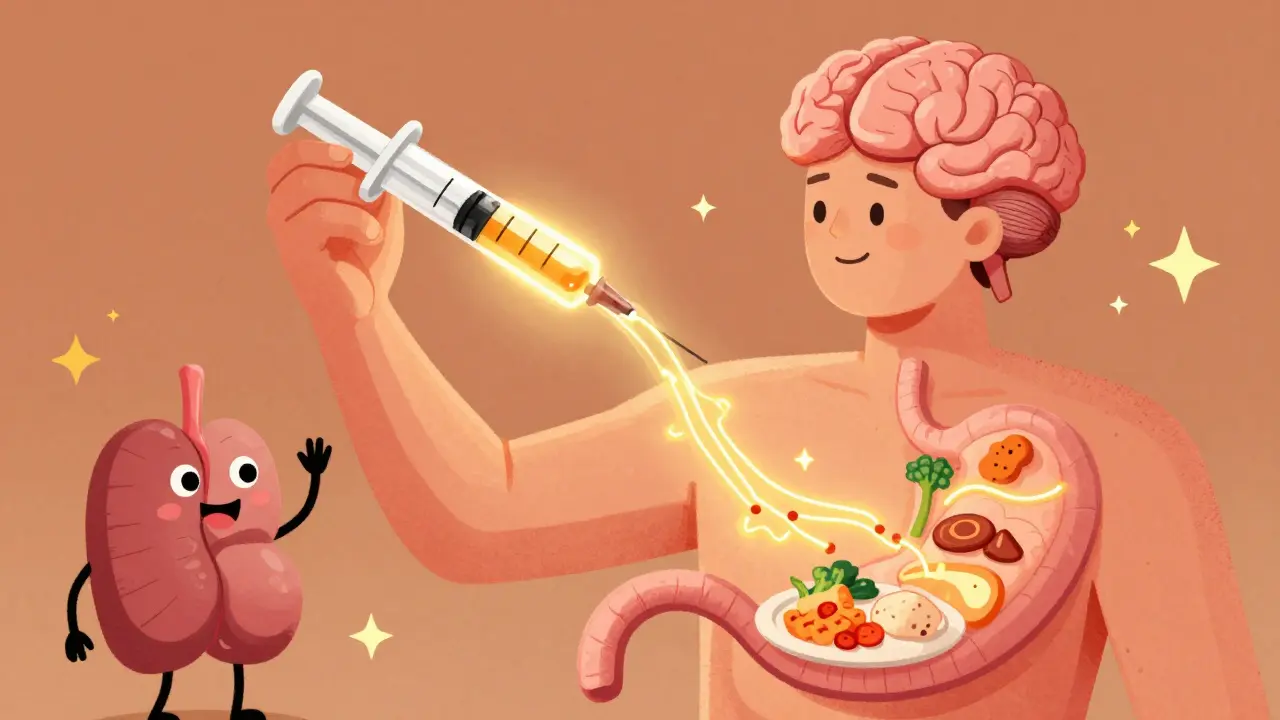
GLP-1 Receptor Agonists: How They Help You Lose Weight and Lower A1C
GLP-1 receptor agonists like Ozempic and Wegovy help lower A1C and cause significant weight loss by slowing digestion, reducing appetite, and improving insulin control. Learn how they work, who they're for, and what to expect.
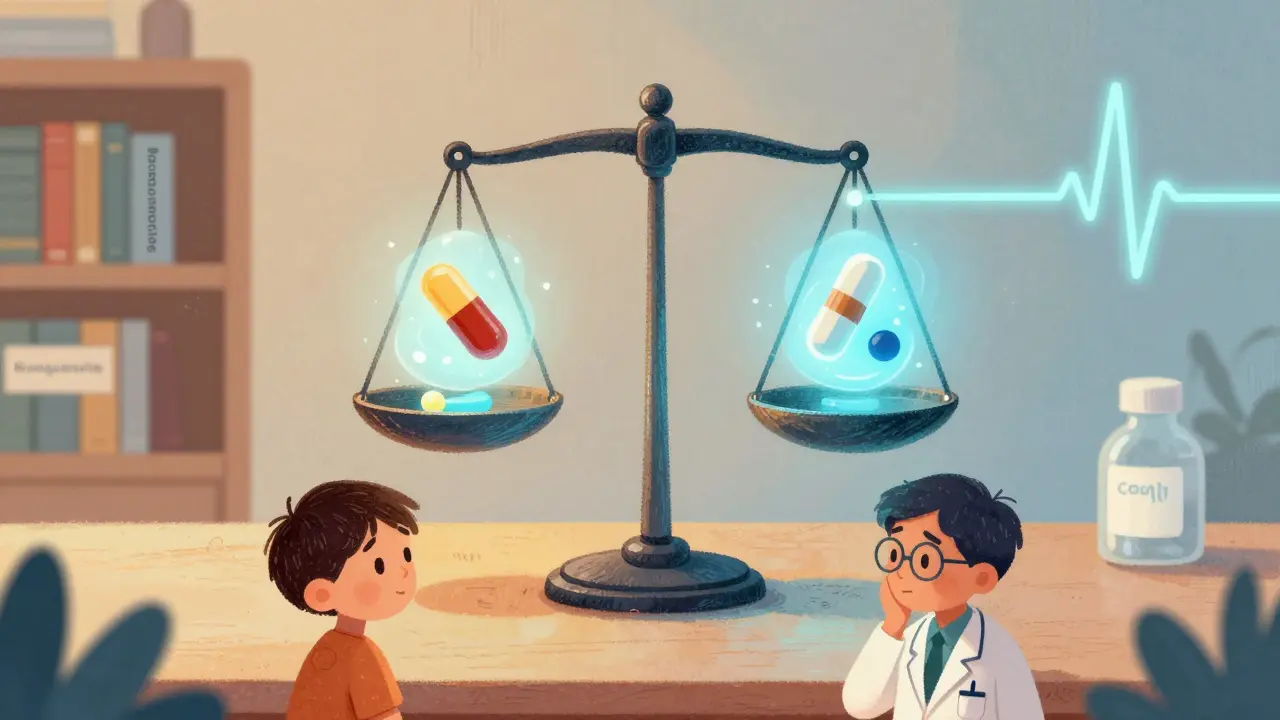
Cancer Medication Combinations: Bioequivalence Challenges for Generics
Cancer medication combinations pose unique bioequivalence challenges for generics. Small changes in drug absorption can affect safety and efficacy. Learn how regulators, hospitals, and manufacturers are adapting to ensure affordable cancer care without compromising outcomes.
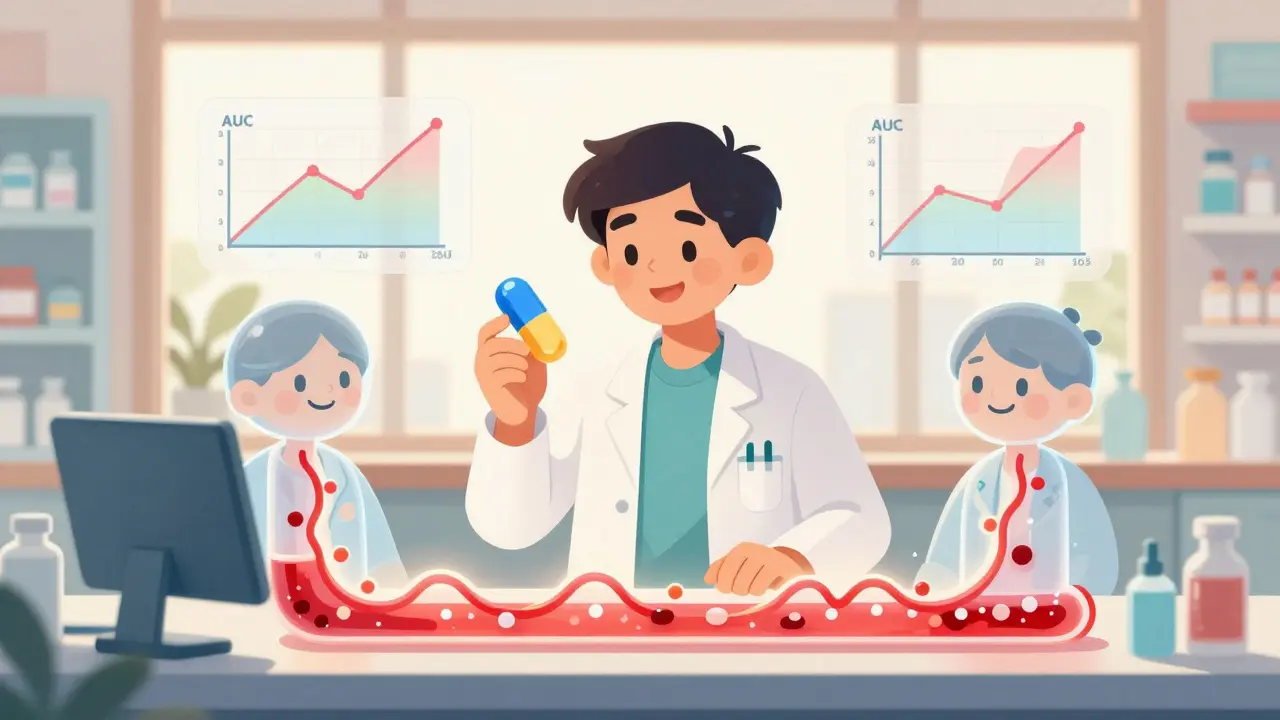
Bioequivalence Studies: What the FDA Requires Manufacturers to Prove
The FDA requires generic drug manufacturers to prove bioequivalence through rigorous human studies showing their product absorbs at the same rate and extent as the brand-name drug. This ensures safety and effectiveness.

How to Use Compounded Medications for Children Safely
Compounded medications can be lifesaving for children who can't take standard drugs, but they carry serious risks. Learn how to verify safety, check doses, spot contamination, and avoid dangerous errors when using custom-formulated pediatric medicines.
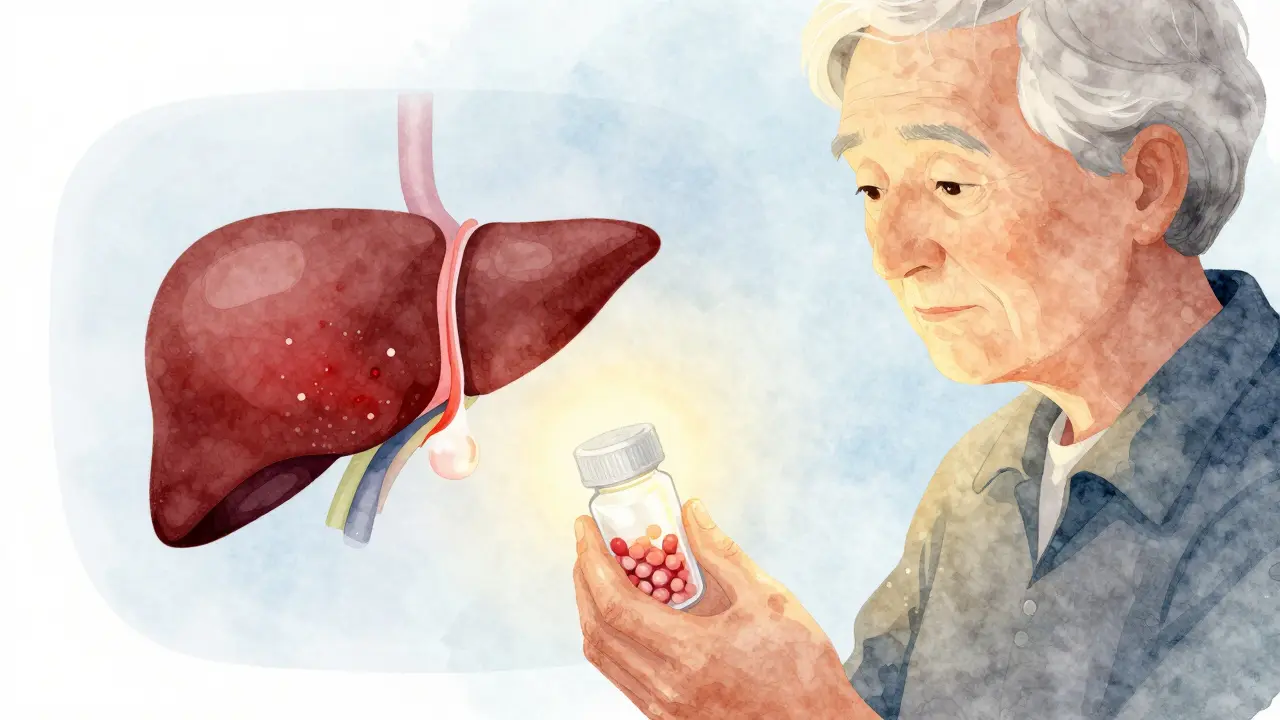
How Liver and Kidney Changes in Older Adults Affect Drug Metabolism
As we age, liver and kidney function decline, changing how drugs are processed. This can turn standard doses into dangerous ones. Learn how these changes affect common medications and what you can do to stay safe.
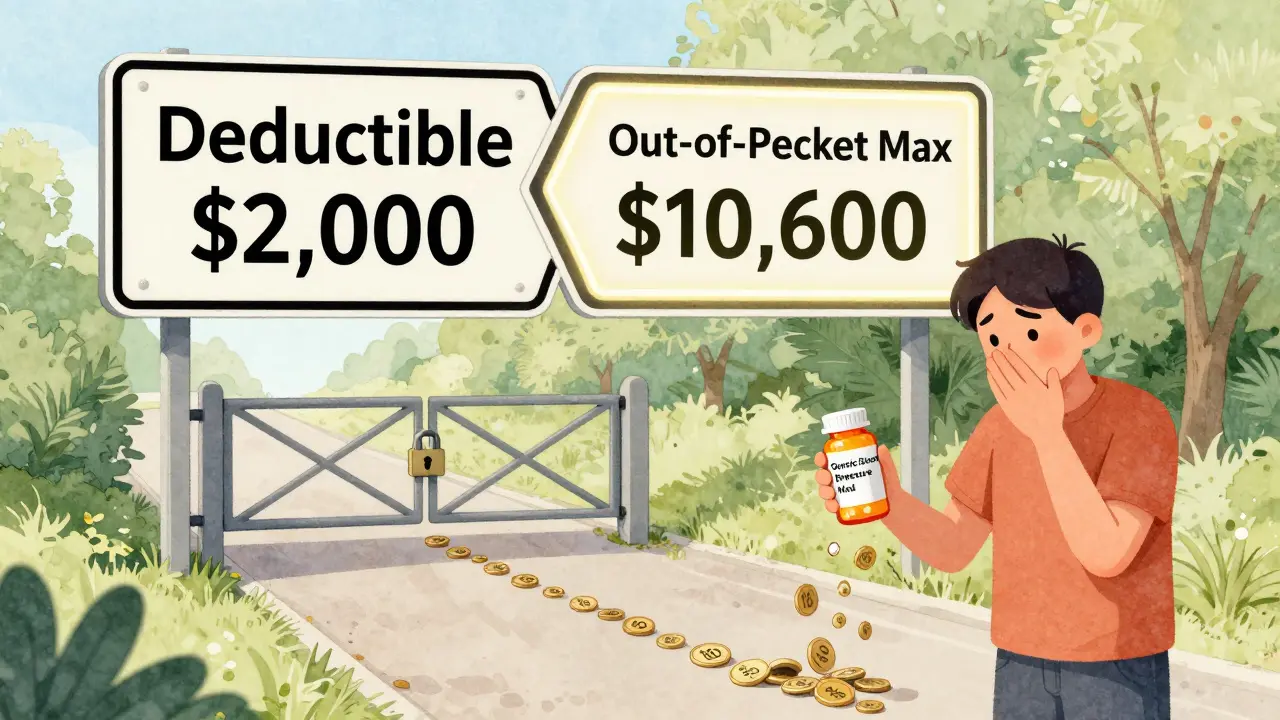
Out-of-Pocket Maximums: How Generic Copays Count Toward Deductibles in Health Insurance
Generic prescription copays don't count toward your deductible, but they do count toward your out-of-pocket maximum. Learn how this works, why it matters, and how to track your costs to avoid surprises.
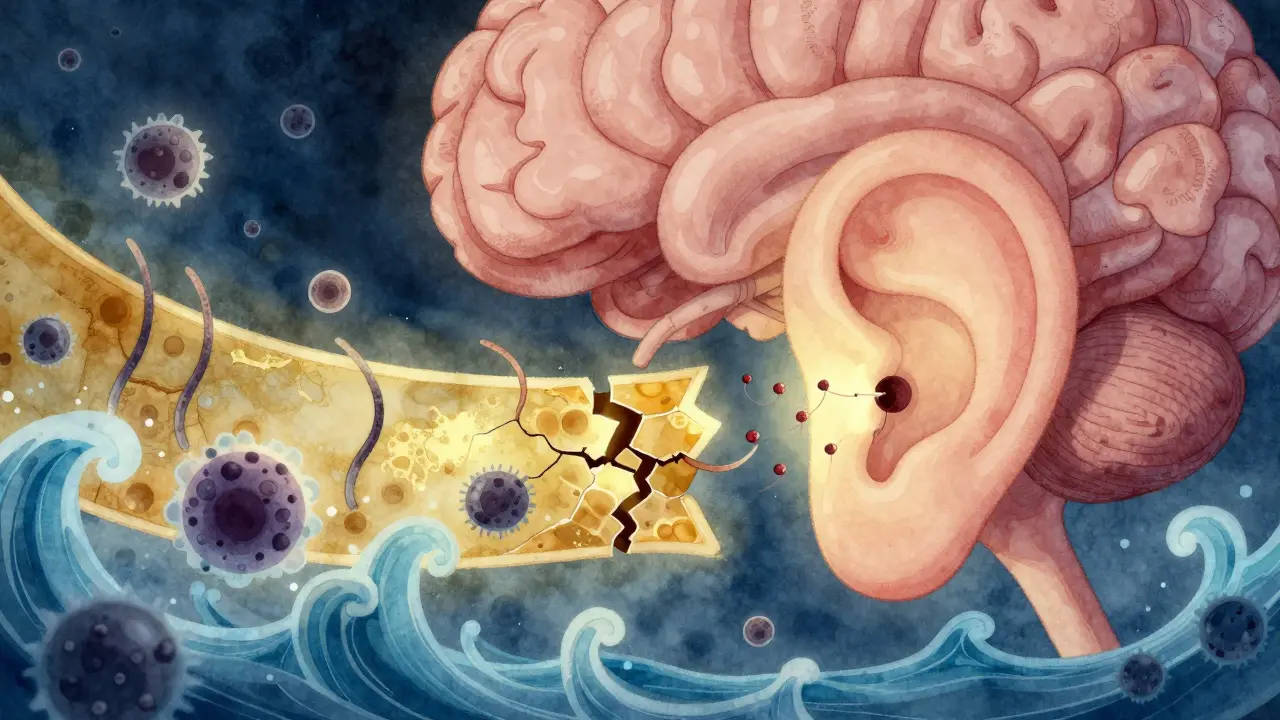
Aminoglycoside Ototoxicity: How These Antibiotics Cause Permanent Hearing and Balance Damage
Aminoglycoside antibiotics can cause permanent hearing loss and balance problems in 20-47% of patients. Learn how these drugs damage the inner ear, who’s at highest risk, and what’s being done to prevent it.

Opioids and Benzodiazepines: Why Combining Them Can Stop Your Breathing
Combining opioids and benzodiazepines can dangerously slow or stop breathing, leading to overdose and death. Learn why this interaction is so risky, who’s most vulnerable, and what to do if you’re taking both.

Where to Find Detailed Side Effect Information for Your Medications
Learn where to find accurate, up-to-date side effect information for your medications using FDA-approved sources like FDALabel, MedlinePlus, OnSIDES, and VigiAccess-plus what to avoid.
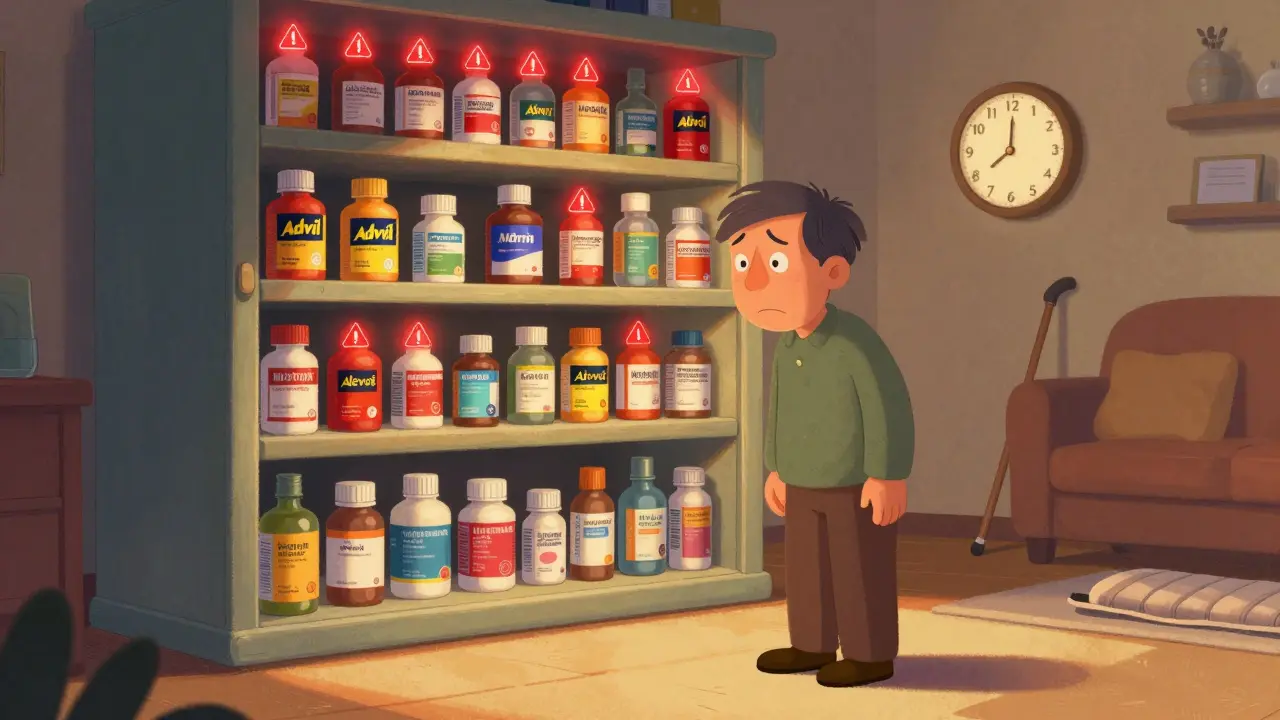
NSAID Safety: Ibuprofen and Naproxen Over-the-Counter Guidance
Ibuprofen and naproxen are common OTC pain relievers, but they carry serious risks including heart attack, stomach bleeding, and kidney damage. Learn safe dosing, who should avoid them, and safer alternatives.

Viral Warts: HPV Infection and How to Remove Them Effectively
Viral warts are caused by HPV and can be treated effectively with salicylic acid, cryotherapy, or immunotherapy. Learn which options work best for different types of warts and how to prevent them from spreading.